Roughly 75% of recreational runners arrive at the start line already mildly dehydrated, according to data from the British Journal of Sports Medicine. That single fact explains more DNFs, cramps, and post-race headaches than almost any other variable in endurance sport. If you have ever bonked at mile 20, seized up on a track interval session, or felt inexplicably flat on a long Sunday run, electrolyte imbalance is almost certainly part of the explanation. This running hydration guide UK runners will actually use walks you through the science and the practical application, from a 5K to a full marathon, without the generic advice that fills most sports nutrition blogs.
Key Insight |
Explanation |
|---|---|
Sodium is your primary electrolyte loss during running |
Sweat contains roughly 900mg of sodium per litre. Replacing fluid without replacing sodium causes hyponatraemia, which is far more dangerous than mild dehydration. |
Plain water is insufficient for runs over 60 minutes |
Beyond one hour, the body needs sodium, potassium, and magnesium to maintain muscle contraction and fluid balance. Water alone dilutes blood sodium levels. |
Your sweat rate is individual, not universal |
Elite runners can lose 2.5 litres per hour in warm conditions. Recreational runners typically lose 0.5 to 1.5 litres per hour. Using averages without testing your own rate leads to systematic under or over-hydration. |
Pre-loading electrolytes matters as much as in-race intake |
Drinking an electrolyte solution 60 to 90 minutes before a long run establishes plasma volume, reducing early cardiac drift and perceived effort. |
Sugar-free electrolyte formulas suit most training runs |
For steady-state aerobic runs, added sugar in hydration drinks adds unnecessary calories and can cause gastric distress. No-added-sugar electrolyte blends hydrate without the gut disruption. |
Marathon hydration strategy must be rehearsed in training |
Race-day is not the time to experiment. Every gel, drink, and timing interval needs to be tested at race pace in training to avoid GI issues. |
Post-run electrolyte recovery accelerates adaptation |
Replenishing sodium, potassium, and magnesium within 30 minutes of finishing supports glycogen resynthesis, reduces DOMS, and restores muscle function faster than carbohydrate alone. |
Electrolytes are minerals that carry an electrical charge when dissolved in fluid. Sodium, potassium, magnesium, calcium, and chloride are the key players for runners. They regulate fluid distribution between cells, drive muscle contraction, and maintain nerve signal transmission. When you run, you lose all of them through sweat, and the ratio in which you lose them matters enormously.
Sodium is the dominant electrolyte in sweat and the one most responsible for catastrophic hydration failures in endurance sport. Drinking large volumes of plain water over a long race without replacing sodium actively dilutes blood plasma sodium concentration. The resulting condition, exercise-associated hyponatraemia, causes confusion, nausea, and in severe cases, cerebral oedema. This is not a fringe risk. A 2002 study published in the New England Journal of Medicine found that 13% of Boston Marathon finishers had hyponatraemia.
Potassium regulates intracellular fluid and supports sustained muscle contraction. Magnesium plays a direct role in ATP production, the energy currency of aerobic exercise. When magnesium drops, so does your capacity to sustain pace, and cramping risk rises sharply. A well-formulated electrolyte product addresses all three, not just sodium.
Pro tip: If you finish a run and crave salty food intensely, that is a reliable signal that your sodium deficit is significant. Track this pattern over several weeks. It will tell you more about your personal sweat rate than a generic formula ever will.


The standard advice to "drink to thirst" is reasonable for short, easy runs but dangerously vague for anything over 90 minutes at race intensity. In practice, thirst is a lagging indicator. By the time you feel thirsty during high-intensity running, you are already 1 to 2% dehydrated, which is enough to measurably reduce aerobic performance.
Weigh yourself naked before and after a one-hour run at your target race pace, without drinking during that run. Every 1kg of body weight lost equals approximately 1 litre of fluid lost. A runner who weighs 1.2kg less after an hour is losing 1.2 litres per hour. That is your baseline sweat rate under those specific conditions (temperature, humidity, intensity). Adjust upward by 15 to 20% for summer racing conditions in the UK.
This measurement is worth doing at least once in cool conditions and once in warm conditions. The data consistently shows that sweat rate variation between individuals of similar fitness levels can be three to four times different. A 70kg recreational runner and a 70kg club athlete can have completely different hydration needs during the same race.
Beyond volume, sweat sodium concentration varies by individual, ranging from roughly 200mg per litre in low-salt sweaters to over 1,500mg per litre in high-salt sweaters. Salty white residue on your skin or kit after a run is a practical indicator that you are a high-salt sweater. If that describes you, standard hydration advice will chronically under-replace your sodium needs, and you will likely cramp and fatigue earlier than your fitness level suggests you should.
Not every run demands the same hydration protocol. Applying marathon-level supplementation to a Tuesday 5K is unnecessary. Applying 5K thinking to a marathon will end your race before Tower Bridge.
For distances under 10K at moderate intensity, mid-run hydration is rarely necessary for most runners. The priority is pre-run and post-run. Arrive well-hydrated (urine should be pale yellow, not clear) and replace electrolytes within 30 minutes of finishing. A no-added-sugar electrolyte drink after a 5K or 10K is more useful than anything consumed during the race itself.
The exception is racing in heat. If air temperature is above 20 degrees Celsius and the race takes you over 40 minutes, take fluids at the single water station and consider a small electrolyte product before the start.
At the half marathon distance, run at threshold or above, most runners will be on course for 90 minutes to 2.5 hours. That range is precisely where hyponatraemia risk begins and where electrolyte depletion starts to limit performance. A sensible half marathon hydration strategy looks like this: electrolyte drink or tablet 60 minutes before the start, water or low-calorie electrolyte drink at every station from mile 3 onward, and a full electrolyte recovery drink within 20 minutes of finishing.
Pro tip: Carry a small electrolyte tablet in your race shorts pocket for half marathons. If you hit a wall between miles 9 and 11 and water alone is not helping, dissolving an electrolyte tablet in your next cup of water can pull you out of the slump within 10 to 15 minutes.
At 26.2 miles, your marathon hydration strategy is not a peripheral detail. It is a primary performance variable. The data consistently shows that even 2% dehydration reduces endurance performance by 10 to 20%. At marathon pace, that can cost you 15 to 25 minutes.
The framework that works: pre-load with an electrolyte drink the night before and the morning of the race, consume electrolytes every 45 to 60 minutes during the race (either via drink or tablet), and match that with consistent small sips of water rather than large gulps at stations. Large volumes consumed quickly during running increase gastric distress risk significantly.

Timing your electrolyte intake poorly negates even a well-formulated product. The body does not absorb sodium and potassium instantaneously. There is a 15 to 20-minute lag between ingestion and meaningful plasma absorption during exercise, which means reactive supplementation (taking electrolytes only when you start cramping) is already too late.
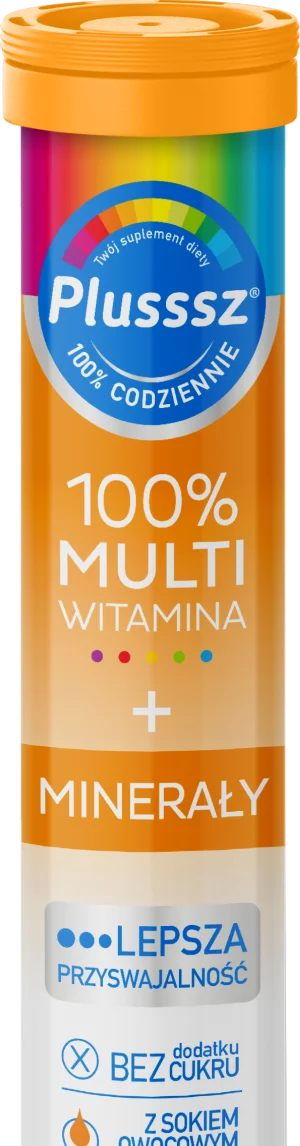
Sixty to ninety minutes before a long run or race, consume an electrolyte drink containing a minimum of 400mg of sodium. This pre-loading window is when the body can best absorb and retain sodium before exercise begins increasing sweat output. The Plusssz electrolyte formulations are designed for exactly this use case, with no added sugar to avoid the insulin spike that can reduce fat oxidation at the start of a long aerobic effort.
Set a timer rather than relying on thirst. Every 45 minutes during a run, take an electrolyte supplement. For runs under two hours, a single mid-run dose is usually sufficient. For runs between two and four hours, two to three doses at regular intervals maintain plasma sodium more effectively than irregular intake driven by perceived thirst or cramp onset.
The 30-minute post-run window is the highest-priority electrolyte intake moment outside of the pre-race period. Sodium intake post-run stimulates thirst, encouraging fluid retention rather than rapid urinary loss. Pair an electrolyte drink with a small amount of carbohydrate and protein to maximise glycogen resynthesis and muscle repair simultaneously.
"Replacing fluid alone after endurance exercise is insufficient. Sodium must accompany rehydration to restore plasma volume and support genuine physiological recovery." Dr. Susan Shirreffs, leading hydration researcher at the University of Stirling.
Runners in the UK have several product-category options when building their electrolyte strategy. The choice between them should depend on run duration, intensity, and individual sodium loss rate, not on marketing claims.
Approach |
Best Use Case |
Key Limitation |
|---|---|---|
Electrolyte Tablets or Dissolvable Powders (e.g., Plusssz electrolyte blend) |
All run distances over 60 minutes. Portable, dose-controllable, no-added-sugar options available. Ideal for precise sodium and potassium targeting without excess calories. |
Requires water to dissolve or chase. Cannot be taken completely dry mid-race without a water station nearby. |
High-Sugar Sports Drinks (standard isotonic market products) |
High-intensity efforts over 75 minutes where carbohydrate and electrolytes are needed simultaneously. Can support glycogen maintenance in late-race miles. |
Significant sugar load causes GI distress in a meaningful percentage of runners. Not suitable for easy training runs where fat oxidation is the training goal. Excess calories for short efforts. |
Plain Water with Food-Based Electrolytes (bananas, salty snacks) |
Casual runners doing under 90 minutes in cool UK conditions. Ultra-distance runners with long sections between aid stations who can eat solid food comfortably. |
Highly imprecise sodium dosing. Difficult to carry meaningfully during road racing. Absorption is slower than liquid electrolytes. Does not address in-run plasma sodium management effectively. |
The data consistently shows that dissolvable electrolyte products with controlled sodium concentrations outperform plain water and rival high-sugar drinks for performance in runs lasting 60 to 180 minutes, without the caloric and gastric downside of the sugar-heavy alternatives.
Running in the UK presents specific hydration challenges that many imported hydration guides do not account for. The assumption in most US-centric advice is consistent heat. UK running reality is different and requires adjusted thinking.
A common mistake is assuming that because it is 8 degrees and raining in Manchester in October, sweat rate is negligible. Respiratory water loss increases significantly in cold air. Wearing multiple layers elevates core temperature and sweat output even when ambient conditions feel cool. UK runners consistently underestimate their fluid losses in autumn and winter conditions. A marathon in October at 10 degrees Celsius still requires a full electrolyte strategy.
The 2023 London Marathon was run in conditions reaching 19 degrees Celsius in the city. In the same year, a September half marathon in Edinburgh saw temperatures of 14 degrees. Both races required meaningfully different electrolyte volumes. Always check the forecast 48 hours before a race and adjust your sodium pre-loading upward by at least 20% if temperatures are expected above 18 degrees.
UK tap water quality is generally high and safe to use for mixing electrolyte drinks, but the mineral content varies significantly by region. Hard water areas (most of the south and east of England) have higher calcium and magnesium content, which marginally supplements your electrolyte intake. Soft water regions (Scotland, Wales, the north-west) have lower mineral content, making electrolyte supplementation slightly more important baseline.
After analysing the pattern of errors that show up repeatedly in endurance running, a few stand out as both extremely common and surprisingly easy to fix.
The first is drinking to schedule without adjusting for conditions. Many club runners follow a fixed "200ml every 20 minutes" rule regardless of temperature, intensity, or individual sweat rate. On a hot day at race pace, that protocol is insufficient. On a cool easy long run, it may cause you to drink more than necessary, diluting plasma sodium.
The second is relying on caffeinated gels as a hydration solution. Caffeine is a mild diuretic. Using caffeine gels as your only mid-race fuel source without adequate electrolyte intake alongside them actively works against fluid retention. Gels are a carbohydrate tool, not a hydration tool.
The third is ignoring the day-before window. Pre-hydration is not just a morning-of consideration. Runners who arrive at a race already carrying a 24-hour hydration deficit from poor daily fluid intake and high-sodium restaurant meals the night before start the race behind. Drink an electrolyte solution the evening before any race over 10K. This is not widely discussed in mainstream running advice but makes a measurable difference to starting-line plasma volume.
Pro tip: Weigh yourself before bed the night before a race and again first thing in the morning. If you have lost more than 1kg overnight, you started the night dehydrated. Consume 500ml of an electrolyte drink immediately and another 500ml two hours before the start.
Sodium is the highest priority, with a target of 500 to 1,000mg per hour during a marathon depending on your individual sweat rate and conditions. Potassium and magnesium should be present in any quality electrolyte formulation. Calcium matters but is typically less depleted during a single race effort and is adequately covered by dietary intake for most runners.
Yes. Excessive sodium intake without adequate fluid can cause hypernatraemia, though this is far less common in runners than hyponatraemia. Follow product dosing guidance, drink water alongside electrolyte tablets, and avoid stacking multiple high-sodium products simultaneously without adjusting your fluid intake accordingly.
For hydration purposes, yes. For combined carbohydrate-plus-hydration needs during very high-intensity efforts over 90 minutes, a sugary isotonic drink or separate carbohydrate source alongside an electrolyte product is appropriate. The important distinction is that hydration and carbohydrate fuelling are separate needs. Conflating them by using only a high-sugar drink means you are likely getting inadequate electrolytes or excess sugar depending on how much you drink.
Practical indicators include white residue on skin or kit after running, intense salt cravings post-run, muscle cramping despite adequate training, and feeling disproportionately fatigued in the final miles of long efforts. If three or more of these describe you, increase your sodium target by 30 to 50% above standard guidance and consider adding an electrolyte drink the evening before long runs rather than only on race morning.
Start 60 to 90 minutes before the race with an electrolyte drink containing at least 400mg of sodium. Take your first in-race electrolyte at mile 4 to 5, and a second dose around mile 9 to 10. Consume a recovery electrolyte drink within 20 minutes of crossing the finish line. If you are racing in above-average heat, add a second in-race dose at mile 7 and increase your pre-race sodium intake to 600mg.
One to two cups of habitual coffee before a run does not meaningfully increase dehydration risk in regular coffee drinkers. The diuretic effect of caffeine is significantly blunted in people who consume it regularly. The issue arises when runners drink several espressos immediately before a race, skip fluid intake alongside them, and race in heat. The caffeine itself is rarely the problem. The displaced plain fluid intake is.
If you have found a hydration approach that works for your running, or you have struggled with cramping and electrolyte issues during races, share your experience in the comments below. Specific, real-world accounts from UK runners are genuinely more useful to this community than any generic formula.