Most people eating a reasonably varied diet still fall short on key micronutrients. A 2022 National Diet and Nutrition Survey found that a significant proportion of UK adults have low intakes of magnesium, vitamin D, and iodine regardless of how carefully they think they eat. The gap between what a balanced diet and supplements together can achieve versus food alone is measurable, not theoretical. This guide draws on expert consensus and real-world practice to show exactly where supplements fit, which ones actually matter, and how active individuals can build a nutrition strategy that performs.
Key Insight |
Explanation |
|---|---|
Food first, supplements second |
Whole foods deliver fibre, phytonutrients, and co-factors that isolated supplements cannot replicate. Build your diet before adding pills. |
Vitamin D is a near-universal gap in the UK |
UK sunlight between October and March is insufficient for skin synthesis. The NHS recommends 10 micrograms daily for most adults, especially active ones. |
Electrolytes matter as much as hydration volume |
Drinking water without replenishing sodium, potassium, and magnesium impairs muscle function and endurance performance measurably. |
No-added-sugar formulations are clinically relevant |
Sugar in hydration products spikes insulin and can blunt fat oxidation during aerobic exercise. Clean electrolyte blends avoid this problem entirely. |
Multivitamin quality varies enormously |
Form matters more than dose. Magnesium glycinate absorbs better than magnesium oxide. Methylated B12 outperforms cyanocobalamin for many adults. |
Demographic context changes everything |
Iron needs differ between pre-menopausal women and male endurance athletes. Senior formulas should prioritise vitamin K2 and B12 absorption differently from sports formulas. |
Timing affects efficacy |
Fat-soluble vitamins (A, D, E, K) absorb better with a meal containing dietary fat. Electrolytes taken before and during exercise outperform post-workout supplementation. |
Every registered dietitian will tell you to prioritise whole foods, and they are right to do so. The problem is that this advice is often used as a reason to avoid ever examining whether specific nutrient gaps exist. In practice, food-first thinking and strategic supplementation are not competing philosophies. They are two layers of the same evidence-based approach.
The UK Biobank data, covering over 500,000 participants, consistently shows that even individuals with high diet quality scores often fall below reference nutrient intakes for selenium, iodine, and vitamin D. These are not fringe minerals. They are directly involved in thyroid function, immune response, and bone metabolism. A person eating well but ignoring these gaps is still leaving performance and health on the table.
The practical takeaway is that supplementation should be diagnostic, not aspirational. Identify what your diet is actually missing before buying anything. For most active UK adults training three or more times per week, the gaps are predictable: vitamin D, magnesium, and electrolytes lost through sweat.
A balanced diet is not a perfect plate. It is a pattern of eating across days and weeks that consistently delivers adequate macronutrients and micronutrients relative to your activity level. The Eatwell Guide published by Public Health England provides a useful baseline, but it was designed for sedentary reference populations, not athletes or even moderately active people.
Active adults training for sport or general fitness need 1.4 to 2.0 grams of protein per kilogram of body weight daily according to the British Dietetic Association. Carbohydrate needs scale with training intensity, not body weight. A person running 40 kilometres per week needs meaningfully more carbohydrate than someone doing three gym sessions, even if their weight is identical.
Fat intake is frequently under-discussed. Dietary fat is the carrier for vitamins A, D, E, and K. A low-fat diet can create deficiencies in these nutrients even when supplementing, because absorption depends on fat co-ingestion. This is why supplement timing with meals is not optional advice. It is biochemistry.
Micronutrient density is the ratio of vitamins and minerals per calorie of food consumed. Leafy greens score extremely high. Processed snacks score extremely low. Active individuals who eat more to fuel training often assume their micronutrient intake scales up proportionally. It does not unless the additional calories come from nutrient-dense sources.
A common mistake is adding protein shakes and energy bars to a diet that is already short on vegetables, assuming total calorie sufficiency equals nutritional sufficiency. Caloric adequacy and micronutrient adequacy are separate metrics that require separate attention.
Pro tip: Track your micronutrient intake for just one week using a free tool like Cronometer. Most active adults are surprised to discover they are regularly under 70% of reference intake for magnesium, potassium, or zinc regardless of how varied they think their diet is.
There are four categories where supplementation consistently closes measurable gaps for active UK adults. These are not theoretical benefits. They are supported by repeated clinical observation and population-level data.
The UK receives insufficient UVB radiation for skin synthesis of vitamin D from October through March. The NHS explicitly recommends that all UK adults consider supplementing 10 micrograms (400 IU) daily during this period. For athletes training indoors or at early morning and evening hours, this recommendation applies year-round.
Vitamin D deficiency correlates with reduced muscle strength, impaired immune function, and elevated injury risk in athletic populations. A 2017 meta-analysis published in the British Journal of Sports Medicine found that athletes with sufficient vitamin D levels had significantly lower rates of stress fracture and upper respiratory infection. These are not marginal effects.
Magnesium is involved in over 300 enzymatic reactions including ATP production, muscle contraction, and protein synthesis. The UK National Diet and Nutrition Survey consistently finds that 11% of men and 14% of women aged 19 to 64 have intakes below the lower reference nutrient intake. In athletes, sweat losses compound dietary shortfalls significantly.
Magnesium glycinate and magnesium citrate are the clinically preferred forms for absorption. Magnesium oxide, which appears in many cheap multivitamins, has approximately 4% bioavailability by some estimates. Form selection is not a marketing distinction. It changes the actual amount your body receives.
B vitamins do not create energy directly. They act as co-enzymes in the metabolic pathways that extract energy from food. B12, B6, and folate are the most commonly deficient among active adults eating low-diversity diets. Vegans and vegetarians face additional risk with B12 because plant foods contain negligible amounts of bioavailable cobalamin.
Pro tip: Look for multivitamin formulas that use methylcobalamin for B12 rather than cyanocobalamin. Methylcobalamin is the active form and requires no hepatic conversion, making it a better choice for daily supplementation especially in individuals over 50 whose gastric acid production may have declined.
Hydration is not just about water volume. Drinking two litres of plain water before a 10K run does not adequately prepare the body if sodium, potassium, and magnesium are depleted from previous sessions. Hyponatremia, a dangerously low blood sodium level, is more common in endurance athletes than most people realise and is caused specifically by high water intake without corresponding electrolyte replacement.
The data consistently shows that even mild dehydration of 2% body weight reduces cognitive function and physical endurance by measurable amounts. But the form of hydration matters as much as the volume. Electrolyte drinks with no added sugar allow the body to absorb and retain fluid more efficiently than plain water, without the insulin spike associated with sugar-laden sports drinks.
Sodium regulates fluid balance across cell membranes and is the primary electrolyte lost in sweat. Potassium supports muscle contraction and electrical signalling in cardiac and skeletal muscle. Magnesium is essential for preventing muscle cramps and regulating nerve function during sustained exercise.
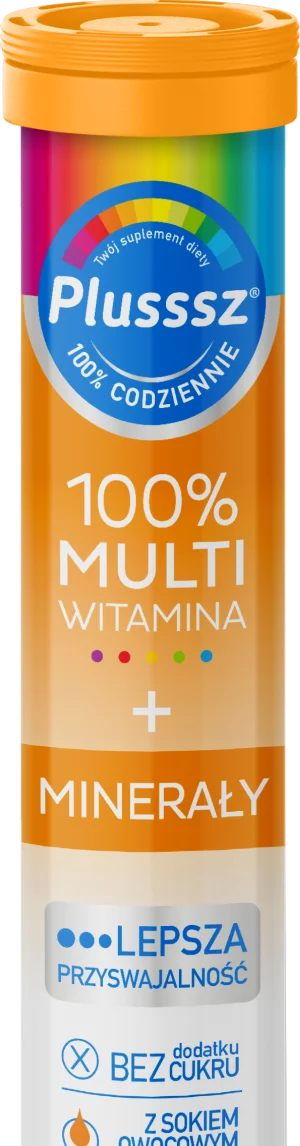
For Plusssz users training multiple times per week, the practical protocol is straightforward. Use an electrolyte hydration product before and during training sessions exceeding 45 minutes. Use it after sessions involving significant sweat losses, particularly in warm conditions or during high-intensity intervals where sweat rate is elevated.
Traditional sports drinks contain 6 to 8 grams of sugar per 100ml, primarily to mask the taste of electrolytes and provide quick-release carbohydrate. For athletes needing rapid glycogen replacement during multi-hour endurance events, this has merit. For most training sessions under 90 minutes, it is unnecessary and potentially counterproductive for body composition goals.
Clean electrolyte blends without added sugar provide the same osmotic and electrolyte benefits without the caloric load or the blood glucose response. This is relevant not just for weight management but for metabolic flexibility during aerobic training, where fat oxidation is the primary fuel source and remains so when insulin levels stay stable.
Not every supplement strategy is equally suited to active individuals. The three most common approaches each have specific strengths and weaknesses that become clear when compared directly.
Approach |
What It Gets Right |
Where It Falls Short |
|---|---|---|
Generic supermarket multivitamin |
Convenient, low cost, covers broad micronutrient bases at basic levels |
Often uses poorly absorbed forms (oxide, cyanocobalamin), underdoses key minerals, lacks electrolyte support, and ignores demographic-specific needs |
Single-ingredient targeted supplementation |
Allows precise dosing of specific deficiencies, useful when blood tests identify a clear shortfall such as vitamin D or iron |
Requires regular testing to stay calibrated, expensive when multiple nutrients are needed, and misses the synergistic benefit of combined mineral formulas |
Specialised active lifestyle formulas (e.g. Plusssz UK electrolyte and multivitamin blends) |
Formulated for the specific demands of active adults, no added sugar, uses bioavailable nutrient forms, covers electrolytes and vitamins together, demographic variants available |
Higher unit cost than generic multivitamins, requires understanding of your own training load to select the right product variant |
The case for specialised active lifestyle formulas is straightforward: generic products were not designed with training physiology in mind. A supplement designed for a sedentary reference population will systematically under-deliver on the nutrients most depleted by regular exercise, particularly electrolytes and B vitamins involved in energy metabolism.
"Micronutrient requirements increase with exercise intensity and duration. Athletes and highly active individuals have significantly higher needs for several vitamins and minerals compared to sedentary populations, and dietary intake alone frequently fails to meet these elevated demands." - Professor Ron Maughan, sports nutrition researcher and former chair of the IOC Medical Commission's nutrition working group
UK supplement labels are regulated under the Food Supplements Regulations 2003, which means they must list nutrient amounts per serving and the percentage of Nutrient Reference Value (NRV) these represent. The NRV is the EU-derived daily reference standard. It is not the same as optimal intake for an active person. It is the minimum needed to prevent deficiency in a standard sedentary adult.
The most important thing to check is not the headline dose but the specific chemical form of each nutrient. The table below summarises the key comparisons. Magnesium oxide at 400mg delivers far less magnesium to your cells than magnesium glycinate at 200mg simply because absorption rates differ by a factor of five or more.
Nutrient forms to look for on active-lifestyle supplement labels include magnesium glycinate or citrate, zinc picolinate or bisglycinate, vitamin K as K2 (MK-7 form), and B12 as methylcobalamin. These forms are not premium marketing language. They represent genuine differences in how much of the listed dose your body actually uses.
A supplement requiring five capsules per day will not be taken consistently by most people. Realistic compliance is the single biggest predictor of whether a supplement works in practice. Products with one or two servings per day in a format that integrates naturally with existing habits, such as a single morning tablet with breakfast or an electrolyte sachet mixed with a pre-workout water bottle, will consistently outperform higher-dose products that require disciplined multi-dose regimens.
The nutritional needs of a 28-year-old female marathon runner differ substantially from those of a 62-year-old male recreational cyclist. Both are active. Both benefit from electrolyte supplementation and a quality multivitamin. But the specific nutrients that matter most for each are not the same.
Pre-menopausal women have significantly higher iron requirements than men, 14.8mg daily versus 8.7mg according to UK DRV data. Iron deficiency without anaemia is the most common nutritional deficiency in active women and directly impairs endurance performance and cognitive function. A women-specific multivitamin formula should include iron at meaningful doses alongside vitamin C to enhance non-haem iron absorption.
Folate is a second priority for women of reproductive age, not only for pregnancy planning but because folate supports red blood cell production relevant to endurance capacity. Calcium and vitamin D together support bone density, which is particularly relevant for female athletes at risk of relative energy deficiency in sport (RED-S).
Active men, particularly those in resistance training, have elevated needs for zinc, which supports testosterone production and protein synthesis. Magnesium losses through sweat during high-intensity training are proportional to body mass, meaning larger male athletes may need supplemental doses at the higher end of recommendations. B6 and B12 play direct roles in muscle repair and are frequently depleted by high training volumes.
Nutrient assimilability declines measurably with age. Gastric acid production falls, reducing the absorption of B12, calcium, and iron. Skin synthesis of vitamin D from sunlight becomes less efficient after 65. Seniors using supplement formulas designed for younger adults are systematically under-dosing relative to their actual needs because the same dose at lower absorption efficiency delivers less to the cell.
Senior-specific multivitamin formulas should use active, pre-converted nutrient forms, higher doses of vitamin D3 and K2 for bone health, and methylated B vitamins to bypass the conversion step that becomes less reliable with age. This is not over-engineering. It is correcting for a known physiological change.
For most sedentary adults eating a genuinely varied and calorie-adequate diet, a handful of nutrients like vitamin D are still practically impossible to obtain sufficiently from UK food and sunlight alone. For active individuals with elevated sweat losses and higher metabolic demands, the gap between dietary intake and actual requirement widens further. A well-constructed diet is the foundation, but it rarely covers all requirements without targeted supplementation for key nutrients.
Start with a one-week diet log using a tracking tool that shows micronutrient data, not just calories. Identify any nutrients consistently below 80% of your reference intake. Vitamin D, magnesium, and electrolytes are the most predictable shortfalls for active UK adults. If you train intensively or have specific health goals, blood tests via your GP for vitamin D, ferritin, and B12 give you concrete data to work from rather than guesswork.
In the dose ranges found in standard supplement products, there is no meaningful risk of interaction for healthy adults. The nutrients addressed are different. A multivitamin covers vitamins and trace minerals. An electrolyte supplement addresses sodium, potassium, and magnesium at functional hydration doses. Using both in the context described on product labels is safe and complementary, not redundant or excessive.
Sugar in hydration products is often a legacy formulation decision from an era when fast-release carbohydrate was considered universally beneficial during exercise. For training sessions under 90 minutes, sugar in a hydration product serves no performance purpose for most active adults and adds unnecessary calories. For fat-adapted athletes or anyone managing body composition, it actively interferes with the metabolic state they are training to develop. No-added-sugar electrolyte formulas deliver the same hydration and mineral benefits without this trade-off.
Take fat-soluble vitamins (A, D, E, K) with your largest meal of the day, ideally one containing some dietary fat to support absorption. Water-soluble B vitamins and vitamin C can be taken at any time but are best taken in the morning to support energy metabolism throughout the day. Avoid taking calcium and iron at the same time as they compete for absorption pathways. If your multivitamin contains both, split the dose or take it away from iron-rich meals.
No, and any brand suggesting otherwise should be treated with scepticism. Supplements address specific nutrient gaps. They do not provide fibre, phytonutrients, antioxidant complexes from whole foods, or the satiety and hormonal signals that come from eating actual food. A clean diet with targeted supplementation outperforms either approach used in isolation. The goal is a nutrition strategy, not a shortcut.
The UK operates under the Food Supplements Regulations 2003, which mandate accurate label declaration and restrict permitted nutrient forms and maximum doses. The Medicines and Healthcare products Regulatory Agency (MHRA) and the Food Standards Agency (FSA) both have oversight roles. Reputable UK supplement brands with transparent ingredient sourcing and third-party testing offer additional assurance beyond the regulatory baseline. Always look for brands that publish their formulation rationale rather than hiding behind proprietary blends.
Have you found a particular approach to combining a balanced diet and supplements that has worked well for your training or lifestyle? Share your experience in the comments below.