Most people assume dehydration just means not drinking enough water. The reality is more specific: you can drink plenty of fluids and still perform poorly, cramp up, or feel mentally foggy if your electrolyte levels are off. Research published in the Journal of the International Society of Sports Nutrition confirms that even mild electrolyte imbalance can reduce physical performance by up to 10%. If you train regularly, sweat heavily, or follow a low-carb diet, recognising the signs of electrolyte deficiency early is not optional. It is the difference between a productive training week and one that feels like wading through mud.
Key Insight |
Explanation |
|---|---|
Muscle cramps are often the first signal |
Low sodium or magnesium directly disrupts nerve-to-muscle signalling, causing involuntary contractions. |
Fatigue is not always about sleep |
Potassium and sodium deficits reduce the electrical gradient cells need for energy production. |
Brain fog can be electrolyte-related |
The brain requires precise sodium and potassium balance to transmit signals efficiently. |
Heart palpitations deserve attention |
Low potassium and magnesium are clinically associated with cardiac rhythm disruptions. |
Headaches from dehydration often involve electrolytes |
Water alone will not resolve a headache caused by sodium loss through sweat. |
Active people need more electrolytes than sedentary people |
Sweat losses during exercise can exceed 1g of sodium per litre, far outpacing dietary intake. |
No-added-sugar electrolyte formulas are more useful for daily use |
Sugar-loaded sports drinks add calories without improving electrolyte replenishment for most users. |
If you are regularly waking up at 3am with a calf cramp, or finding your legs seize mid-run, the cause is almost certainly electrolyte-related rather than a training load issue. Sodium, potassium, magnesium, and calcium all work together to control how muscles contract and release. When any one of these drops significantly, the neuromuscular signalling becomes erratic.
In practice, magnesium deficiency is the most commonly overlooked culprit. The UK National Diet and Nutrition Survey has found that a notable proportion of adults fall below the recommended magnesium intake, and this gap widens among people who exercise regularly because sweat losses accelerate the deficit.
This is a common mistake: drinking more plain water when cramps strike. Flooding your system with water without replacing lost minerals can actually dilute the electrolytes already present, making the problem worse. This is called hyponatremia, or low blood sodium, and it is a real risk for endurance athletes who over-hydrate on water alone.
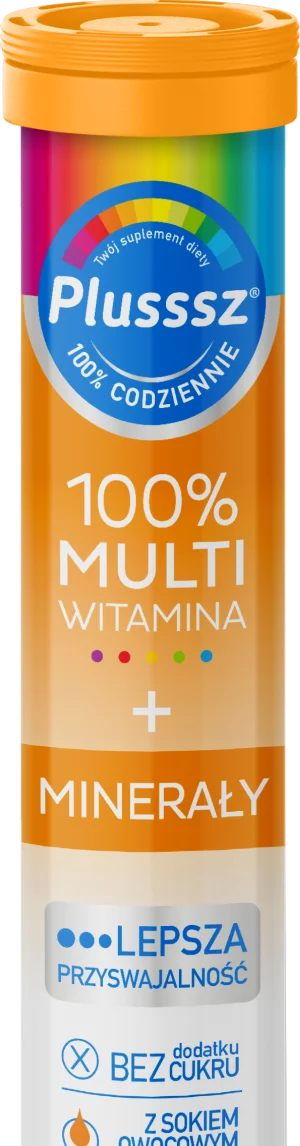
The correct approach is replacing sodium and magnesium alongside fluids. A targeted electrolyte supplement designed for active use, like those formulated by Plusssz UK with no added sugar, delivers these minerals in a format the body can use quickly without spiking blood sugar or adding unnecessary calories.


There is a specific kind of tiredness that does not improve with extra sleep. You wake up feeling drained, your legs feel heavy during warm-up, and your perceived effort during training is disproportionate to the actual intensity. This pattern is a recognised marker of low electrolytes symptoms, particularly potassium and sodium deficiency.
Sodium and potassium create the electrochemical gradient that powers every cell in your body, including muscle cells. When these gradients weaken, ATP production becomes less efficient. You are not imagining the sluggishness. Your cells are literally running on a lower charge.
General tiredness tends to respond to rest, proper sleep hygiene, and reduced training load. Electrolyte fatigue persists even after a full rest day and tends to be accompanied by one or more of the other signs listed here, including headaches, muscle weakness, or reduced grip strength.
The data consistently shows that sodium losses during moderate exercise in warm conditions can reach 2,000mg per hour. Most people are not replacing even a fraction of this through diet alone, particularly if they follow a lower-sodium or whole-food eating plan.
Pro tip: If your training performance drops noticeably during hot weather or high-humidity sessions, prioritise electrolyte replenishment during and after exercise rather than simply increasing water intake.
Electrolytes are not just a physical performance issue. The brain is one of the most electrochemically active organs in the body, and it depends on tight sodium and potassium regulation to transmit nerve signals accurately. When these balances slip, mental performance slips with them.
Brain fog in the context of electrolyte deficiency typically presents as difficulty forming sentences, slow reaction times, reduced motivation, and an inability to hold focus during tasks that would normally feel straightforward. Many people attribute this to stress or poor sleep without investigating whether low electrolytes are contributing.
For competitive athletes or anyone doing technically demanding physical activities, like cycling in traffic, playing team sports, or lifting heavy loads, cognitive clarity matters as much as physical output. A 2021 study published in Nutrients found that cognitive reaction time deteriorated measurably in participants who were even mildly dehydrated and sodium-depleted compared to those who maintained electrolyte balance.
This is one area where a quality electrolyte supplement makes a meaningful difference that goes beyond gym performance. Plusssz UK's formulations are designed with exactly this dual purpose in mind, supporting both physical and cognitive resilience in active individuals.
"Electrolyte disturbances affect neurological function at concentrations well below those that produce obvious physical symptoms. Cognitive performance is often impaired before muscle function declines significantly." -- Nutrients Journal, 2021 electrolyte and cognition review
This is the sign people take most seriously, and rightly so. Potassium and magnesium play a central role in regulating cardiac rhythm. When potassium drops below normal range, the electrical signals that coordinate heart contractions can misfire, producing the unsettling sensation of a skipped beat or a racing heart that does not match your activity level.
In practice, most healthy active people who experience occasional palpitations are not in danger, but the symptom is a clear signal that something needs to change. Persistent palpitations should always be assessed by a healthcare professional to rule out underlying cardiac conditions before attributing them to nutrition alone.
During intense exercise, potassium is released from muscle cells into the bloodstream and subsequently excreted through sweat and urine. Magnesium losses through sweat during a single 60-minute session can exceed 40mg, which is a meaningful proportion of the daily recommended intake. Athletes training multiple times per week without consistent electrolyte replenishment accumulate this deficit over days and weeks.
Pro tip: If you notice palpitations primarily in the evening after heavy training days, consider adding a magnesium-containing electrolyte supplement to your post-workout routine rather than only drinking water or protein shakes.

Electrolyte-related headaches are a specific category that gets lumped in with general dehydration headaches, but they behave differently. Drinking water helps a standard dehydration headache within 30 to 60 minutes. If your headache persists despite adequate fluid intake, electrolyte imbalance is the more likely cause.
Sodium in particular governs the fluid balance between your blood and brain tissue. A drop in plasma sodium causes the brain to swell slightly within the skull, producing the characteristic dull, pressure-like headache that often accompanies over-hydration on plain water or significant sweat losses.
Headaches that appear consistently after training sessions, hot weather exposure, or periods of high stress and poor eating are almost certainly nutrition-related. Headaches that are sudden, severe, or accompanied by confusion, vision changes, or vomiting are medical emergencies and should not be self-treated with supplements.
For the majority of active people in the UK, post-exercise headaches that occur two or more times per week represent a straightforward electrolyte management problem. Addressing this with a structured electrolyte replenishment routine, rather than reaching for pain relief tablets, is both more effective and better for long-term health.
Not everyone loses electrolytes at the same rate. Several groups are disproportionately affected, and if you fall into one of these categories, you need to be more proactive about replenishment rather than relying on diet alone to cover your needs.
Endurance athletes and anyone training more than four times per week sit at the top of the risk list. High sweat volume combined with the physiological stress of repeated training creates a cumulative electrolyte deficit that single-session replenishment strategies rarely cover adequately.
People following ketogenic or very low-carbohydrate diets are also at significant risk. When carbohydrate intake drops, insulin levels fall, and the kidneys excrete more sodium and potassium than they would on a standard diet. This is why the early stages of a keto diet produce such pronounced fatigue, headaches, and brain fog, a cluster of symptoms often called the keto flu that is fundamentally an electrolyte depletion event.
Older adults represent another high-risk group. Thirst sensation diminishes with age, kidney efficiency declines, and dietary variety often narrows, all of which reduce both electrolyte intake and the body's ability to conserve minerals. Plusssz UK addresses this directly with formulations developed for seniors that emphasise improved nutrient assimilability alongside practical daily use.
Restoring electrolyte balance is not complicated, but it does require more precision than most people apply. The approach that works is consistent daily replenishment combined with targeted supplementation around training sessions, not occasional sports drink consumption when symptoms become obvious.
For dietary sources, sodium comes primarily from food rather than supplements for most people, though active individuals often need to be more deliberate about sodium intake during heavy training blocks. Potassium is abundant in whole foods like bananas, sweet potatoes, and leafy greens, but food alone rarely covers the losses from sustained exercise. Magnesium is found in nuts, seeds, and dark chocolate, but bioavailability from food is variable.
The supplement market for electrolytes is crowded, and quality varies significantly. A common mistake is selecting a product based on marketing rather than formulation. The key criteria are: a meaningful dose of sodium (at least 200mg per serving), potassium and magnesium included at effective levels, no added sugar or minimal sugar, and a formula transparent about dosing rather than hiding behind proprietary blends.
This is where Plusssz UK's approach to formulation stands apart from generic sports nutrition brands. Their electrolyte products are built for daily active use, not just acute post-exercise recovery, which reflects how electrolyte balance actually works as a continuous process rather than a one-time fix after a hard session.
Pro tip: Take your electrolyte supplement 30 minutes before training rather than waiting until after. Pre-loading electrolytes reduces the concentration of losses during exercise and helps maintain performance throughout the session, not just after it ends.
There are three main strategies people use to manage electrolyte intake. Each has a specific use case, and knowing which applies to your situation is more useful than defaulting to whichever is most convenient.
Approach |
Best For |
Key Limitation |
|---|---|---|
Whole food diet optimisation |
Sedentary or lightly active individuals with stable routines and low sweat losses |
Bioavailability is inconsistent and dosing is impossible to control precisely during high-sweat periods |
Sugar-based sports drinks (e.g., standard isotonic drinks) |
Short high-intensity sessions where rapid carbohydrate and electrolyte delivery is needed simultaneously |
High sugar content makes them unsuitable for daily use, weight management goals, or diabetic individuals |
No-added-sugar electrolyte supplements (e.g., Plusssz UK formulations) |
Regular active individuals, endurance athletes, keto dieters, seniors, and anyone training four or more times per week |
Requires consistent daily habit formation rather than reactive use after symptoms appear |
The data consistently shows that reactive electrolyte replacement, meaning you only supplement when you feel symptoms, is a poor strategy. By the time cramps, brain fog, or palpitations appear, you are already in a deficit that takes 24 to 48 hours of consistent replenishment to fully correct.
The five most consistent signs are persistent muscle cramps, unexplained fatigue that does not resolve with rest, brain fog and difficulty concentrating, heart palpitations, and frequent headaches that do not respond to drinking water. These symptoms often appear together rather than in isolation, which makes electrolyte deficiency easier to identify when you know what to look for.
Yes, and this is one of the most misunderstood aspects of hydration. Drinking large amounts of plain water without replacing minerals can dilute the electrolytes already present in your body, making deficiency worse rather than better. Proper hydration means maintaining the right ratio of fluids to electrolytes, not simply maximising fluid volume.
For acute symptoms like cramping or a dehydration headache, a quality electrolyte supplement with adequate sodium and magnesium typically produces noticeable improvement within 30 to 60 minutes. For chronic deficiency built up over days or weeks, consistent supplementation for 24 to 48 hours is usually required before you feel fully restored.
Yes. While athletes and high-sweat individuals have the greatest need, electrolyte supplements are also useful for people in hot climates, those following low-carbohydrate diets, older adults with reduced thirst sensitivity, and anyone recovering from illness involving vomiting or diarrhea. Electrolyte needs are not exclusive to sport.
A genuinely useful electrolyte supplement should contain at least 200mg of sodium per serving, meaningful doses of potassium and magnesium, no added sugar or minimal sugar, and full transparency on ingredient dosing. Products that hide their electrolyte quantities inside proprietary blends, or that rely primarily on flavouring and colour, are not delivering meaningful nutritional value regardless of how they are marketed.
Yes, though it is uncommon in healthy individuals using standard supplement doses. Excessive sodium intake can raise blood pressure in sodium-sensitive people, and very high magnesium intake can cause digestive discomfort. Following the dosing guidance on your supplement and adjusting based on training load and sweat volume is the sensible approach. People with kidney conditions should consult a GP before using electrolyte supplements.
If you recognise any of these signs in your own training or daily routine, share what has worked for you in managing your electrolyte intake and whether it changed your performance or recovery.