Most cyclists bonk or cramp not because they ran out of calories but because they let their electrolyte balance collapse. Research published by the British Journal of Sports Medicine confirms that a fluid loss of just 2% of body weight measurably impairs endurance performance, and on a typical British summer ride, that threshold arrives faster than most riders expect. If you are serious about cycling hydration UK routes demand, understanding electrolytes is not optional. It is the single most underinvested part of most riders' nutrition plans, and this guide fixes that.
Key Insight |
Explanation |
|---|---|
2% dehydration cuts performance |
A fluid deficit of just 2% of body weight reduces aerobic power output and cognitive focus on the bike. |
Sodium is the lead electrolyte for cyclists |
Sodium regulates fluid retention and muscle contraction. Losing it through sweat without replacing it causes cramping and hyponatraemia. |
Plain water is not enough on rides over 60 minutes |
Water without electrolytes can dilute plasma sodium, actually worsening hydration status on longer efforts. |
Sweat rate varies widely between riders |
UK cyclists can lose between 0.5 and 2.5 litres per hour depending on intensity, temperature, and individual biology. |
No-added-sugar electrolytes protect energy levels |
Formulas with no added sugar prevent blood glucose spikes and crashes that interrupt sustained effort on long rides. |
Pre-ride hydration matters as much as on-bike intake |
Starting a ride already slightly dehydrated makes catching up nearly impossible during hard efforts. |
Electrolyte absorption improves with correct mineral ratios |
The ratio of sodium, potassium, and magnesium affects how quickly the gut absorbs fluid. Balanced formulas outperform single-mineral drinks. |
Electrolytes are minerals that carry an electric charge and regulate fluid movement in and out of cells. For cyclists, the relevant ones are sodium, potassium, magnesium, calcium, and chloride. Sweat strips all of them from the body at varying rates, and no amount of extra water compensates for those losses if the minerals are not replaced.


The practical consequence is straightforward. A rider who drinks only water on a three-hour sportive is not just thirsty by the end. They are operating with impaired muscle function, slower reaction time, and a real risk of cramps in the final climb. This is not theoretical risk management. This is what happens on UK roads every weekend.
The standard guideline from sports science bodies is to drink enough to prevent a body weight loss greater than 2%. In practice, that translates to roughly 500 to 750ml of fluid per hour for most cyclists riding at moderate intensity in temperate UK conditions. At high intensity or on warmer days, that figure climbs toward 1 litre per hour.
A simple field test gives you a personal baseline. Weigh yourself before and after a one-hour ride without drinking. Every kilogram of weight lost equals approximately 1 litre of fluid deficit. Run this test in different conditions, note the results, and adjust your on-bike intake accordingly.
Heavier riders, male cyclists, and those with higher aerobic outputs tend to sweat more. Masters cyclists and women often have lower absolute sweat rates but can still become significantly dehydrated if they underestimate their needs, particularly in back-to-back training days. There is no universal number that fits all riders, which is exactly why formulas built for active individuals with precise mineral ratios beat generic sports drinks.
Pro tip: Weigh yourself before and after your three longest rides of the season and average the results. Use that personal sweat rate, not a generic guideline, to calibrate your bottle targets for sportives and gran fondos.
Not all electrolytes work the same way, and confusing them leads to poor supplement choices. Here is what the data actually shows about each mineral's role during cycling.
Sodium is the primary electrolyte lost in sweat, typically at a concentration of 20 to 80mmol per litre depending on the individual. It controls fluid distribution between blood plasma and tissues and drives thirst signals. Without adequate sodium replacement on rides over 90 minutes, fluid retention drops and the risk of muscle cramping rises sharply.
Potassium works in opposition to sodium to control muscle contractions and nerve signalling. A deficiency during long efforts often appears as a heaviness in the legs and a lack of snap in sprint efforts. Foods like bananas cover some of this, but on a five-hour ride, a targeted electrolyte supplement fills the gaps more efficiently.
Magnesium is involved in over 300 enzymatic reactions, many of which are directly relevant to energy metabolism and muscle relaxation. Deficiency is particularly common in active adults who train frequently. Magnesium supplementation has been linked in multiple sports science studies to reductions in exercise-induced muscle cramps and improved sleep quality during heavy training blocks.
Calcium controls the electrical signals that trigger muscle contractions. On very long rides, calcium depletion through sweat contributes to the late-ride fatigue and coordination loss that many cyclists wrongly attribute purely to carbohydrate depletion.
"Hyponatraemia during endurance events is more common than most athletes and coaches realise, and it is preventable with appropriate sodium intake. Drinking plain water to thirst is not sufficient for events lasting beyond 90 minutes." - Professor Tim Noakes, Sports Scientist, University of Cape Town
A ride under 60 minutes at moderate intensity can be completed on water alone for most riders. The situation changes substantially beyond that threshold, and strategy should change with it.
At this duration, begin introducing an electrolyte drink rather than plain water, particularly if the effort is high or conditions are warm. One bottle of a well-formulated electrolyte drink covering sodium, potassium, and magnesium is sufficient. Avoid high-sugar sports drinks here since they slow gastric emptying and can cause GI discomfort mid-ride.
This is where electrolytes for long rides become non-negotiable. Target 500 to 750ml of electrolyte fluid per hour, calibrated by your personal sweat rate. Add carbohydrate intake separately through bars or gels rather than relying on sugar-heavy drinks to do both jobs at once. A no-added-sugar electrolyte formula lets you control your carbohydrate timing independently.
Ultra-long efforts require a more structured approach. Many experienced riders use a rotation: plain water for one interval, electrolyte drink for the next, and a solid food break every 90 minutes. By this point, sodium intake is critical, and riders should be consuming a minimum of 500 to 700mg of sodium per hour through a combination of food and supplements.
Pro tip: On sportives over 100km, dissolve a no-added-sugar electrolyte tablet or powder in your first bottle and keep your second bottle as plain water. This gives you flexibility to manage sugar intake while still covering your mineral losses throughout the event.

Cyclists in the UK have more hydration product choices than ever. The problem is not lack of options. It is knowing which approach actually delivers results on the road. The table below compares three approaches that riders commonly use on long rides.
Hydration Approach |
Strengths |
Weaknesses |
|---|---|---|
Plain water only |
Zero cost, universally available, zero risk of GI upset from additives |
Does not replace sodium or other minerals, risk of hyponatraemia on rides over 90 minutes, does not sustain plasma volume |
High-sugar isotonic sports drink (e.g., typical mainstream formats) |
Provides carbohydrate and some electrolytes together, familiar taste for many riders |
High sugar content causes glucose spikes, limits independent carbohydrate control, heavy on calories when you want electrolytes without energy input |
No-added-sugar electrolyte formula (e.g., Plusssz electrolyte hydration) |
Precise mineral ratios, no blood sugar interference, flexible pairing with separate carbohydrate sources, designed for active individuals across demographics |
Requires separate carbohydrate strategy on very long efforts, slightly higher upfront product cost compared to own-brand supermarket drinks |
The data consistently shows that the no-added-sugar electrolyte approach gives riders the most control on long efforts. Separating your electrolyte intake from your carbohydrate intake means you can adjust each one independently based on conditions, intensity, and how your gut is responding on a given day.
A common mistake is waiting until you feel thirsty to start drinking. Thirst is a lagging indicator. By the time your brain registers it, you are already behind on fluid balance. On a fast group ride or a sportive with a competitive pace, catching up is extremely difficult.
Many cyclists underhydrate the evening before a long ride and make no effort to correct the deficit in the morning. Arriving at the start line already down 1% of body weight means performance is compromised before the first pedal stroke. Pre-ride electrolyte intake in the 30 to 60 minutes before riding is a straightforward fix.
Caffeinated gels are useful for alertness but they are not electrolyte products. Many cyclists use them interchangeably and are surprised when cramps arrive in the final hour. Caffeine is a mild diuretic, meaning heavy gel use without concurrent electrolyte intake can actually worsen your hydration status.
Recovery hydration is as important as on-bike intake. Muscles absorb nutrients more efficiently in the 30-minute window after a hard ride, and rehydrating with an electrolyte drink rather than plain water during this window accelerates glycogen replenishment and reduces next-day muscle soreness. For cyclists stacking back-to-back training days, this is not optional.
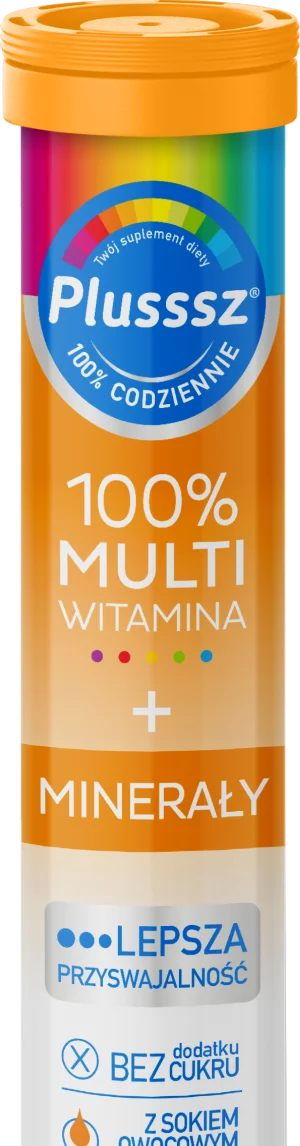
Plusssz UK builds its electrolyte hydration products specifically for active individuals who want precise mineral supplementation without the sugar load that mainstream sports brands use as a filler. The formulas contain no added sugar, which means you use them alongside your chosen carbohydrate strategy rather than being forced into a one-size-fits-all drink.
For UK cyclists specifically, this matters because the range of ride conditions here is extreme. A March sportive in Yorkshire is physiologically very different from a July gran fondo in the Cotswolds. A no-added-sugar electrolyte formula lets you adapt your intake to the conditions without adjusting your entire nutrition plan.
The Plusssz electrolyte range also addresses the specific needs of different demographics. Masters cyclists over 50 have different calcium and magnesium requirements than younger riders, and women training through different phases of their cycle respond differently to sodium loading. These are not marketing angles. They are physiological realities that generic sports drinks simply do not address.
If a friend recommended Plusssz to you, the most practical entry point is the core electrolyte hydration product. Use it pre-ride to arrive at your start line topped up, on-bike to maintain mineral balance, and post-ride to accelerate recovery. That three-part approach, combined with a sensible carbohydrate strategy, covers the full hydration picture for rides of any length.
Most sports science guidelines recommend between 500 and 1000mg of sodium per hour during sustained cycling efforts, with the higher end applying to heavy sweaters, hot conditions, and efforts over 3 hours. A well-formulated electrolyte drink will list sodium content clearly. Check the label and scale intake to your personal sweat rate rather than defaulting to the minimum serving suggestion.
Electrolyte overdose from sports supplements during normal exercise is extremely rare. The kidneys handle excess mineral excretion efficiently in healthy adults. The far more common and more dangerous problem is under-consumption, particularly of sodium, which leads to hyponatraemia. For most UK cyclists, the practical risk is always too little, not too much.
An isotonic drink has the same concentration of dissolved particles as blood plasma, roughly 280 to 300 milliosmoles per kilogram, and is absorbed at a moderate rate. A hypotonic drink has a lower concentration and absorbs faster, making it better for rapid rehydration. For cycling, hypotonic or low-osmolality electrolyte drinks are generally preferred because they empty from the stomach quickly and reduce the risk of GI discomfort during hard efforts.
All three. Pre-ride electrolyte intake in the 30 to 60 minutes before you start ensures you begin with full mineral stores. On-bike intake maintains balance during the effort. Post-ride intake accelerates recovery by restoring plasma osmolality and supporting muscle protein synthesis. Treating electrolytes as only an on-bike product misses two of the three windows where they do the most work.
Yes, significantly. UK summers can produce temperatures between 25 and 35 degrees Celsius, at which point sweat rates double compared to cool spring riding. Wind chill in autumn and winter creates a false sense of low sweat loss when actual fluid losses can still be substantial, particularly on hilly routes. The common mistake is reducing electrolyte intake in cold weather because you do not feel as hot. Fluid and mineral losses still occur; they are simply less visible.
For rides under 2 hours at moderate intensity, a combination of real food and good pre-ride nutrition can cover mineral needs reasonably well. Beyond that threshold, the logistics of carrying enough sodium, potassium, and magnesium in food form, alongside carbohydrate and protein sources, becomes impractical on the bike. A compact electrolyte formula is a far more efficient delivery mechanism during a 4 to 6 hour effort.
Have you found a particular electrolyte strategy that transformed your long-ride performance? Share your experience in the comments, because the best practical tips often come from riders who have tested things on the road, not just in a lab.