Active adults get sick at the worst possible times. A hard training block, a run of back-to-back events, or a busy stretch at work is exactly when the immune system tends to dip. The relationship between vitamins immune function and physical performance is not coincidental. Intense exercise, sweating, and inadequate recovery genuinely deplete specific micronutrients that white blood cells and immune signalling molecules depend on. Understanding exactly which vitamins and minerals matter, how much you need, and when deficiency becomes a real risk is the practical knowledge gap this article fills for active adults in the UK.
Key Insight |
Explanation |
|---|---|
Vitamin D deficiency is widespread in UK active adults |
Public Health England data shows approximately 1 in 5 UK adults have low vitamin D levels, with indoor training and limited sunlight making athletes especially vulnerable in winter months. |
Zinc losses increase significantly through sweat |
Research published in the Journal of Sports Sciences estimates that intense exercise can cause zinc losses of up to 1.5 mg per session, directly impairing T-cell production if not replaced. |
Vitamin C requirements rise under physical stress |
High-intensity exercise elevates oxidative stress, which consumes vitamin C faster. Studies in the British Journal of Nutrition suggest athletes may need up to 200 mg daily, above the standard UK RDA of 40 mg. |
Magnesium regulates hundreds of immune-related enzyme reactions |
Magnesium is a cofactor in over 300 enzymatic processes. Its depletion, common in endurance athletes, reduces the ability of immune cells to mount an effective inflammatory response. |
Iron deficiency impairs immune cell proliferation |
Iron is required for the replication of lymphocytes. Even sub-clinical iron deficiency, common in active women and distance runners, measurably reduces immune response speed. |
Electrolyte balance affects immune cell function at a cellular level |
Sodium and potassium gradients across immune cell membranes affect signalling. Dehydration-driven electrolyte imbalance directly suppresses neutrophil and natural killer cell activity. |
No single micronutrient is sufficient on its own |
Vitamins and minerals interact in coordinated pathways. Vitamin D requires magnesium to be activated. Vitamin C regenerates vitamin E. A targeted multi-nutrient approach consistently outperforms single-supplement strategies in clinical data. |
There is a well-documented phenomenon in exercise immunology called the open window theory. In the hours immediately following prolonged or high-intensity exercise, the immune system is temporarily suppressed. Natural killer cell counts drop, secretory IgA in the upper respiratory tract falls, and cortisol and adrenaline suppress lymphocyte function. This creates a window of vulnerability that pathogens exploit.
The physiological cost of regular training is substantial. Sweat losses carry zinc, magnesium, and sodium out of the body with every session. Elevated metabolic rate burns through antioxidant vitamins faster. Caloric restriction, common among weight-category athletes and those training for aesthetics, further compounds deficiency risk.
In practice, the active adults most at risk are not those who train once a week. They are the committed ones: people running five days a week, attending two gym sessions and a spin class, or competing in multi-sport events. The harder you train, the more your immune system depends on consistent, targeted micronutrient intake. Generic healthy-eating advice does not account for this elevated demand.


Vitamin D is not a simple vitamin. It functions more like a hormone, with receptors on virtually every immune cell in the body. It directly regulates the production of antimicrobial peptides like cathelicidin, which represent the body's first-line defence against respiratory pathogens. A 2017 meta-analysis in the BMJ covering 25 randomised controlled trials and over 11,000 participants found that vitamin D supplementation significantly reduced the risk of acute respiratory infections, particularly in those who were deficient at baseline.
For UK-based active adults, deficiency is not an edge case. Sunlight exposure between October and March is insufficient to synthesise adequate vitamin D regardless of how much time you spend outdoors. The NHS recommends 10 micrograms (400 IU) daily as a baseline, but research increasingly supports 25 to 50 micrograms (1,000 to 2,000 IU) for athletes with confirmed low levels.
Pro tip: If you train primarily indoors or your training schedule peaks in autumn and winter, test your serum 25(OH)D levels before assuming diet alone is covering your vitamin D needs. A level below 50 nmol/L is a meaningful immune liability.
Vitamin C supports immune function through two distinct mechanisms. First, it is a powerful antioxidant that neutralises reactive oxygen species generated in large quantities during intense exercise. Second, it actively stimulates the production and function of white blood cells including neutrophils, lymphocytes, and phagocytes.
The UK RDA of 40 mg is based on the minimum required to prevent scurvy, not the amount needed to support an active immune system under physiological stress. The data consistently shows that athletes under high training loads benefit from intakes of 100 to 200 mg daily. Foods like broccoli, kiwi, and bell peppers provide useful amounts, but consistency is difficult to guarantee across a varied training and travel schedule.
B vitamins do not receive the same public attention as vitamin C or D, but their role in immune function is direct and well-established. Vitamin B6 is required for the production of lymphocytes and interleukins. Deficiency reduces T-lymphocyte proliferation, which slows the adaptive immune response. Vitamin B12 supports the formation of red blood cells and the maintenance of myelin, but it also plays a role in regulating cytokine production and natural killer cell activity.
Endurance athletes, particularly those following plant-based diets, are at meaningful risk of B12 insufficiency. The British Dietetic Association notes that B12 is found almost exclusively in animal products, making supplementation a practical necessity for vegan and vegetarian active adults.
Zinc is central to immune function in ways that are sometimes understated. It is required for the development and activation of T-lymphocytes, the production of cytokines, and the integrity of the skin and mucosal barriers that represent the body's physical defences. Minerals immune support UK research consistently highlights zinc as the micronutrient most significantly depleted through exercise-related sweat and urine losses.
A landmark study from the University of Nebraska found that male endurance athletes had significantly lower plasma zinc compared to sedentary controls, with associated impairments in immune marker profiles. The UK dietary reference value for zinc is 9.5 mg for adult men and 7 mg for adult women, but active individuals likely need to ensure consistent intake at the upper end of normal dietary ranges.
Magnesium deficiency is so prevalent among active adults that it has been described in the sports nutrition literature as a near-universal finding in hard-training populations. Beyond its role in energy metabolism and muscle function, magnesium is a required cofactor for the activation of vitamin D, the enzyme reactions underpinning neutrophil function, and the regulation of the inflammatory response.
A common mistake is treating magnesium supplementation purely as a sleep or recovery tool. The immune relevance is equally important. Without adequate magnesium, vitamin D supplementation is substantially less effective because the conversion of vitamin D to its active hormonal form depends on magnesium-dependent enzymes.
Pro tip: Choose a magnesium supplement in glycinate or malate form over magnesium oxide. The bioavailability difference is significant. Magnesium oxide absorption rates hover around 4%, while glycinate forms consistently demonstrate absorption rates above 80% in comparative studies.
Iron deficiency affects approximately 25% of active women in the UK according to data from the National Diet and Nutrition Survey. The immune consequences are often overlooked in favour of its more visible effects on energy and endurance. Lymphocytes require iron for DNA synthesis during replication. When iron is low, the immune system cannot rapidly expand its cell population in response to infection.
Distance runners face an additional risk factor called foot-strike haemolysis, where the mechanical impact of running literally destroys red blood cells in the feet, increasing iron turnover. For these athletes, dietary iron alone may be insufficient without active monitoring and targeted supplementation.

The connection between electrolyte balance and immune function is underreported in mainstream sports nutrition content, but the mechanistic evidence is clear. Immune cells maintain strict concentration gradients of sodium, potassium, and chloride across their cell membranes. These gradients drive the electrical signalling that activates immune cell responses to pathogens.
When an active adult becomes dehydrated and electrolyte-depleted, these gradients are disrupted. Research published in Exercise Immunology Review has demonstrated that even mild dehydration corresponding to a 2% loss of body weight measurably reduces natural killer cell cytotoxic activity. This is not a trivial finding for people training daily.
"Hydration status and electrolyte balance are as relevant to immune competence as any single vitamin. We cannot separate the physiology of fluid regulation from the physiology of immune defence." - Dr. Michael Gleeson, Professor of Exercise Biochemistry, Loughborough University
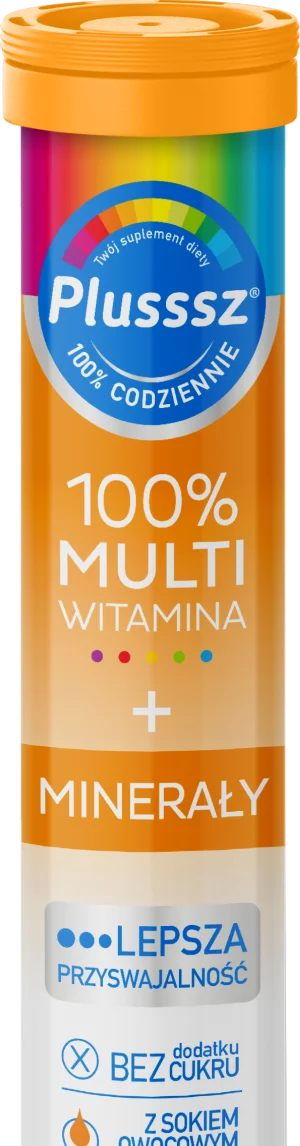
This is where formulations that combine electrolyte hydration with targeted vitamins and minerals have a real functional advantage over standalone single-nutrient products. For active adults using Plusssz electrolyte hydration products, the benefit is not just performance-level hydration. Maintaining sodium, potassium, and magnesium balance during and after exercise directly supports the immune cell function that single-vitamin products cannot address. The integrated approach reflects how the body actually works, rather than treating hydration and immunity as separate concerns.
Approach |
Strengths |
Limitations for Active Adults |
|---|---|---|
Single-nutrient supplementation (e.g. vitamin C only) |
Easy to dose precisely. Useful for correcting a confirmed individual deficiency. Low cost per nutrient. |
Ignores the interdependency of immune nutrients. Vitamin C without zinc and vitamin D provides incomplete immune coverage. Does not address electrolyte-immune interaction. |
Generic supermarket multivitamin |
Broad coverage at low cost. Convenient one-tablet format. Widely available. |
Dosages are often set at RDA minimums designed for sedentary populations. Poor bioavailability in many formulations. No electrolyte component. Not calibrated for exercise-related depletion patterns. |
Targeted active-adult multivitamin plus electrolyte hydration (e.g. Plusssz formulations) |
Dosages reflect elevated micronutrient demand of regular exercise. Electrolyte blend supports immune cell function during training. No added sugar. Formulated for specific demographics including women, men, and seniors. |
Higher unit cost than generic options. Requires consistent daily use to realise cumulative immune benefit. Not a substitute for a quality diet foundation. |
Timing matters for micronutrient absorption and immune application. Fat-soluble vitamins such as D, A, E, and K should be taken with a meal containing dietary fat to maximise absorption. Water-soluble vitamins like C and the B complex are best spread across the day rather than taken in a single large dose, since the body excretes excess amounts rapidly.
Zinc and iron should not be taken simultaneously. They compete for the same intestinal absorption pathways, and taking them together meaningfully reduces the uptake of both. If your multivitamin contains both, the formulation quality matters significantly. Look for products that use zinc bisglycinate and iron bisglycinate, which have better absorption profiles and cause less gastrointestinal irritation than oxide or sulphate forms.
The post-exercise window is particularly relevant for electrolyte and mineral replenishment. Magnesium, sodium, and potassium losses are highest in the two to three hours following intense exercise. Taking an electrolyte product immediately post-training, rather than waiting until the next morning, places these minerals back in circulation during the period when immune suppression is at its deepest.
The data on micronutrient deficiency in UK athletes paints a consistent picture. The most commonly deficient nutrients in regular exercisers are, in order of prevalence: vitamin D, magnesium, iron, zinc, and vitamin B12. These are not random. They are the nutrients lost through sweat, depleted by elevated metabolic rate, or poorly absorbed from modern food sources processed for convenience rather than nutrient density.
Immunity in active adults is meaningfully weaker during periods of high training volume compared to moderate training phases. This is the opposite of what most active people assume. The popular belief that harder training automatically builds a stronger immune system is not supported by the immunology literature. Exercise improves immune surveillance at moderate intensities, but high-volume training without adequate micronutrient support actively suppresses it.
Women have additional considerations. Iron losses through menstruation combined with exercise-related sweat losses create a compounding deficit that standard RDA guidance does not fully account for. Postmenopausal active women face a different challenge, with reduced estrogen impairing calcium absorption and increasing the risk of vitamin D-related immune dysfunction.
Seniors who remain active face a category called immunosenescence, the age-related decline in immune function that occurs independently of lifestyle. Research from University College London shows that targeted supplementation with vitamin D, zinc, and selenium can partially offset immunosenescence markers in adults over 65. This is precisely the population for whom a purpose-built active seniors formulation offers more than a standard off-the-shelf option.
Vitamin D has the strongest and most consistent evidence base. Multiple large-scale randomised controlled trials, including the 2017 BMJ meta-analysis covering over 11,000 participants, have demonstrated a significant reduction in acute respiratory infections with vitamin D supplementation. Its effect is especially pronounced in individuals who are deficient at baseline, which includes a large proportion of active adults in the UK during autumn and winter months.
In theory, yes. In practice, very few active adults consistently achieve this. Exercise increases micronutrient requirements at the same time that sweat losses, elevated metabolic rate, and the practicalities of meal timing around training make dietary sufficiency harder to maintain. The UK National Diet and Nutrition Survey shows widespread deficiency in vitamin D, magnesium, and iron even in the general population, let alone those with elevated physiological demands.
Zinc depletion can begin affecting T-lymphocyte production within days of sustained losses without adequate replacement. The body has no specialist zinc storage system comparable to iron stores. Once plasma zinc falls below functional thresholds, the production of thymulin, the thymus-derived hormone that governs T-cell maturation, drops measurably. This is why consistent daily intake matters more than occasional large doses.
Yes, and the differences are meaningful enough to warrant different formulations. Active women have significantly higher iron requirements due to menstrual losses, which directly affects immune cell proliferation. Active men tend to show greater zinc losses through sweat. Hormonal differences also influence how vitamin D and magnesium are metabolised. A multivitamin designed for active women should prioritise iron and folate, while one designed for active men should weight zinc and selenium more heavily.
The mechanistic evidence is real. Immune cells including neutrophils and natural killer cells depend on maintained sodium-potassium gradients across their membranes for activation and signalling. Dehydration disrupts these gradients. Research consistently shows reduced immune cell activity in dehydrated states. Electrolyte hydration products that restore sodium, potassium, and magnesium balance after exercise directly support the cellular environment these immune cells operate in. It is not a marketing abstraction. It is basic cell biology.
Year-round supplementation with vitamin D is supported by UK public health guidance for the general population, and even more so for active adults. Zinc, magnesium, and B vitamin intake should reflect training load rather than season. During high-volume training blocks, supplementation needs increase regardless of the time of year. The immune suppression from overreaching does not take a summer holiday.
If you are an active adult managing your immune health around a regular training schedule, share what has and has not worked for you in terms of micronutrient strategies. Real-world patterns from people in similar situations are often more informative than controlled trial averages.