Racket sport players lose between 1.5 and 2.5 litres of sweat per hour during intense match play, and that sweat carries far more than just water. It carries sodium, potassium, magnesium, and chloride, the minerals that keep your muscles firing and your decision-making sharp. Most players replace the fluid. Almost none replace the electrolytes at the right rate. That gap is exactly where performance collapses, cramps strike mid-match, and reaction times slow in the third game. Understanding electrolytes for racket sports is not a marginal upgrade. For squash and tennis players competing at any level above casual, it is the single most overlooked factor in sustained court performance.
Key Insight |
Explanation |
|---|---|
Water alone is not enough during match play |
Drinking plain water without electrolytes dilutes plasma sodium, which can worsen muscle function and cause hyponatraemia in prolonged play. |
Sodium is the priority electrolyte for racket sports |
Sweat is predominantly a sodium-chloride solution. Sodium drives fluid retention and maintains nerve signal speed, both critical in fast rally exchanges. |
Squash players face higher sweat rates than most court sports |
The enclosed court and sustained high-intensity intervals push core temperature up faster, increasing sweat rate and electrolyte loss beyond outdoor tennis norms. |
Magnesium deficiency is a direct trigger for muscle cramps |
Magnesium regulates neuromuscular signalling. Low levels increase involuntary muscle contractions, which is why cramping spikes in the final games of long matches. |
Pre-loading electrolytes improves early-game performance |
Starting a match already in mild electrolyte deficit is common. Consuming an electrolyte supplement 30 minutes before play sets a higher baseline for fluid absorption. |
Sugar-free electrolyte formulas are preferable for court sports |
High-sugar sports drinks spike insulin mid-match, which can cause an energy crash in the second half. No-added-sugar electrolyte products maintain energy stability. |
UK indoor conditions do not reduce sweat rate significantly |
Many UK players underestimate fluid loss in heated indoor squash courts and leisure centres. Sweat rates in heated indoor environments can match outdoor summer conditions. |
Racket sports occupy a category of their own when it comes to physiological stress. Unlike steady-state endurance activities, squash and tennis involve repeated explosive sprints, rapid direction changes, sustained upper-body force production, and intense concentration, all simultaneously. Research published by the British Journal of Sports Medicine confirms that professional squash players reach average heart rates of 85 to 90 percent of maximum during competitive matches, which is higher than many running events of similar duration.
This intensity pattern means sweat glands are working at close to maximum output for extended periods. A 45-minute squash game at club competitive level can produce sweat losses of 1.2 to 1.8 litres. A two-hour tennis match in a heated UK leisure centre can push that figure above 2 litres. These are not trivial losses that a sip of water at changeovers will correct.
The specific challenge for electrolytes in racket sports is that the intermittent nature of play masks the accumulating deficit. Players often feel functional until the deficit reaches a threshold, at which point performance deteriorates rapidly rather than gradually. A common mistake is waiting to feel thirsty before drinking, by which point the player is already 2 percent dehydrated, a level clinically linked to measurable decline in reaction time and decision accuracy.


Electrolytes are minerals that carry an electrical charge when dissolved in fluid. In the context of racket sport performance, four matter most: sodium, potassium, magnesium, and chloride. Each has a distinct role that becomes acutely relevant during match play.
Sodium is the primary electrolyte in extracellular fluid. It governs how much water your body retains and how quickly fluid moves from the gut into the bloodstream. During a squash rally, sodium concentration in the blood directly influences the speed of nerve impulse transmission. When sodium drops, muscle response slows. For a sport where the difference between reaching a drop shot and not is measured in milliseconds, that slowdown is the difference between winning and losing the point.
Potassium works inside cells to regulate the contraction and relaxation cycle of muscle fibres. Inadequate potassium during prolonged play means muscles contract but struggle to release cleanly. This is felt as stiffness, reduced stroke fluidity, and in severe cases, painful cramping in the calves or forearm. Tennis players in particular notice this in their hitting arm during extended baseline rallies in the third set.
Magnesium regulates over 300 enzymatic processes, but for racket sport players the most relevant function is neuromuscular signalling. Low magnesium amplifies nerve excitability, meaning muscle fibres fire when they should be resting. The cramps that hit players in the final stages of close matches are not exclusively a hydration problem. They are frequently a magnesium deficit problem that has been building throughout the match.
Pro tip: If you regularly cramp in the third game of squash or the deciding set of tennis, add a magnesium-containing electrolyte supplement to your pre-match routine rather than waiting for cramps to appear. Prevention is physiologically straightforward. Recovery mid-match is not.
Squash hydration is a specific challenge that outdoor sport players often underestimate until they switch to playing indoors regularly. The enclosed court environment creates a microclimate. Body heat and exhaled moisture raise the ambient temperature and humidity faster than the ventilation systems in most UK leisure centres can compensate for. Core body temperature climbs more quickly than in open air, and the body responds by increasing sweat rate.
In practice, this means a 40-minute squash match in a standard UK sports centre can produce sweat losses comparable to running in warm summer conditions. The data consistently shows that even at moderate room temperature of 18 to 20 degrees Celsius, squash players produce significantly more sweat per minute than players in equivalent-duration outdoor sports at the same ambient temperature, because movement intensity and enclosed air circulation are both compounding factors.
The structural rule in squash is that drinks breaks only occur between games, not mid-rally. This means a player can go 6 to 8 minutes without any fluid intake during an intense game. By the time the break arrives, the electrolyte deficit is already building. Players who arrive at court even slightly under-hydrated from their day compound this problem significantly by game two.
Pro tip: For squash, consume your electrolyte supplement 30 minutes before entering the court, not just at the drinks break between games one and two. Pre-court electrolyte loading means your gut has already begun absorbing key minerals before the first rally commences.

Tennis hydration in the UK sits across two very different environments depending on the season and venue. Outdoor clay and hard courts in summer bring direct sun exposure and temperatures that can exceed 25 degrees Celsius, creating sweat rates that most recreational players associate with hot-weather sport. But UK players spend a large portion of the year on indoor courts or under court covers, and many incorrectly assume cooler conditions mean hydration is less critical.
The indoor error is common and expensive in performance terms. Heated indoor tennis courts maintained at playing temperature during winter months can sustain sweat rates surprisingly close to outdoor summer levels, because the combination of physical intensity and enclosed warm air removes the cooling advantage that outdoor players benefit from through wind and evaporation. A UK club player grinding through a two-hour indoor match in January is losing electrolytes at a rate that demands active replacement, not passive sipping of water.
Research from sports science institutions indicates that electrolyte depletion effects on performance typically become measurable after 45 to 60 minutes of intense activity. In tennis, that corresponds roughly to the end of a close first set in competitive play. Players who have not pre-loaded electrolytes and are relying on water alone will begin entering the second set in a state of progressive electrolyte deficit. By the third set, that deficit is the primary reason legs feel heavy and serves lose pace, not fitness.
Tennis offers more structured hydration opportunities than squash, with changeovers every two games. Smart players use this time to take 200 to 300 millilitres of an electrolyte solution rather than plain water. The key is avoiding high-sugar sports drinks that create an insulin response at changeover. No-added-sugar electrolyte formulas provide the minerals without the energy spike and crash cycle that affects second-half performance in three-set matches.
Most players attribute mid-match performance decline to fitness or technique. In practice, a large proportion of late-match deterioration in club-level racket sport is electrolyte-driven. The symptoms are recognisable once you know what to look for.
Muscle cramps are the obvious signal, but they appear late in the deficit curve. Earlier warning signs include a noticeable increase in unforced errors in the second half of a match, a feeling of mental fog when choosing shot selection, irritability or reduced focus during rallies, and unusual thirst that feels unsatisfied despite drinking water. These are all consistent with the neuromuscular effects of falling sodium, potassium, and magnesium levels.
"Even mild dehydration of 1 to 2 percent of body mass can impair cognitive performance, reaction time, and sustained attention, all of which are critical in competitive racket sports."
Institute of Medicine, Dietary Reference Intakes for Water and Electrolytes
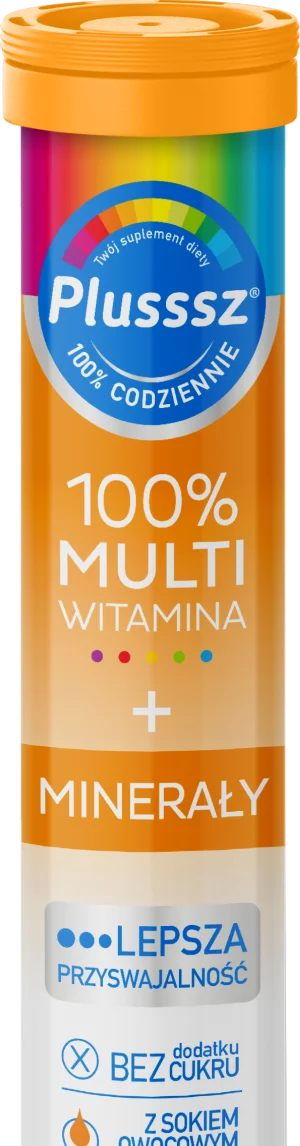
A common mistake is drinking large volumes of plain water once cramps begin. This dilutes plasma sodium further and can worsen the condition. The correct response is an electrolyte solution with sodium as the primary mineral, taken in measured amounts rather than gulped. For this reason, carrying a Plusssz electrolyte supplement to court rather than relying on whatever is available at the venue gives players direct control over their mineral replacement, not just their fluid intake.
Not all hydration strategies are equal for squash and tennis players. The market contains a range of approaches from plain water to high-sugar isotonic drinks, and the differences in practical court performance are significant. Below is a direct comparison of the three most common approaches used by UK racket sport players.
Approach |
Electrolyte Replacement Quality |
Suitability for Racket Sports |
|---|---|---|
Plain water only |
Zero electrolyte replacement. Replaces fluid volume only. Can dilute plasma sodium in sustained play. |
Adequate for matches under 30 minutes at low intensity. Insufficient for competitive club play or longer sessions. |
High-sugar isotonic sports drink (e.g., standard retail brands) |
Moderate electrolyte content, typically sodium and potassium, but paired with 20 to 30 grams of sugar per 500ml serving. |
Provides some electrolyte support but the sugar load can cause mid-match energy fluctuation. Not ideal for match play beyond 60 minutes. |
No-added-sugar electrolyte supplement (e.g., Plusssz electrolyte formula) |
Full-spectrum electrolyte profile including sodium, potassium, magnesium, and chloride with optimised absorption ratios and no sugar interference. |
Best fit for competitive squash and tennis. Provides mineral replacement without energy spike. Supports pre-load, in-match, and recovery hydration across all match durations. |
A working electrolyte protocol for racket sport players has three phases: pre-match loading, in-match maintenance, and post-match recovery. Each phase has a different physiological objective and requires a different approach.
Consume an electrolyte supplement dissolved in 300 to 400 millilitres of water 30 minutes before play. This gives the gastrointestinal system time to absorb key minerals before sweat losses begin. Players who skip this step are starting the match already chasing their electrolyte balance rather than maintaining it. The Plusssz electrolyte hydration range is formulated specifically for this pre-activity window, with a no-added-sugar profile that does not cause pre-match bloating or insulin response.
The target during a match is maintenance, not replacement. Take 150 to 200 millilitres of electrolyte solution at every structured break: between games in squash, at changeovers in tennis. Do not wait for thirst. Thirst is a late signal, not an early one. Players using plain water at changeovers should add an electrolyte supplement rather than switching the fluid source entirely, as consistency of intake matters more than perfection of timing.
Post-match recovery is where many club players completely abandon their electrolyte strategy. Replacing minerals after play supports muscle repair, reduces delayed onset muscle soreness, and prepares the body for training or play the following day. A full electrolyte serving in the 30-minute window after play is the minimum. Players who train or play on consecutive days should consider a second serving with their evening meal to complete overnight recovery replenishment.
For active individuals using Plusssz products as part of a broader supplement routine that includes multivitamins, pairing the electrolyte formula with a daily multivitamin that covers vitamin D, B-complex, and zinc creates a comprehensive support structure for the cumulative physical demands of regular racket sport training schedules.
Competitive squash players typically lose between 1.5 and 2.5 litres per hour during match play. Recreational players lose slightly less but still routinely exceed 1 litre per 45-minute session. Tennis players in UK indoor conditions lose between 0.8 and 1.8 litres per hour depending on intensity and court temperature. These losses cannot be fully offset by plain water without concurrent electrolyte replacement.
In most conditions, yes. The enclosed court environment in squash raises ambient humidity and temperature more rapidly than open or semi-open tennis courts. Movement intensity in squash is also more sustained, with fewer natural pauses. For these reasons, squash players generally face a higher dehydration risk per unit of time than tennis players at equivalent fitness levels and ambient temperatures.
Standard high-sugar sports drinks provide some electrolytes, mainly sodium and potassium, but carry 20 to 30 grams of sugar per serving. During a two-hour match this creates an insulin response that can produce an energy trough in the third set or final games. No-added-sugar electrolyte formulas like those from Plusssz deliver the same mineral profile without the sugar load, making them a better fit for the prolonged, moderate-intensity effort profile of racket sport match play.
The pre-match window of 25 to 35 minutes before first point is ideal for an initial electrolyte serving. This gives sufficient time for gastrointestinal absorption before sweat losses begin. During the match, take 150 to 200 millilitres at every official break. Post-match, consume a full serving within 30 minutes of finishing play. This three-phase approach covers the pre-load, maintenance, and recovery windows that define a complete hydration strategy.
No, and this is one of the most persistent misconceptions among UK club players. Indoor courts heated to playing temperature during autumn and winter months sustain sweat rates comparable to warm outdoor conditions. The absence of wind-assisted evaporative cooling on indoor courts means body temperature climbs faster than players expect. UK players competing indoors October through March should apply the same electrolyte protocol as summer outdoor players.
Sodium is the primary electrolyte to prioritise for cramp prevention because it governs fluid distribution and nerve signal speed. Magnesium is the second most important, directly regulating neuromuscular excitability. Potassium plays a supporting role in muscle fibre contraction and relaxation. A full-spectrum electrolyte formula covering all three addresses the complete physiological mechanism behind exercise-induced cramping in squash and tennis.
Have you changed your hydration approach after a bad cramping episode on court, or do you have a specific match-day electrolyte routine that has made a measurable difference? Share your experience below.