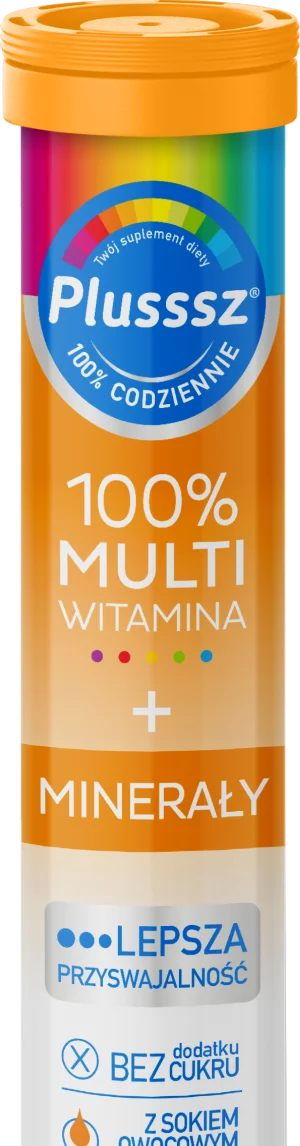
Most active people spend more time choosing their trainers than reading the label on their supplements. That is a problem. A common mistake is assuming that a higher milligram count means a better product, when in reality, the form of the nutrient, the presence of fillers, and the declared serving size tell you far more about what you are actually getting. Learning how to read a supplement label is not optional if you want your nutrition to match your training effort. This plain-English guide breaks down every section of a supplement label so you can make confident, informed choices.
Key Insight |
Explanation |
|---|---|
Serving size is the anchor for everything |
Every nutrient figure on the label is based on one serving, not the whole container. Check this first before comparing products. |
NRV percentages have limits |
Nutrient Reference Values are set for the general population, not for athletes. An active person may need significantly more of certain electrolytes and B vitamins. |
The ingredients list is ranked by weight |
Ingredients appear in descending order of quantity. If a claimed active ingredient appears near the bottom, it is likely present in a trivial amount. |
Nutrient form matters more than dose |
Magnesium oxide is poorly absorbed compared to magnesium citrate or glycinate. The same applies across minerals and some vitamins. Form is everything. |
No added sugar is a functional claim, not just a marketing one |
For electrolyte products, a sugar-free formula avoids the insulin response that can disrupt post-exercise recovery and body composition goals. |
Proprietary blends hide individual doses |
When a label lists a blend with a single total weight, you cannot verify how much of any one ingredient you are getting. This is a red flag for transparency. |
Third-party testing signals are worth spotting |
Look for certification logos or statements like Informed Sport or NSF Certified. These indicate independent verification of what is on the label. |
The Supplement Facts panel is the standardised box required on every dietary supplement UK product sold legally in Great Britain and Northern Ireland. It is governed by retained EU law and monitored by the Food Standards Agency. The panel is not optional decoration. It is the primary document for your purchasing decision.
The panel is divided into distinct zones. At the top you will find serving size and servings per container. Below that is a table of nutrients with amounts per serving and, where applicable, a percentage of the Nutrient Reference Value (NRV). Below the main table, you will typically see a section for ingredients not assigned an NRV, such as certain plant extracts or proprietary blends.
In practice, the panel is designed to allow comparison between products of the same category. If you are looking at two electrolyte tablets and one shows 300mg of sodium per serving while the other shows 150mg, you can make a direct comparison, provided the serving sizes are the same. That last qualifier matters enormously and is where most label-readers go wrong.


Serving size is the single most manipulated number on any supplement label. Brands with lower doses per gram of product can make their formula appear competitive by reducing the declared serving size. A product listing 500mg of electrolytes per serving sounds weaker than a competitor at 800mg, unless the competitor's serving is twice as large.
Divide the total amount of any key nutrient by the serving size in grams to get a concentration figure. For example, if a Plusssz electrolyte tablet contains 300mg of sodium per 5g tablet, that is 60mg of sodium per gram. If a competing product offers 400mg of sodium but in a 10g serving, it is only 40mg per gram. The Plusssz formula is more concentrated, meaning you need less product per session.
Servings per container also determines the true cost per use. A product priced at £19.99 for 30 servings costs roughly 67 pence per serving. A product priced at £14.99 for 15 servings costs exactly £1.00 per serving. The cheaper headline price is more expensive in use.
Pro tip: Always calculate the cost per serving, not the cost per pack, when comparing supplements. The pack price is a marketing number. The cost per serving is the real number.
Nutrient Reference Values (NRVs) replaced the older Recommended Daily Allowance terminology in EU and UK labelling law. They represent the daily intake of a nutrient considered adequate for approximately 97.5% of the general healthy adult population. They are not targets for athletes.
The NRV for vitamin C, for example, is 80mg. Research published by the British Journal of Sports Medicine suggests that athletes under oxidative stress from intense training may benefit from intake considerably higher than this. The NRV is a floor, not a ceiling, and it is set for a sedentary reference adult, not a triathlete or a regular gym-goer.
"The reference values used for food labelling are based on a theoretical adult population and do not account for the increased metabolic demands of regular physical activity." - European Food Safety Authority (EFSA), Scientific Opinion on Dietary Reference Values
This is particularly relevant for electrolytes. The NRV for sodium is 800mg. An active person exercising at moderate intensity for 60 to 90 minutes can lose between 500mg and 1,500mg of sodium through sweat, depending on body size, sweat rate, and environmental temperature. A supplement providing 30% NRV of sodium per serving may look impressive on a label but may be wholly inadequate for a post-session recovery formula.
Magnesium, potassium, vitamin D, and B vitamins are the most commonly underrepresented nutrients when NRV percentages are taken at face value by active individuals. These are nutrients that support muscle function, energy metabolism, and immune health, all of which are under greater demand during regular training cycles.
The full ingredients list appears below the Supplement Facts panel and is listed in descending order of weight. This is the most transparent part of the label if you know how to read it, and the most deceptive if you do not.
A product can legally claim to contain a trendy ingredient like ashwagandha or CoQ10 in very small quantities. If those ingredients appear at position 12 in a 15-ingredient list, you are likely getting a dose that has no meaningful physiological effect. Effective doses of ashwagandha, for example, are typically in the range of 300mg to 600mg per day based on clinical trials. A product containing 10mg to satisfy label inclusion is a different product entirely.
For electrolyte hydration products, the ingredients list should clearly show the mineral sources. Sodium chloride, potassium citrate, and magnesium citrate or glycinate are preferred forms. Their position in the list reflects their relative quantity. Active ingredients should appear in the top third of the list for a formula genuinely built around them.
Also check for fillers, anti-caking agents, and colourants. These are not necessarily harmful, but a long tail of non-nutritive ingredients signals a formula padded with bulking agents. Plusssz formulations are built to minimise this kind of filler loading, which matters if you are consuming the product daily or multiple times per week.
Pro tip: If you see the phrase "of which sugars" under carbohydrates with a non-zero figure in an electrolyte product, check whether that sugar source is listed in the ingredients. A no added sugar claim is different from a zero sugar formula. Some natural fruit extracts or carriers still contribute to the sugar count.

Electrolyte supplements are one of the fastest-growing categories in the UK sports nutrition market. With that growth comes a wider variance in quality. The core electrolytes to check for are sodium, potassium, magnesium, and chloride. Calcium is a secondary consideration for most users.
Sodium drives fluid retention and nerve conduction. For most active people training at moderate to high intensity, sodium is the electrolyte lost in the greatest quantity through sweat. A credible electrolyte supplement should list sodium as one of its top ingredients with a dose that meaningfully replaces sweat losses. Products providing less than 100mg of sodium per serving will not make a material difference to hydration status during or after training.
Potassium supports muscle contraction and helps counterbalance sodium. Magnesium plays a role in over 300 enzymatic reactions, including those governing ATP production, which is the immediate energy currency of exercise. Many electrolyte products on the market include these two minerals at doses that represent a small fraction of what is actually useful. Check the milligrams, not just whether the ingredient is present.
The data consistently shows that magnesium deficiency is widespread in active populations. A 2018 review in the journal Nutrients found that suboptimal magnesium intake is associated with impaired exercise performance and increased muscle cramping. A supplement providing 20mg of magnesium is not addressing that problem in any meaningful way.
Multivitamin products for active individuals should look different from a general population multivitamin. The demands placed on an active body, higher oxidative stress, greater metabolic rate, increased muscle protein synthesis, and elevated immune demand, require a different nutritional profile than someone who is sedentary.
When reading a multivitamin label, the first thing to verify is whether the formula is differentiated. A supplement ingredients guide for active users should point you toward elevated B vitamin dosing, particularly B6, B12, and folate, which support energy metabolism and red blood cell production. Vitamin D at a meaningful dose, typically 1000 IU to 2000 IU for UK-based individuals given the limited sunlight exposure, is another marker of a well-designed active formula.
Formulas designed for women versus men will differ on iron content, as menstruating women have higher iron requirements. They may also differ on B12 and vitamin D dosing, and on the inclusion of nutrients like choline, which supports cognitive function and is often depleted in female athletes. If a multivitamin is marketed as gender-specific, the label should show tangible numerical differences between the two versions, not just different branding.
If the iron content is identical between a men's and a women's formula, the product has not been genuinely differentiated. Plusssz UK produces targeted formulations across these demographics precisely because the nutritional science supports distinct approaches rather than a one-size-fits-all blend.
UK food and supplement law permits specific claims on labels only where they are supported by an approved health claim or a permitted nutrition claim. The relevant legislation in retained UK law follows Regulation (EC) No 1924/2006. In practice, this means claims like "contributes to normal energy-yielding metabolism" or "supports immune function" have specific regulatory thresholds behind them. A product cannot legally make those claims without meeting the minimum dosing criteria for the relevant nutrient.
However, this does not mean every claim on a label is meaningful in practical terms. A product containing 15% NRV of zinc can legally claim that zinc "contributes to normal immune function." That is technically accurate and legally compliant. It does not mean the dose is sufficient for an active person going through a high-training block in winter.
Phrases like "advanced formula," "ultra-strength," or "optimised absorption" are marketing language, not regulated claims. They carry no specific legal meaning under UK supplement law. The only way to assess whether an absorption claim holds up is to look at the ingredient forms declared on the label. Chelated minerals, methylated B vitamins (such as methylcobalamin rather than cyanocobalamin for B12), and liposomal delivery formats are examples of genuinely improved bioavailability, and they should be visible in the ingredients list.
Supplement Type |
What to Prioritise on the Label |
Common Label Red Flags |
|---|---|---|
Electrolyte Hydration Tablet or Powder |
Sodium dose per serving (aim for 200mg+), mineral forms (citrate, glycinate), no added sugar declaration, chloride and potassium levels |
Proprietary blend hiding individual electrolyte doses, sugar listed under carbohydrates despite marketing claims, sodium under 100mg per serving |
Active Multivitamin Complex |
Methylated B vitamins (methylcobalamin, methylfolate), vitamin D dose in IU, mineral forms for magnesium and zinc, whether formula is genuinely gender or age differentiated |
Cyanocobalamin as the only B12 source, magnesium oxide as the primary magnesium form, identical formulas across different demographic versions, fillers dominating the ingredients list |
General Supplement (e.g., single mineral or vitamin) |
Form of the active ingredient, dose relative to research-supported thresholds, clean excipient list, third-party certification marks |
Dose far below any clinically studied range, excessive fillers, no certification mark, vague marketing claims without specific ingredient support |
NRV stands for Nutrient Reference Value and is the current UK and EU-derived labelling standard. RDA, or Recommended Daily Allowance, is older US-origin terminology. For products sold in the UK, NRV is the correct term. Both concepts represent a reference daily intake for the general adult population, not specifically for active individuals. The figures are broadly similar but not always identical between UK and US standards.
The chemical form determines how well your body absorbs and uses the nutrient. Magnesium oxide, for example, has an absorption rate of roughly 4%, while magnesium citrate sits closer to 25 to 30%. Zinc gluconate is better absorbed than zinc oxide. If a label shows a high milligram dose but uses a poorly absorbed form, you may absorb only a fraction of the declared amount. Form is the most overlooked factor in supplement quality assessment.
Under UK food labelling law, no added sugar means that no sugars have been added during manufacturing. The product may still contain naturally occurring sugars from ingredients like fruit extracts. This is distinct from a zero sugar or sugar-free claim, which requires total sugar content to be below 0.5g per 100ml or 100g. For active people managing body composition or blood glucose response, the distinction between these claims is meaningful.
A proprietary blend appears on the label as a named blend, such as "HydraComplex 750mg," followed by a list of individual ingredients but with no individual dose declared for each. Only the total blend weight is given. This prevents you from verifying whether any single ingredient is present at an effective dose. Brands using transparent labelling declare each ingredient and its dose separately. Proprietary blends are not automatically dishonest, but they prevent informed comparison and are a valid reason for caution when significant investment in a supplement is involved.
No. Dietary supplements in the UK are regulated as food products under the Food Safety Act and related food law, monitored by the Food Standards Agency. They do not require pre-market approval from the MHRA as medicines do. This means the regulatory burden of proof for claims and safety is lower than for pharmaceutical drugs. It also means the responsibility for reading labels critically rests more heavily on the consumer. Third-party certification schemes like Informed Sport fill some of this gap by independently testing products for banned substances and label accuracy.
Active individuals over 50 have different nutritional priorities. Vitamin D requirements increase with age due to reduced skin synthesis efficiency. Vitamin B12 absorption can decline due to reduced stomach acid production, making dose and form, specifically methylcobalamin, more important. Calcium and magnesium ratios matter for bone health. A well-designed senior active multivitamin formula will reflect these differences in the declared amounts on the Supplement Facts panel, not just in the marketing copy on the front of the pack.
Not necessarily. For fat-soluble vitamins such as A, D, E, and K, very high doses above NRV can accumulate in tissue and cause toxicity over time. For water-soluble vitamins like vitamin C and B vitamins, excess is generally excreted, making high NRV percentages less risky but also potentially wasteful. For minerals, the picture is more nuanced. The goal is an effective dose in the right form, not the highest possible NRV percentage for its own sake.
If you have a specific label you are trying to decode or you have switched from a competitor product and want to understand what changed, share your experience in the comments below.