British men who train regularly are losing more zinc, magnesium, and B vitamins through sweat than most standard diets can replace. A 2020 study published in Nutrients found that up to 45% of adult men in the UK fall below the recommended intake for magnesium alone. For zinc for men athletes, the deficit is even sharper because intense exercise accelerates urinary and sweat-based losses. The result is a predictable performance ceiling: slower recovery, erratic energy, and compromised testosterone production. This article breaks down exactly why these three nutrients work together and what active men in the UK should actually do about it.
Key Insight |
Explanation |
|---|---|
Zinc directly supports testosterone synthesis |
Even mild zinc deficiency measurably reduces testosterone in men who train. Supplementing zinc for men athletes has shown testosterone increases of 8-20% in clinical settings. |
B vitamins are coenzymes, not energy themselves |
B1, B2, B3, B6, and B12 unlock energy from food. Without adequate levels, carbohydrate and fat metabolism slows regardless of calorie intake. |
Magnesium governs over 300 enzymatic reactions |
Muscle contraction, protein synthesis, and ATP production all require magnesium. Low levels produce cramps, poor sleep, and elevated cortisol in active men. |
Sweat strips all three nutrients simultaneously |
A single hard training session in the UK summer can deplete zinc, magnesium, and B vitamins enough to affect next-day performance if not replaced. |
Food alone rarely covers the gap for active men |
UK dietary surveys consistently show that men eating 2,500 kcal per day still miss magnesium and zinc targets when training five or more hours per week. |
Timing matters for magnesium |
Magnesium taken in the evening supports sleep quality and overnight muscle repair, which amplifies the effect of zinc and B vitamins consumed earlier in the day. |
No-added-sugar formulas absorb more effectively |
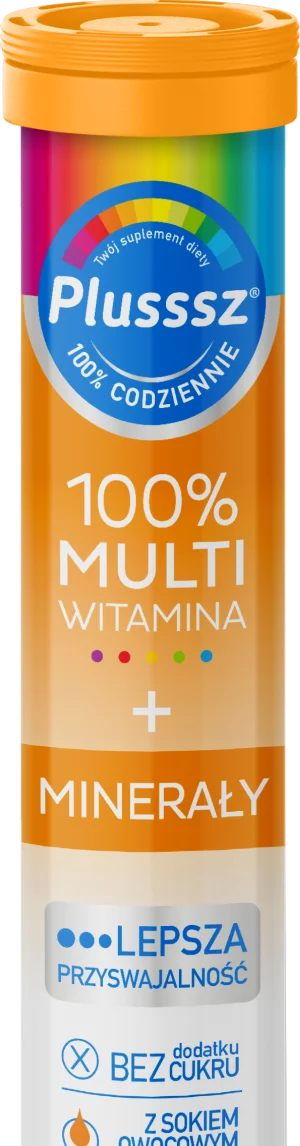
High sugar intake competes with magnesium and zinc absorption in the gut. Formulations without added sugar, such as those from Plusssz UK, reduce this interference. |
Zinc, B vitamins, and magnesium are not interchangeable. They each occupy a distinct role in male physiology, but they operate on overlapping biochemical pathways. Zinc regulates anabolic hormone production. B vitamins govern cellular energy metabolism. Magnesium controls neuromuscular function and recovery. Together, they cover the three biggest performance limiters for men who train: hormonal output, energy availability, and muscular recovery.
A common mistake is to supplement one and ignore the others. An athlete taking high-dose zinc without adequate B6, for instance, may see muted results because B6 is required for zinc-dependent enzyme activity. The trifecta only works when all three are present in sufficient amounts at the same time.
The data consistently shows that men who correct all three deficiencies simultaneously report better sleep, faster strength gains, and more sustained endurance than those who address only one nutrient at a time. This is not a coincidence. It is a function of how tightly these pathways are coupled.


Zinc for men athletes has a stronger evidence base than most people realise. A landmark study by Brilla and Conte published in the Journal of Exercise Physiology demonstrated that men supplementing zinc and magnesium aspartate over eight weeks gained significantly more testosterone and IGF-1 than a placebo group, with subjects also sleeping 73% better by self-report. These were not sedentary men. They were collegiate footballers training five nights per week.
Zinc functions as a cofactor in the conversion of androstenedione to testosterone. Without adequate zinc, this enzymatic step is rate-limited, meaning the body cannot produce testosterone efficiently even when precursor hormones are available. The NHS reference nutrient intake for zinc is 9.5 mg per day for adult men, but active men sweating heavily may need 12-15 mg to maintain serum zinc in the optimal range.
Foods like oysters, red meat, and pumpkin seeds contain zinc, but bioavailability is lower from plant sources due to phytate interference. Men following plant-heavy or vegan diets are at especially high risk of subclinical zinc deficiency, even when their total intake looks adequate on paper.
Intense training temporarily suppresses immune function. Zinc is directly involved in natural killer cell activity and T-lymphocyte proliferation. Athletes who maintain adequate zinc for men athletes supplementation consistently show shorter upper respiratory infection duration and fewer lost training days during heavy blocks. In practice, this is one of the clearest practical return-on-investment cases for zinc in sport.
Pro tip: Take zinc with a small amount of food to reduce nausea risk, but avoid taking it alongside high-calcium foods or dairy, which compete for absorption at the intestinal transporter level.
When athletes complain of feeling flat despite eating enough, B vitamins performance is usually where the investigation should start. B vitamins do not provide energy directly. They are the coenzymes that allow mitochondria to extract energy from glucose, fatty acids, and amino acids. Without them, substrate sits unused and the athlete feels sluggish, anxious, or unable to sustain power output.
B1 (thiamine) governs pyruvate dehydrogenase, the enzyme that feeds glucose into the Krebs cycle. B2 (riboflavin) and B3 (niacin) are essential components of NADH and FADH2, the electron carriers that drive ATP production. B6 (pyridoxine) is critical for amino acid metabolism and neurotransmitter synthesis, directly affecting mood, motivation, and pain tolerance during training. B12 (cobalamin) is required for red blood cell production and myelin sheath integrity, both of which affect oxygen delivery and nerve signalling in muscle.
A common mistake is to supplement only B12, especially among men who have heard about energy and B12. In practice, isolated B12 supplementation produces meaningful results only in men who are genuinely deficient. Men who train hard need the full B complex, not a single isolated compound.
Pantothenic acid (B5) is required for the synthesis of adrenal hormones, including cortisol. Under heavy training load, the adrenal demand for B5 increases. Men who are under-recovering often have elevated cortisol partly because B5 depletion impairs the normal feedback loop that would otherwise suppress cortisol post-exercise. Maintaining B vitamins performance support is therefore as much about stress hormone control as it is about energy production.
"The B vitamins act as the spark plugs of metabolism. You can have a full tank of fuel, but without them firing correctly, the engine simply does not run." Dr. Rhonda Patrick, biomedical scientist and researcher in micronutrient science.
Pro tip: B vitamins are water-soluble and not stored in significant amounts, meaning daily replenishment is necessary. A single-dose morning supplement with food covers most active men, but those training twice daily should consider a split dose to maintain circulating levels through both sessions.
Magnesium is consistently the most under-supplemented mineral among active men in the UK. Public Health England data shows that the average UK adult male consumes only around 270 mg of magnesium per day, against a recommended 300 mg, and that shortfall worsens significantly among men who exercise regularly and eat processed food.
For magnesium men UK athletes, the functional consequences of low magnesium are immediate and measurable. Muscle cramps during and after training, difficulty falling asleep despite fatigue, elevated resting heart rate, and reduced grip strength are all documented signs of suboptimal magnesium status. None of these are catastrophic in isolation, but together they represent a significant drag on weekly performance and recovery quality.
Not all magnesium is equal. Magnesium oxide, the cheapest form found in many high-street supplements, has a bioavailability of roughly 4%. Magnesium citrate absorbs at around 25-30%. Magnesium glycinate and malate absorb even better and cause less gastrointestinal discomfort. Electrolyte formulations designed specifically for active men, such as those offered by Plusssz UK, typically use higher-bioavailability forms to ensure the mineral actually reaches muscle tissue rather than passing through the gut unused.
Magnesium activates the parasympathetic nervous system and regulates the GABA receptor system, which is the brain's primary inhibitory pathway. Men who supplement 300-400 mg of magnesium in the evening report measurably deeper sleep stages in multiple controlled trials. Better sleep directly improves testosterone recovery, growth hormone release, and glycogen resynthesis. This is one of the clearest examples where a single mineral intervention produces cascading performance benefits.

The trifecta relationship is bidirectional. Magnesium deficiency reduces the absorption and utilisation of B6. B6 deficiency impairs zinc transport across cell membranes. Zinc deficiency limits the activity of over 200 enzymes, several of which are directly involved in B vitamin metabolism. This creates a compounding deficit cycle that is particularly difficult to break by supplementing just one nutrient at a time.
In practice, men who come to Plusssz UK having tried various single-nutrient supplements often describe a frustrating plateau. They took magnesium for cramps but still felt fatigued. They took zinc for performance but recovery did not improve. The answer is almost always that they were addressing one node of a three-node system.
The most effective approach is to treat all three as a unit, using a well-formulated multivitamin complex or combined electrolyte product that includes all three in bioavailable forms and appropriate ratios. This is exactly the design philosophy behind Plusssz UK's male-targeted supplement range, which pairs electrolyte hydration with a multivitamin complex built for men who train.
Correcting all three simultaneously also reduces the timeline to noticeable results. Men who fix the full trifecta typically notice improved training energy within 7-14 days, improved sleep within 3-7 days, and measurable changes in recovery speed within 3-4 weeks. Single-nutrient approaches tend to take longer because the body must still compensate for the remaining deficiencies.
The format in which you take zinc, B vitamins, and magnesium affects both absorption and practical compliance. Men who train early in the morning and skip breakfast will absorb capsule supplements poorly. Effervescent electrolyte formulas dissolve directly in water and begin absorbing in the stomach before they even reach the small intestine, making them more effective in fasted or semi-fasted training windows.
Format |
Absorption Speed and Bioavailability |
Best Use Case for Active Men |
|---|---|---|
Effervescent electrolyte tablet (e.g. Plusssz UK) |
Fast absorption, begins in stomach, high bioavailability of citrate and glycinate forms |
Pre-training, intra-training hydration, morning dose with or without food |
Standard capsule multivitamin (e.g. most high-street brands) |
Moderate absorption, depends heavily on food co-ingestion, oxide forms common |
Post-meal supplementation when compliance with timing is consistent |
Powder sachet (e.g. Science in Sport, High Five) |
Variable, depends on form used, often prioritises carbohydrate over micronutrient delivery |
Endurance athletes who also need carbohydrate during prolonged sessions |
The key differentiator for men targeting the trifecta specifically is the absence of added sugar in the formula. High sugar intake raises insulin sharply, which increases urinary excretion of magnesium. Products from Plusssz UK are formulated without added sugar, which means the mineral content you consume is far less likely to be flushed out before it can be absorbed and used. Competing products from brands like ORS Hydration or High Five focus primarily on rapid hydration and carbohydrate replacement, which serves a different goal.
The NHS recommends 9.5 mg per day for adult men, but active men losing zinc through sweat typically benefit from 12-15 mg daily. Doses above 40 mg per day long-term can interfere with copper absorption, so higher doses should only be taken with medical guidance. Most well-formulated male multivitamins provide 10-15 mg of zinc in a bioavailable form such as zinc citrate or zinc glycinate.
High doses of B6, particularly above 50 mg per day sustained over months, have been associated with sensory neuropathy and disrupted sleep in some men. Standard B complex formulations at RNI levels do not cause insomnia. If you are taking a high-potency standalone B6 supplement on top of a multivitamin, check the combined daily total. For most men training at recreational to amateur competitive level, staying within 2-5 times the RNI for each B vitamin is both safe and sufficient.
UK soil has progressively lower magnesium content than it did 50 years ago, meaning produce grown in British soil contains measurably less magnesium than it once did. Combined with a diet heavy in processed foods, alcohol consumption, and high caffeine intake (all of which increase magnesium excretion), the average UK male is structurally set up for magnesium insufficiency. This is before adding any exercise load to the equation.
At standard supplemental doses, zinc and magnesium do not significantly compete with each other for absorption. Competition becomes relevant at very high doses, typically above 25 mg of zinc taken alongside magnesium on an empty stomach. In combined electrolyte or multivitamin products, the ratios are designed to avoid this interaction, making combination products more practical and safer than trying to stack multiple single-nutrient capsules independently.
Sleep quality improvements from magnesium are typically noticeable within 3-7 days. Energy levels and training output responding to B vitamin correction tend to improve within 7-14 days. Hormonal effects from zinc optimisation, including testosterone-related improvements in recovery and drive, generally take 3-6 weeks to become clearly measurable. The fastest route to noticing results is to address all three simultaneously rather than sequentially.
Yes, provided the electrolyte product is specifically formulated to include meaningful doses of zinc and magnesium rather than just sodium and potassium. Many mainstream sports electrolyte products from competitors do not include zinc or include only trace amounts of magnesium oxide. Plusssz UK's electrolyte range is built around active men's micronutrient needs, not just fluid replacement, making it a practical and convenient delivery vehicle for the trifecta during training.
What has worked best for your training recovery, single-nutrient supplements or a combined approach? Share your experience so other active men in the UK can learn from what you have tried.