Most people drink a glass of water before training and call it hydration. That is not a strategy. Research published in the Journal of the International Society of Sports Nutrition confirms that even 2% dehydration measurably reduces endurance, strength output, and cognitive function during exercise. If your pre-workout hydration is an afterthought, your performance reflects that. A deliberate, timed approach to hydration before exercise makes a quantifiable difference, and this guide lays out exactly how to build one that works for real training loads, not theoretical lab conditions.
Key Insight |
Explanation |
|---|---|
Start hydrating 2-3 hours before training |
Drinking a large volume immediately before exercise causes gastric discomfort and poor absorption. Early loading gives your body time to distribute fluids to working muscle tissue. |
Plain water is insufficient for sessions over 60 minutes |
Sweat contains sodium, potassium, and magnesium. Replacing only water without electrolytes dilutes blood sodium and impairs muscle contraction efficiency. |
Urine colour is a reliable baseline hydration check |
Pale straw yellow indicates adequate hydration. Dark yellow or amber before a session means you are already behind before you begin. |
Sodium is the most critical pre-exercise electrolyte |
Sodium drives fluid retention in the blood plasma, which sustains cardiovascular output during high-intensity effort. Without it, fluid passes through rather than staying in circulation. |
Caffeine does not cause net dehydration at normal doses |
A common misconception. Research shows 200-400mg caffeine has a mild diuretic effect that is offset by the fluid volume in the drink delivering it. It is not a hydration enemy. |
No added sugar formulas support hydration without blood sugar spikes |
For training sessions under 90 minutes, you do not need carbohydrate loading in your hydration drink. A clean electrolyte formula maintains fluid balance without unnecessary sugar. |
Individual sweat rate varies by 400-500% between people |
Hydration before exercise must account for your specific sweat rate, not a one-size-fits-all recommendation. Hot environments and high-intensity sport increase needs significantly. |
The conversation about hydration usually focuses on what to drink during a workout. That framing misses the point. By the time you feel thirst during exercise, your performance is already compromised. The work of pre-workout hydration is to start your session in a state of physiological readiness, not to catch up mid-session.
Blood plasma volume depends directly on your hydration status. When plasma volume drops, your heart works harder to deliver oxygen to muscles, your core temperature rises faster, and your perceived effort at any given intensity increases. The data consistently shows these are not minor effects. A 2021 review in Sports Medicine confirmed that pre-exercise hypohydration increases heart rate by 3-5 beats per minute at the same absolute workload, which compounds over the course of a 45-minute session.
For active individuals training multiple times per week, this matters cumulatively. Showing up under-hydrated twice a week, every week, means consistently degraded training sessions. The quality of your output over months drops proportionally.


">
"Dehydration of as little as 1-2% of body mass can impair endurance performance, mood, and cognitive function in both moderate and hot environmental conditions." - American College of Sports Medicine Position Stand on Exercise and Fluid Replacement
This is particularly relevant for the Plusssz community, where training is not a casual occasional activity. Whether you are running intervals, hitting the gym, or managing an active daily workload, your hydration before exercise sets the ceiling for what your body can do.
The timing of pre-workout hydration is as important as the volume. Drinking 600ml of water five minutes before a session is not the same as spreading that intake across two to three hours. Your kidneys and intestinal tract need time to absorb and distribute fluid into plasma and intracellular compartments.
In practice, a structured pre-workout hydration timeline looks like this. Roughly 2-3 hours before training, aim to consume 400-600ml of fluid. This could be an electrolyte drink or water with a meal. At the 20-30 minute mark before your session begins, consume another 150-250ml. This final top-up primes your system without overloading your stomach before physical effort.
The American College of Sports Medicine recommends starting exercise in a euhydrated state, defined as body weight within 1% of baseline. That is not achievable with last-minute drinking. It requires planning, particularly for morning sessions where you begin with a natural overnight fluid deficit from respiration and minimal perspiration during sleep.
Morning athletes face a specific challenge. You wake up consistently mildly dehydrated. An overnight fast means 6-8 hours without fluid intake. The window before a morning session is compressed. In this case, prioritise an electrolyte-containing drink immediately on waking to accelerate absorption. Plain water alone takes longer to drive into plasma when sodium is absent.
A 250-350ml electrolyte drink consumed 30-45 minutes before a morning session is more effective than 500ml of plain water gulped five minutes before you leave. The osmotic gradient created by the sodium content pulls fluid into your bloodstream faster. This is not a theory. It is the mechanism underlying oral rehydration therapy used clinically worldwide.
Pro tip: If you train before 7am, prepare your electrolyte drink the night before and keep it at room temperature rather than chilled. Cold fluids slow gastric emptying slightly, which matters when your hydration window is tight.
Plain water handles hydration for sedentary individuals with minimal sweat loss. For anyone training with real intensity, it falls short as a standalone pre-workout strategy. This is not a marketing position. It is the physiological reality of how fluid is retained and used by the body under exercise stress.
Sodium is the dominant extracellular cation and the primary driver of fluid retention in plasma. When you consume fluid with adequate sodium content, osmoreceptors in the hypothalamus respond by reducing urinary output and increasing plasma volume. Without sodium, excess water is simply excreted through urine, leaving you in the same dehydrated state you started in.
Studies in the British Journal of Sports Medicine have shown that a sodium concentration of 500-700mg per litre in a pre-exercise drink significantly improves fluid retention compared to plain water over a two-hour pre-exercise period. That is the range where most quality electrolyte formulas sit.
Potassium and magnesium matter at a cellular level. Potassium is the primary intracellular electrolyte. It governs the electrical potential across muscle cell membranes, which directly affects contraction speed and power output. Magnesium is involved in over 300 enzymatic reactions, including ATP synthesis, which is your body's primary energy currency during exercise.
Deficiency in either does not cause immediate cramping in most cases. It causes subtle reductions in peak power, slower recovery between sets, and increased fatigue ratings at the same workload. These are exactly the kinds of marginal losses that serious athletes notice and recreational athletes attribute to a bad day.
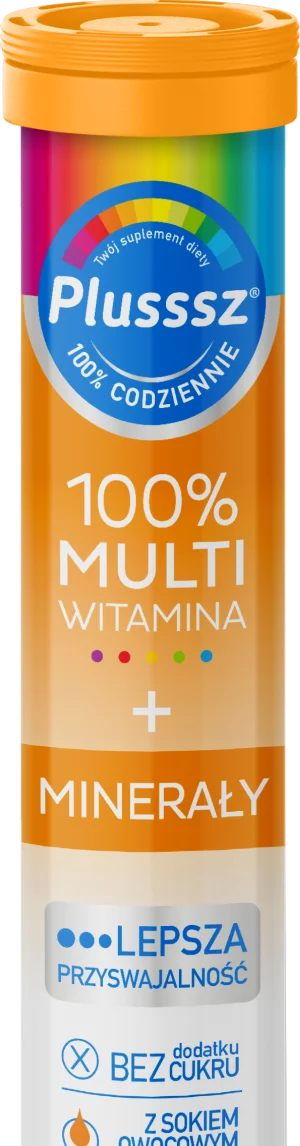
Plusssz electrolyte formulations address all three of these core minerals in ratios calibrated for active use, with no added sugar. For sessions under 90 minutes, this is the cleanest effective option available without the glucose load found in many competitor drinks on the market.
Pro tip: Do not use a sports drink that contains more than 8g of sugar per 100ml as your pre-workout hydration vehicle. High sugar concentrations slow gastric emptying and delay fluid absorption, which is the opposite of what you need before a session.

">
A single universal hydration protocol does not serve everyone equally. The variables that change your pre-workout requirements include session duration, intensity, ambient temperature, and individual sweat rate. A data-driven performance hydration strategy accounts for these differences rather than applying a blanket recommendation.
For runners, cyclists, and anyone doing sustained cardio over 60 minutes, the pre-workout period is critical because you will lose significant sodium through sweat before your session ends. Pre-loading with 500-600ml of a sodium-rich electrolyte drink 90-120 minutes before a long run is more effective than any amount of drinking during the run itself, because absorption during high-intensity effort is significantly reduced.
Sweat rates for endurance athletes in warm conditions can reach 1.5-2 litres per hour. Even a partial fluid deficit going into that session shortens the time before performance degradation becomes measurable.
Strength athletes often underestimate their hydration requirements because they do not feel wet with sweat the way runners do. In practice, a 90-minute resistance session at meaningful intensity produces 0.8-1.2 litres of sweat loss for most people. Starting that session even 500ml behind baseline means measurable reductions in grip strength, peak power on compound lifts, and muscular endurance in later sets.
For gym sessions, 400ml of an electrolyte drink 60-90 minutes pre-session, combined with standard meal-based hydration through the day, is a solid foundation. The key adjustment is consistency, not volume.
HIIT places the highest acute demand on your hydration status relative to session length. Intervals drive rapid heart rate increases, heavy sweating in short bursts, and significant core temperature elevation. A common mistake is treating a 30-minute HIIT session as low hydration demand because it is short. Intensity overrides duration when it comes to sweat rate and electrolyte loss. Treat HIIT pre-workout hydration identically to how you would approach a 60-minute steady-state session.
The most frequent error is confusing the absence of thirst with adequate hydration. Thirst is a lagging indicator. It activates after your blood osmolality has already risen above optimal exercise readiness levels. Relying on thirst to guide your pre-session intake guarantees you start dehydrated more often than not.
A second common mistake is drinking large volumes of plain water immediately before training. This floods the stomach, creates discomfort during exercise, suppresses thirst signals, and does not meaningfully increase plasma volume because the kidneys rapidly excrete the excess hypotonic fluid. Volume without sodium is largely wasted in this context.
A third error specific to people using multivitamin supplements is taking fat-soluble vitamins without adequate pre-session hydration. Vitamins A, D, E, and K require dietary fat for absorption, but they also depend on adequate fluid in the digestive system. Under-hydrated gut conditions slow supplement absorption across the board. Pairing your Plusssz multivitamin with an electrolyte drink rather than a dry swallow improves the practical delivery of those nutrients into circulation before your session begins.
Finally, many athletes ignore the cumulative hydration debt built across a week of poor daily fluid intake. Trying to correct five days of mild dehydration in the two hours before Saturday's session does not work. Plasma volume restoration after significant dehydration takes 24-48 hours of consistent intake. Daily baseline hydration is the foundation on which any pre-workout strategy sits.
Not every hydration approach is equal in effectiveness, convenience, or suitability for different training types. The table below compares three distinct strategies used by active individuals.
Hydration Approach |
Best For |
Key Limitation |
|---|---|---|
Plain water timed pre-session (400-600ml, 2 hours before) |
Low-intensity sessions under 45 minutes, cool environments, individuals with low sweat rates |
Does not replace electrolytes lost in sweat. Ineffective for high-intensity or long-duration effort where sodium loss is significant. |
No added sugar electrolyte drink (sodium, potassium, magnesium blend) |
Most active individuals, morning training, sessions 45-90+ minutes, warm weather exercise |
Requires planning. Not a last-minute fix. Must be consumed 30-120 minutes pre-session for absorption to occur effectively. |
High-sugar isotonic sports drink pre-session |
Endurance events over 2 hours where carbohydrate fuelling is also a priority alongside hydration |
Unnecessary sugar load for most gym and HIIT sessions. Slower gastric emptying than low-osmolality electrolyte drinks. Inappropriate for weight management goals. |
For the majority of Plusssz customers training 3-6 times per week in mixed modalities, the middle option, a clean electrolyte formula without added sugar, delivers the best ratio of performance benefit to simplicity. It handles both hydration and electrolyte replenishment without adding ingredients that serve no purpose for your session type.
Ideally, begin your structured pre-workout hydration 2-3 hours before your session with 400-600ml of fluid, then top up with 150-250ml in the final 20-30 minutes. For morning training where this window is not available, consume an electrolyte drink immediately on waking and allow at least 30 minutes before your session begins.
Yes. Drinking excessive plain water without electrolytes before exercise can cause hyponatraemia, a dangerous drop in blood sodium concentration. This is rare in recreational training but has occurred in endurance events where athletes drink large volumes of plain water without sodium replacement. Stick to volume guidelines and ensure your fluid contains adequate sodium content.
Coconut water contains natural potassium but has very low sodium content, roughly 160-200mg per 330ml compared to 400-600mg in a quality electrolyte formula. Because sodium drives pre-exercise fluid retention, coconut water is substantially less effective as a pre-workout hydration tool despite being a popular choice. It is better suited as a general wellness drink than a performance hydration product.
At typical doses of one to two cups, caffeine does not cause net dehydration. The fluid volume in coffee contributes to your intake. However, coffee does not contain electrolytes, so it cannot replace a structured pre-workout hydration drink for sessions requiring electrolyte loading. Use it alongside your electrolyte intake rather than instead of it.
Broadly the same principles apply, but there are hormonal considerations. During the luteal phase of the menstrual cycle, progesterone elevation can affect plasma volume regulation and increase resting body temperature slightly, raising hydration needs modestly. Women training consistently may benefit from targeted formulations that account for hormonal variability in their electrolyte needs, which is precisely the kind of demographic-specific approach Plusssz builds into its product ranges.
Yes, and doing so is actually advantageous. Adequate fluid in the digestive system improves the disintegration and absorption of capsules and tablets. Taking water-soluble B vitamins alongside your electrolyte drink on training days supports both hydration and the enzymatic processes involved in energy metabolism during your session.
What does your pre-workout hydration routine look like right now, and has adjusting it made a noticeable difference to how you feel during training? Share your experience in the comments below.