Most parents underestimate how quickly active children become dehydrated. Research from the American College of Sports Medicine suggests children can lose up to 1 litre of sweat per hour during intense physical activity, yet many kids arrive at training sessions already mildly dehydrated. Hydration for children is not simply a matter of handing over a water bottle at half-time. Young bodies regulate temperature less efficiently than adults, sweat composition differs, and the consequences of under-hydration, including impaired concentration and reduced physical performance, appear faster. This guide cuts through the noise and tells you exactly what active children need and when.
Key Insight |
Explanation |
|---|---|
Children dehydrate faster than adults |
Lower body mass and less efficient thermoregulation mean fluid losses affect performance and safety more rapidly in children aged 6 to 16. |
Plain water is not always enough after 60 minutes |
Once activity exceeds one hour, sodium and potassium losses become significant and need replacing alongside fluids. |
Pre-activity hydration is non-negotiable |
Children should consume 300 to 500 ml of fluid in the two hours before sport, not just during it. |
Sugar-laden sports drinks are a problem, not a solution |
Many commercial kids sports drinks contain excess sugar that can cause gastrointestinal upset and energy spikes. No-added-sugar formulas are preferable. |
Thirst is a late signal in children |
By the time a child says they are thirsty, mild dehydration has likely already set in. Scheduled fluid breaks work better than relying on self-reporting. |
Electrolyte balance supports cognitive performance too |
Sodium, magnesium, and potassium affect concentration and reaction time, not just muscle function. School sport and competitive events both benefit from correct electrolyte intake. |
UK climate does not eliminate the risk |
Even in cooler British weather, indoor sports halls and layered kit create sufficient heat stress to cause meaningful fluid and electrolyte losses in young athletes. |
The physiology here is straightforward once you understand it. Children have a higher body surface area relative to their body mass compared with adults. This means they absorb heat from the environment more readily and struggle to dissipate it efficiently through sweating. Their sweat glands are still developing, so the cooling mechanism that adults rely on is less effective.
In practice, a 10-year-old running a cross-country race in a polyester kit on a mild autumn day is facing real thermoregulatory stress. Add a stuffy sports hall for indoor gymnastics or a heated swimming pool viewing gallery and the conditions become more demanding still.
A common mistake parents and coaches make is assuming that because the weather in the UK is rarely extreme, junior hydration is a minor concern. The data consistently shows otherwise. Studies published by the British Journal of Sports Medicine have found that even a 1 to 2 percent reduction in body weight from fluid loss measurably impairs aerobic performance and cognitive function in children. That is roughly 400 to 800 ml of fluid for a 40 kg child, an amount easily lost during a single football training session.


">
The challenge with children is that they rarely communicate early dehydration symptoms clearly. They tend to stay engaged in play and competition until the symptoms become difficult to ignore. By that point, performance and safety are already compromised.
Dark yellow urine is one of the most reliable indicators and one of the easiest to monitor. Urine should be pale straw-coloured before and after physical activity. If a child visits the toilet at the beginning of a training session and the urine is amber, they started the session already under-hydrated.
Other early signs include a dry mouth, reduced energy levels in the second half of a match, irritability that seems disproportionate to the situation, and slower reaction times. A child who was sharp in the first half of a netball game but is repeatedly misreading plays in the second half may simply need fluids and electrolytes rather than tactical coaching.
Dizziness, headache, cramp, and confusion are signs that dehydration has progressed beyond mild. Any child showing these symptoms during sport should be removed from activity immediately and given fluid and electrolyte replacement. These are not signs to push through.
Pro tip: Keep a urine colour chart in your sports kit bag and encourage children to check it before training. It takes ten seconds and removes all guesswork about starting hydration status.
General fluid recommendations for sedentary children sit at around 1.6 to 2 litres per day for ages 9 to 13, according to the European Food Safety Authority. But these figures are for resting conditions. For active children, particularly those training three or more times per week, total daily fluid intake needs to be significantly higher.
A practical framework that works well for parents and coaches is the before, during, and after model.
Children should drink 300 to 500 ml of water or a low-sugar electrolyte drink in the two hours before physical activity. A further 150 to 250 ml should be consumed in the 30 minutes immediately before the session starts. This tops up fluid stores and provides sodium to support retention.
For sessions under 45 minutes in cool conditions, regular sips of water every 15 to 20 minutes are generally adequate. For sessions exceeding one hour, or any session involving sustained high-intensity effort, kids sports hydration should include an electrolyte source. Around 150 to 200 ml every 20 minutes is a workable starting point, adjusted for the child's size, sweat rate, and the ambient temperature.
The goal post-exercise is to replace 150 percent of the fluid lost. Since most parents will not weigh their child before and after sport, a simpler rule is to encourage continued drinking for one to two hours after activity ends, aiming for pale urine before the next meal.
Electrolytes are minerals that carry an electrical charge and regulate fluid balance inside and outside cells. For active children, the ones that matter most are sodium, potassium, magnesium, and chloride. Each plays a distinct role that plain water cannot replicate.
Sodium is lost through sweat in the highest quantities and is primarily responsible for maintaining fluid balance and stimulating thirst. Replenishing sodium during prolonged sport helps children retain the fluids they drink rather than excreting them rapidly. Potassium supports muscle contraction and nerve signalling, with deficiency contributing directly to cramping. Magnesium plays a role in over 300 enzymatic reactions in the body, including those governing energy production and muscle relaxation.
The case for junior electrolytes UK products is strongest for children involved in competitive sport, those who train multiple times per week, and any child exercising in conditions that increase sweat rate, including heated indoor facilities, high-humidity environments, or during warmer British months.
"Electrolyte replacement in young athletes should not be an afterthought. The physiological cost of getting it wrong is paid in performance and, in more serious cases, health outcomes." - Position statement, American College of Sports Medicine
A common mistake in this space is assuming that any sports drink covers electrolyte needs adequately. Many mainstream products marketed at children are loaded with sugar and contain only small amounts of sodium, with potassium and magnesium present in negligible quantities. Formulas specifically designed with a balanced electrolyte profile and no added sugar offer a meaningfully better outcome for active children.
Pro tip: When evaluating any electrolyte product for a child, check that it contains at least 200 mg of sodium per serving alongside potassium and magnesium. If those three are not all present in meaningful quantities, the formula is incomplete for real sports use.

">
Hydration Approach |
Best Use Case |
Key Limitation |
|---|---|---|
Plain Water Only |
Short sessions under 45 minutes, low-intensity activity, cool ambient conditions |
Does not replace sodium, potassium, or magnesium lost in sweat. Can dilute blood sodium during prolonged activity if consumed in large volumes without electrolytes. |
Commercial Sugary Sports Drinks (e.g., mainstream isotonic drinks marketed at children) |
Convenience during travel or when no alternative is available |
High sugar content, often 15 to 25 g per serving, promotes energy spikes and gastrointestinal discomfort. Not suitable for regular use in junior athletes. |
No-Added-Sugar Electrolyte Formula (e.g., Plusssz electrolyte hydration products) |
Sessions over 60 minutes, multi-sport days, warm conditions, post-exercise recovery |
Requires planning ahead and preparation. Not suitable as an impulse purchase at a vending machine, which is actually a strength rather than a weakness for regular use. |
The comparison above makes one thing clear. Plain water is the correct choice for short, low-intensity activity. For anything beyond that, a purpose-formulated electrolyte product without added sugar is the rational choice. The middle option, sugar-heavy commercial sports drinks, rarely serves the interests of the child's performance or health and should not be the default.
Theory only gets you so far. The real challenge for parents and coaches is building consistent hydration habits into a child's routine so that good practice happens automatically rather than relying on remembering at the last moment.
Prepare the water bottle or electrolyte drink the evening before sport. Knowing that the bottle is already in the kit bag removes one decision point on a busy school morning. For children doing early Saturday morning fixtures, this is particularly valuable. Rushing out the door without a drink is one of the most common causes of children starting sport already under-hydrated.
Children will not reliably stop to drink during enjoyable activity. Coaches should schedule drink breaks every 15 to 20 minutes during training, regardless of whether children say they are thirsty. For parents watching from the sideline, the most useful intervention you can offer is not tactical advice but a reminder at half-time that the drink bottle needs to come out now, not when the child asks for it.
Children model behaviour from adults around them. If a coach consistently hydrates during training and treats fluid breaks as a normal part of sport rather than a disruption, children adopt the same attitude. A bottle that looks appealing and tastes good removes another barrier. A well-formulated electrolyte drink that is not overwhelmingly sweet or synthetic-tasting will be consumed willingly rather than grudgingly.
Not everything labelled as a sports hydration product is appropriate for children. Several categories of ingredient warrant specific caution.
Added sugar in large quantities is the primary concern. Sugar concentrations above 6 to 8 percent in a drink slow gastric emptying, meaning the fluids reach circulation more slowly precisely when the body needs rapid rehydration. Beyond the performance issue, regular consumption of high-sugar sports drinks contributes to dental erosion and weight-related health risks in children.
Caffeine has no place in hydration products intended for children. Some adult electrolyte and energy formulas contain caffeine, and these should never be given to children under any circumstances. Check labels carefully, particularly for products purchased from general supplement retailers where adult formulas and junior-appropriate options may sit side by side.
Artificial colours and excessive flavouring agents are not a performance concern but are unnecessary for children. Products with clean, minimal ingredient lists are preferable. If a drink requires a long list of E-numbers to be palatable, the flavour profile is masking something rather than reflecting genuine quality.
The UK supplement market for sports hydration has grown substantially. Parents searching for junior electrolytes UK will find a range of products with varying quality. Knowing how to evaluate them quickly saves time and avoids wasting money on products that do not deliver.
The first criterion is the electrolyte profile. A complete formula should include sodium, potassium, and magnesium at minimum. Chloride is often included alongside sodium and contributes to fluid balance. Calcium is a welcome addition for growing children given its role in bone development alongside muscle function.
The second criterion is sugar content. No-added-sugar formulas are not just a marketing preference. They are meaningfully better for gut comfort during exercise, for dental health, and for preventing the energy fluctuations that can affect a child's performance and mood during and after sport.
The third criterion is assimilability. A formulation that uses forms of minerals the body can absorb readily, rather than cheaper mineral forms that pass largely unused, delivers better outcomes. Magnesium citrate and potassium citrate, for instance, are absorbed more effectively than oxide forms of the same minerals.
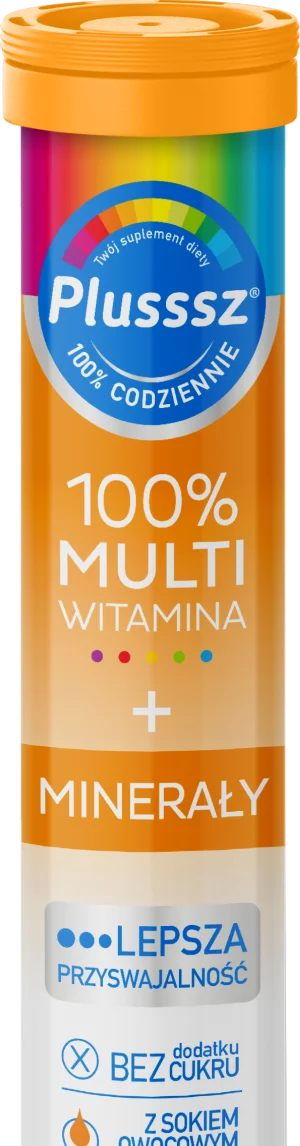
Plusssz UK's electrolyte hydration products are built around exactly these principles: no added sugar, a complete electrolyte profile, and formulations designed for improved nutrient assimilability. For parents whose children are regularly active, having a product that meets all three criteria removes the need to compromise. You can explore the full range at Plusssz UK.
Children can benefit from electrolyte drinks during sustained physical activity from around age 6 upwards. The key is choosing a product formulated without added sugar, without caffeine, and with electrolyte levels appropriate for a child's smaller body mass. Products designed for adult athletes are not appropriate for young children.
Plain water is adequate for low-intensity activity lasting under 45 minutes. Once sessions extend beyond an hour, or involve high-intensity effort, sweating causes meaningful sodium, potassium, and magnesium losses that water alone cannot replace. In those situations, a no-added-sugar electrolyte drink is the better choice.
The most reliable indicator is urine colour. Pale straw-coloured urine before and within two hours after activity indicates adequate hydration. Dark yellow or amber urine signals that fluid intake needs to increase. Thirst alone is not a reliable guide because children often report thirst only after mild dehydration has already set in.
Yes, a condition called hyponatraemia can occur when children consume excessive amounts of plain water without replacing the sodium lost through sweat. This effectively dilutes blood sodium to dangerous levels. It is rare in typical junior sport contexts but is a reason why electrolyte-containing drinks are safer than unlimited plain water during prolonged high-intensity sessions.
Many mainstream sports drinks are technically safe in small quantities but are not optimal for children. High sugar content, typically 15 to 25 g per 500 ml serving, makes them inappropriate for regular use. If you are choosing a drink for a child who trains three or more times per week, a purpose-formulated no-added-sugar electrolyte product is a significantly better option than a mainstream isotonic drink from a supermarket shelf.
Magnesium supports muscle relaxation, reduces the risk of cramping, and contributes to energy production during exercise. Growing children have higher magnesium requirements relative to their body weight than adults, and deficiency is more common than most parents realise. An electrolyte product that includes magnesium in a bioavailable form addresses this gap directly.
Yes, but not in the way most people assume. Cold weather suppresses thirst more than warm weather does, which means children are less likely to drink voluntarily during winter sport even though fluid losses from physical exertion remain significant. Heated indoor sports facilities in winter can produce sweat rates comparable to outdoor summer activity. Scheduled drink breaks matter just as much in January as they do in July.
What hydration habits have worked best for your active child? Share your experience or questions in the comments below.