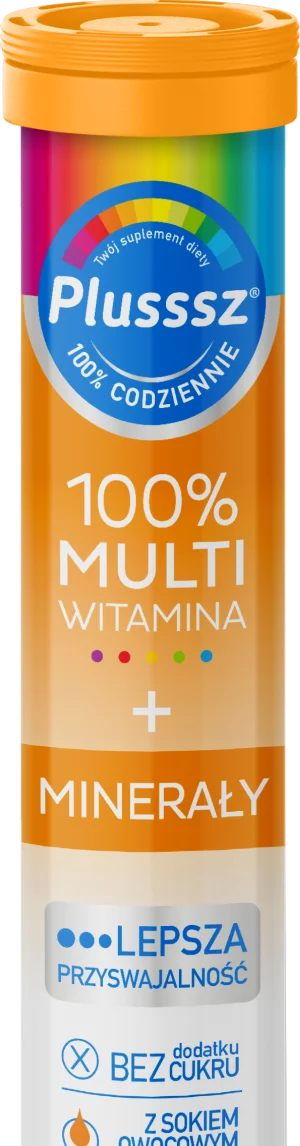
Research from the British Dietetic Association estimates that up to 27% of UK women of reproductive age are iron deficient, yet most general multivitamins still supply doses calibrated for sedentary adults. For women who train regularly, that gap is not a minor inconvenience. It directly limits oxygen delivery, recovery speed, and long-term bone integrity. Iron for women athletes is arguably the most under-addressed performance variable in women's sport nutrition, but it does not stand alone. Folate and vitamin D work alongside iron in ways that make addressing each nutrient in isolation largely pointless.
Key Insight |
Explanation |
|---|---|
Iron losses are higher in female endurance athletes |
Foot-strike hemolysis, sweat losses, and menstrual blood loss can increase daily iron needs by 30-70% above standard RDA values for active women. |
Ferritin, not hemoglobin, is the marker that matters first |
Hemoglobin can appear normal while ferritin is already critically low, meaning performance suffers well before a clinical anemia diagnosis arrives. |
Folate supports red blood cell maturation, not just fetal development |
Without adequate folate, the body cannot produce enough healthy red blood cells, compounding any iron shortfall and reducing aerobic capacity directly. |
Vitamin D deficiency affects over 40% of UK adults in winter months |
According to NHS data, the UK's northern latitude means UVB exposure is insufficient for vitamin D synthesis from October through March, making supplementation non-negotiable for most active women. |
Vitamin D supports muscle function and immune resilience alongside bone health |
Receptors for vitamin D exist in muscle tissue. Low levels correlate with increased injury risk, slower recovery, and more frequent illness-related training interruptions. |
Calcium-rich foods and iron supplements should be separated by at least two hours |
Calcium actively competes with iron for intestinal absorption. Timing supplementation away from dairy-heavy meals is one of the simplest and most overlooked adjustments an active woman can make. |
A no-added-sugar electrolyte formulation matters when combining these micronutrients |
Sugar spikes can elevate hepcidin, a hormone that blocks iron absorption. Plusssz electrolyte products are formulated without added sugar, which is relevant context for women managing both hydration and iron status simultaneously. |

The sports nutrition industry spent decades building its evidence base predominantly on male subjects. The result is a reference frame for "normal" nutrient requirements that does not accurately reflect the physiology of a woman who trains five times a week, manages a menstrual cycle, and may be approaching perimenopause.
In practice, active women face three compounding pressures that men simply do not. Monthly blood loss raises baseline iron demand. Hormonal fluctuations across the cycle affect folate utilisation and vitamin D receptor sensitivity. Lower average body mass combined with proportionally higher training volumes means micronutrient depletion occurs faster and manifests in performance earlier.
A common mistake made by active women is assuming that a standard multivitamin purchased from a supermarket addresses these gaps. Most generic formulations are dosed for sedentary reference adults, contain poorly absorbable forms of key minerals, and do not account for the interaction effects between nutrients that become critical during repeated training blocks. This is precisely the gap that products designed with active demographics in mind, such as the women-specific formulations at Plusssz multivitamins for women, are built to address.
The data consistently shows that iron deficiency without anemia, sometimes called non-anaemic iron deficiency, is the more prevalent and more athletically damaging condition. Serum ferritin levels below 30 micrograms per litre correlate with measurable reductions in VO2 max, increased perceived exertion, and impaired thermoregulation, all before a blood test would flag anemia.
Running athletes face a specific mechanism called foot-strike hemolysis, where red blood cells are physically ruptured by the repeated impact of the foot against the ground. Swimmers and cyclists are not immune either. Intense exercise elevates interleukin-6, which triggers hepcidin release, and hepcidin directly suppresses iron absorption from the gut for up to 24 hours post-exercise.
This means that timing an iron supplement immediately after a hard training session is counterproductive. The body's own post-exercise hormonal response actively blocks absorption. The better practice, supported by research from the Journal of Applied Physiology, is to take iron supplements in the morning on an empty stomach or at least three hours away from the most intense training session of the day.
Haem iron from red meat, liver, and fish is absorbed at roughly 15-35% efficiency. Non-haem iron from plant sources such as spinach, lentils, and fortified cereals sits at 2-20% depending on co-consumed factors. Women following plant-forward or vegetarian diets are at significantly elevated risk and require 1.8 times the standard RDA according to guidance from the Institute of Medicine.
Vitamin C dramatically improves non-haem absorption, with studies showing up to a 67% increase when consumed alongside an iron-rich meal. This is one reason why a well-designed electrolyte supplement that includes vitamin C as part of its formulation adds real-world value beyond simple hydration.
Pro tip: If you train in the morning, take your iron supplement at least 30 minutes before your session or move it to the evening, separated from any calcium-containing food by two hours. This single timing adjustment can increase iron absorption efficiency by a clinically meaningful margin.
Folate has been almost entirely captured by pregnancy messaging in public health communications, which has created a blind spot for active women who are not pregnant. The reality is that folate is a critical co-factor in DNA synthesis, red blood cell production, and the repair of exercise-induced cellular damage. Every woman who trains hard needs consistent, adequate folate intake regardless of reproductive intent.
Without sufficient folate, the body cannot complete the normal maturation of red blood cells. The result is megaloblastic anemia, where large, immature red blood cells circulate but carry oxygen poorly. This condition is mechanistically distinct from iron-deficiency anemia but produces overlapping symptoms: fatigue, breathlessness during exercise, and reduced training tolerance.
The interaction with iron is direct. Iron is required to produce hemoglobin. Folate is required to produce the red blood cells that carry hemoglobin. Correcting iron alone while ignoring folate is like filling a car's fuel tank while leaving the engine fault unaddressed. Both must be adequate for the system to work.
Approximately 40% of the population carries a variant in the MTHFR gene that reduces the body's ability to convert folic acid (the synthetic form) into the active form, 5-methyltetrahydrofolate. For these individuals, standard folic acid supplementation is significantly less effective. Methylfolate, also labelled as 5-MTHF, bypasses this conversion step entirely and is the superior form for supplementation in women who have any reason to suspect poor conversion.
This distinction matters when evaluating supplements. A formulation listing methylfolate or 5-MTHF as its folate source demonstrates a higher level of formulation intent than one listing simple folic acid.

The UK sits between 50 and 60 degrees north latitude. From October to March, the sun angle is too low to trigger meaningful vitamin D synthesis in the skin regardless of time spent outdoors. The NHS recommends that everyone in the UK consider a 10 microgram (400 IU) daily supplement during autumn and winter. That recommendation, however, was built for general population health maintenance, not for the demands of regular athletic training.
The 400 IU figure was designed to prevent rickets and severe deficiency in the general population. Sports science literature, including a 2020 review in the British Journal of Sports Medicine, indicates that athletes may need 1,500 to 2,000 IU daily to maintain serum 25-hydroxyvitamin D levels above the functional threshold of 50 nmol/L consistently across a full year of training.
Vitamin D receptors are expressed in skeletal muscle, cardiac muscle, and immune cells. Low vitamin D levels are independently associated with increased stress fracture risk, which is a significant concern for female distance runners given the interaction with lower average bone density. The data consistently shows a higher incidence of tibial stress fractures among female athletes with 25(OH)D below 40 nmol/L compared to those maintaining levels above 75 nmol/L.
Vitamin D3 (cholecalciferol) raises serum 25(OH)D approximately twice as effectively as D2 (ergocalciferol) and maintains higher circulating levels for longer. There is no reason to choose D2 over D3 in a supplement formulation intended for active individuals. Any product that defaults to D2 is making a formulation compromise that active women should not accept.
Vitamin D3 also requires magnesium as a cofactor for its conversion to the active hormonal form. This is another reason why electrolyte formulations that include magnesium alongside vitamin D represent a more coherent approach than single-nutrient supplementation for women managing multiple training demands. Plusssz electrolyte hydration products are formulated with this kind of co-factor logic in mind, differentiating them from basic hydration tabs that treat electrolytes as flavour carriers.
Pro tip: Test your 25-hydroxyvitamin D level via a simple finger-prick blood test available from UK services like Medichecks or through your GP. A result below 50 nmol/L in a training athlete warrants a therapeutic dose of 2,000 IU D3 daily, not the standard population maintenance dose of 400 IU.
Treating these three nutrients as separate concerns is the most common structural error in women's sports nutrition. In practice, they form a linked system where deficiency in one magnifies the impact of shortfalls in the others.
Vitamin D has been shown in several studies to upregulate erythropoiesis, the production of red blood cells, through its action on bone marrow. This means that low vitamin D can indirectly worsen an iron-related anemia picture even when iron and folate intake is technically adequate. Conversely, correcting iron without addressing vitamin D may leave an athlete still performing below her aerobic potential.
Folate works downstream from both. Once iron and vitamin D have supported red blood cell production at the bone marrow level, folate is required to complete the final stages of red blood cell maturation. Skipping any one of these three creates a bottleneck.
"Micronutrient deficiencies in female athletes are frequently multi-factorial. Addressing iron alone, while ignoring vitamin D status and folate adequacy, results in only partial resolution of performance-limiting physiology." - Dr. Nicky Keay, British Journal of Sports Medicine contributor and exercise endocrinology specialist.
The practical implication for active women is that a multivitamin formulation designed specifically for women, one that combines bioavailable iron, methylfolate, and D3 in appropriate doses, is more rational than assembling three separate single-nutrient supplements purchased from different brands. The Plusssz women's multivitamin range at plusssz.co.uk is built around this co-formulation logic.
Not all approaches to addressing these three nutrients carry the same practical value. The table below compares three common strategies based on their real-world application for active women in the UK.
Approach |
Strengths |
Weaknesses |
|---|---|---|
Generic supermarket multivitamin |
Low cost, widely available, convenient single tablet |
Uses poorly absorbable forms (ferrous sulfate, folic acid, D2), dosed for sedentary reference adults, no electrolyte support, contains fillers and often added sugars |
Three separate single-nutrient supplements (iron, folate, D3) |
Allows precise individual dosing, easier to adjust based on test results |
No co-factor consideration, expensive when combined, pill burden is high, easy to create competing absorption windows, no integration with hydration or electrolyte needs |
Women-specific active multivitamin (e.g., Plusssz women's formulation) |
Designed for active female physiology, uses bioavailable forms (methylfolate, D3, bisglycinate iron), no added sugar, can be paired with electrolyte hydration products for co-factor support, single coherent system |
Higher cost than basic multivitamins, individual therapeutic needs may still require additional targeted supplementation based on personal test results |
Waiting for textbook symptoms to appear before investigating deficiency is a losing strategy for athletes. Performance degradation arrives well before clinical deficiency. Fatigue during sessions that previously felt manageable, a resting heart rate trending upward without illness, mood changes in the week before menstruation becoming more pronounced, and hair thinning are all early signals worth taking seriously.
The minimum useful panel for an active woman includes: serum ferritin (not just hemoglobin), full blood count, serum folate, and 25-hydroxyvitamin D. Many UK GPs are reluctant to test all four at once without clinical symptoms. Private testing through services like Medichecks or Thriva provides a complete panel for under £70 and gives far more actionable data than a hemoglobin-only result.
Ferritin below 30 micrograms per litre warrants intervention even in the absence of anemia. Vitamin D below 50 nmol/L requires a therapeutic rather than maintenance dose. Serum folate below 7 nmol/L suggests inadequate intake or absorption and should prompt a switch to methylfolate if not already in use.
The highest iron demand occurs during high-volume training blocks and immediately after heavy menstrual periods. Monitoring fatigue subjectively during these windows and pre-emptively increasing dietary iron intake and vitamin C co-consumption is more effective than reactive supplementation after performance has already dropped.
Vitamin D testing is most useful in September, before the UK winter deficit begins, and again in March to assess how much the winter months have depleted stores. Women who supplement consistently at 1,000 to 2,000 IU D3 daily from October through April generally maintain levels above the functional threshold throughout the year without needing to escalate to higher therapeutic doses.
The UK RDA for iron in adult women is 14.8 mg per day. For female endurance athletes, particularly runners, the effective requirement is estimated at 19-26 mg per day due to sweat losses, foot-strike hemolysis, and menstrual blood loss. Women following plant-based diets face a further adjustment because non-haem iron absorption is significantly lower. Testing serum ferritin is more useful than calculating dietary intake alone.
Yes, and it matters. Folic acid is the synthetic form that requires conversion via the MTHFR enzyme before the body can use it. Folate, particularly in the methylfolate or 5-MTHF form, is already in the biologically active state. Women with common MTHFR gene variants, which affect roughly 40% of the population, convert folic acid poorly. Methylfolate bypasses this limitation entirely, making it the more reliable choice in a supplement formulation for active women.
Not reliably. Very few foods contain meaningful amounts of vitamin D. Oily fish, egg yolks, and fortified dairy or plant milks provide small amounts, but reaching 1,000 IU daily from food sources alone would require unrealistically large portions. For UK-based active women, particularly from October through March, dietary sources are insufficient and supplementation with D3 is the only practical way to maintain adequate serum levels.
Both, but the timing on training days matters significantly. Post-exercise hepcidin release suppresses iron absorption for up to 24 hours after intense exercise. Taking iron first thing in the morning before a training session, or on the evening of a rest day, maximises absorption efficiency. Pairing iron with 200-500 mg of vitamin C and separating it from calcium-containing foods by at least two hours amplifies uptake further.
It depends on the formulation. Electrolyte products containing calcium at high doses can interfere with concurrent iron absorption. However, no-added-sugar electrolyte formulations that include magnesium, such as the Plusssz electrolyte range, actually support vitamin D activation since magnesium is a required co-factor for converting vitamin D to its active hormonal form. Choosing electrolyte products with co-factor awareness built into the formula is worth prioritising over basic single-salt hydration tabs.
Iron bisglycinate is consistently the best-tolerated and most bioavailable form for supplementation. It is absorbed at a higher rate than ferrous sulfate and produces significantly fewer gastrointestinal side effects. Ferrous fumarate is a reasonable second option. Ferric iron forms are the least bioavailable and should be avoided. If a supplement lists iron without specifying the form, that is a sign of formulation quality that warrants scrutiny.
If you have adjusted iron, folate, or vitamin D intake based on any of the information here, share what worked or what surprised you in your approach. Real-world experience from active women helps build a sharper picture than population averages alone.