Most people finish a hard training session, drink some water, and wonder why their legs still feel like concrete the next morning. The answer is rarely just dehydration. Post-workout recovery electrolytes and targeted vitamins do work that plain water simply cannot. Research published by the American College of Sports Medicine confirms that muscle repair after exercise depends on replenishing sodium, potassium, magnesium, and calcium within the first 30 to 60 minutes post-session, not hours later. If you are training more than three times per week and still relying on water alone, you are leaving performance on the table.
Key Insight |
Explanation |
|---|---|
Electrolytes drive cellular rehydration |
Sodium and potassium regulate fluid movement into muscle cells. Without them, water consumption alone fails to restore intracellular hydration after intense exercise. |
Magnesium is the most overlooked recovery mineral |
Magnesium supports over 300 enzymatic reactions including protein synthesis and muscle relaxation. UK dietary surveys show roughly 70% of active adults fall short of the 375mg daily reference intake. |
Vitamin D accelerates muscle protein synthesis |
Low Vitamin D status is directly linked to impaired muscle recovery and increased injury risk. This is especially relevant in the UK where sunlight exposure is insufficient for most of the year. |
The 30-60 minute post-exercise window is real |
Glycogen resynthesis and muscle protein synthesis rates are significantly elevated in the first hour after training. Delaying nutrient intake past 90 minutes reduces recovery efficiency measurably. |
B vitamins fuel energy metabolism during repair |
B6, B12, and folate are required for amino acid metabolism and red blood cell production. Both are depleted faster in athletes compared to sedentary individuals. |
No-added-sugar formulas matter for body composition |
Many commercial recovery drinks contain 20 to 40g of added sugar per serving. For body-composition-focused athletes, choosing sugar-free electrolyte blends prevents unnecessary caloric loading post-session. |
One-size-fits-all formulas underserve key demographics |
Iron requirements for active women differ from those of men. Seniors need higher Vitamin D and B12. Using a formulation matched to your demographic produces measurably better outcomes. |

When you exercise, your body loses electrolytes through sweat at a rate that varies significantly between individuals. A moderate one-hour session can result in losses of 500mg to 2,000mg of sodium, 200mg to 600mg of potassium, and up to 100mg of magnesium. These are not trivial numbers, and they explain why muscle cramps, fatigue, and poor concentration follow workouts where only water is consumed.
Electrolytes are electrically charged minerals that control nerve signaling, muscle contraction, and fluid balance across cell membranes. After training, restoring these minerals is a prerequisite for muscle repair, not an optional extra. Sodium and chloride must be present for cells to absorb water effectively. Without adequate sodium, you can drink liters of water and still feel dehydrated at the cellular level.
Sodium pulls water into cells through osmosis, while potassium maintains the electrical potential needed for muscle fibers to contract and relax properly. In practice, a recovery drink that omits potassium in favor of sodium alone will rehydrate the blood but leave muscle cells partially depleted. The ratio matters: most sports science literature supports a sodium-to-potassium ratio in the range of 2:1 to 3:1 for post-exercise recovery drinks.
Calcium triggers muscle contraction. Magnesium triggers release. When magnesium is depleted, muscles stay in a partially contracted state, which is exactly what causes the tight, sore feeling that persists into the next day. Supplementing with magnesium in bioavailable forms such as magnesium citrate or malate, rather than cheaper magnesium oxide, produces noticeably faster reduction in post-exercise muscle tension.
Pro tip: If you consistently wake up with tight calves or hamstrings after training days, magnesium deficiency is almost certainly a factor. A daily intake of 300 to 400mg from a quality electrolyte supplement addresses this more reliably than any stretching routine alone.
The phrase "muscle repair vitamins" gets thrown around loosely, but the specific micronutrients that matter for post-exercise recovery are well-established. Vitamin C, Vitamin D, B-complex vitamins, and zinc are the four categories with the strongest evidence base for supporting repair after training. Each operates through a distinct mechanism.
Vitamin C is a cofactor in collagen synthesis, the process by which your body repairs connective tissue including tendons, ligaments, and the structural matrix of muscle fibers. A 2019 study published in the American Journal of Clinical Nutrition found that consuming 500mg of Vitamin C before exercise increased collagen synthesis markers by 50% compared to placebo. For runners and gym-goers who put repeated stress on joints and connective tissue, this is a direct recovery advantage.
Vitamin D deficiency is endemic in the UK, with Public Health England data showing that approximately 1 in 5 adults has low Vitamin D status. For active individuals, this matters more than for the general population because Vitamin D receptors are present in muscle tissue and directly regulate the rate of muscle protein synthesis. Athletes with Vitamin D levels below 50 nmol/L show measurably slower recovery times and higher injury rates compared to those with optimal levels of 75 to 125 nmol/L.
Zinc is required for testosterone production, which is the primary hormonal driver of muscle repair and growth in both men and women. Sweat-based zinc losses during training are significant, particularly in endurance athletes. Supplementing 10 to 25mg of zinc post-workout has been shown to maintain the testosterone-to-cortisol ratio that supports anabolic recovery rather than catabolic breakdown.
"Micronutrient deficiencies are far more common in athletes than in sedentary individuals, precisely because training increases both demand and excretion of key vitamins and minerals." - Dr. Ron Maughan, Professor of Sport and Exercise Nutrition, Loughborough University
B6 and B12 are essential for amino acid metabolism, which means they are directly involved in how efficiently your body rebuilds muscle protein after it has been broken down during exercise. Folate works alongside B12 to support red blood cell production, which determines how much oxygen your recovering muscles receive. A multivitamin complex that includes the full B-complex is not a luxury. For anyone training more than four times per week, it is a maintenance requirement.
Pro tip: B vitamins are water-soluble and cannot be stored in significant quantities. Taking a B-complex supplement on rest days as well as training days maintains the baseline needed for continuous repair, not just acute recovery.
The concept of a post-exercise "anabolic window" has been debated, but the evidence for timing electrolyte and vitamin intake is clearer than the debate around protein alone. Muscle glycogen resynthesis is fastest in the first 30 minutes after exercise, and this process requires both carbohydrates and electrolytes to work efficiently. Missing this window does not ruin your recovery entirely, but it does slow it down in ways that compound across a week of training.
The practical recommendation supported by sports dietitians is to consume electrolytes within 30 minutes post-session and complete your vitamin intake with a meal within 90 minutes. This is not rigid dogma. It is a practical framework based on known physiological rates of glycogen synthesis and protein turnover.
A commonly missed strategy is taking a low-dose magnesium supplement in the evening. Most muscle protein synthesis occurs during sleep, and magnesium plays a role in both sleep quality and overnight repair. Athletes who add evening magnesium to their routine consistently report better sleep quality and reduced next-day soreness, two outcomes that directly affect subsequent training performance.
Not all recovery supplements are built the same, and the differences matter depending on your training volume, goals, and demographic. The table below compares the three most common approaches to post-workout recovery supplementation used by UK athletes.
Approach |
What It Covers |
Key Limitation |
|---|---|---|
Standalone Electrolyte Tablet or Drink (e.g., ORS Hydration, High Five Zero) |
Replaces sodium, potassium, and chloride lost through sweat. Good for rehydration after moderate-intensity sessions under 90 minutes. |
Provides no micronutrient support for muscle repair. Does not address Vitamin D, B12, magnesium, or zinc deficiencies common in UK athletes. |
Generic Multivitamin (e.g., supermarket own-brand) |
Covers a broad range of vitamins and minerals at RDA levels. Convenient and inexpensive. |
Not formulated for the elevated demands of active individuals. Often uses poorly absorbed mineral forms such as magnesium oxide. Rarely contains performance-relevant electrolyte ratios. |
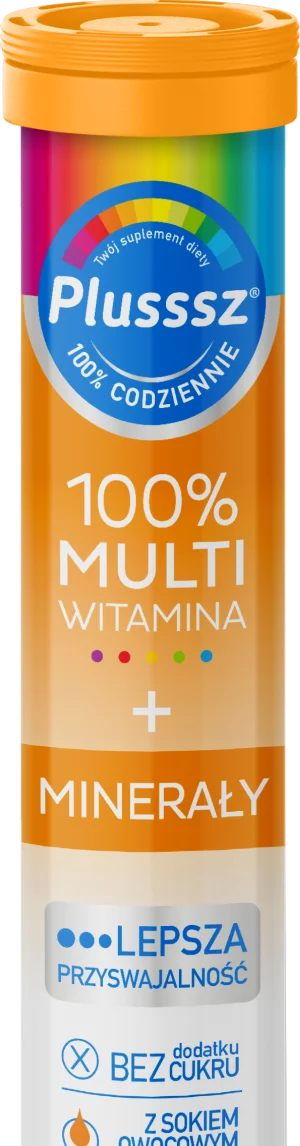
Targeted Electrolyte-plus-Multivitamin Complex (e.g., Plusssz formulations) |
Combines sport-relevant electrolyte ratios with bioavailable vitamin and mineral forms. Demographic-specific versions available for women, men, and seniors. No added sugar. |
Requires consistent daily use to deliver cumulative benefit. Not a one-session fix. Investment is higher than basic options but cost-per-outcome is lower over time. |
The data consistently shows that combining electrolyte replenishment with targeted micronutrient support produces better recovery outcomes than either approach alone. This is not a commercial argument. It reflects the biochemical reality that muscle repair is a multi-pathway process requiring both mineral rehydration and enzymatic cofactors simultaneously.
A common mistake is treating hydration and nutrition as separate recovery tasks to be addressed at different times. In practice, the muscle repair cascade begins the moment training stops, and it requires both fluid-electrolyte balance and micronutrient availability to proceed at full capacity. Separating them by hours reduces the efficiency of both.
Yes, you can get potassium from bananas and magnesium from spinach. But the quantities required after a hard training session, particularly if you are a heavy sweater, cannot realistically be met through food intake in the 30-minute recovery window. A large banana contains approximately 420mg of potassium. A post-session electrolyte drink can deliver 400mg of potassium, 500mg of sodium, and 100mg of magnesium in a format your body absorbs within 15 to 20 minutes.
Active women have higher iron requirements than men, particularly during menstruation, and are more vulnerable to iron-deficiency fatigue that masks as overtraining. Seniors face accelerated Vitamin B12 malabsorption and higher Vitamin D needs due to reduced skin synthesis efficiency. Using a gender or age-matched formulation is not marketing. It is applying known physiological differences to supplement design.
After a 45-minute strength session, your glycogen depletion is partial, not complete. Consuming a 40g sugar recovery drink is unnecessary and counterproductive if your goal includes body composition management. A no-added-sugar electrolyte complex replenishes what was lost without the caloric surplus.
The UK recovery supplement market has expanded significantly in recent years, but most products still fall into one of two inadequate categories: pure electrolyte drinks that ignore micronutrient repair, or generic multivitamins that ignore the specific demands of training. The gap between what athletes need and what most products deliver is real.
When evaluating any recovery supplement UK option, apply these four criteria. First, check the mineral forms used. Magnesium citrate, potassium gluconate, and zinc bisglycinate are significantly more bioavailable than their oxide and sulfate counterparts. Second, confirm the product is free from added sugar, particularly if you train for body composition goals. Third, look for demographic-specific formulations rather than universal blends. Fourth, check whether the Vitamin D level is meaningful. A product containing 200 IU of Vitamin D is essentially decorative. An effective dose for active UK adults is 1,000 to 2,000 IU daily.
Plusssz has built its formulations around exactly these criteria, offering electrolyte hydration products and multivitamin complexes designed for the specific needs of active individuals across different demographics. If a friend recommended Plusssz to you, the reason is likely that they noticed a tangible difference in how quickly they recover between sessions, not because of a flashy label.
Pro tip: When comparing two recovery supplements, ignore the front-of-pack claims entirely and go straight to the supplement facts panel. The bioavailability of the mineral forms listed there tells you more about real-world effectiveness than any marketing copy will.
The four electrolytes with the strongest evidence for post-workout recovery are sodium, potassium, magnesium, and calcium. Sodium and potassium handle fluid rehydration at the cellular level. Magnesium and calcium manage muscle contraction and relaxation. A quality electrolyte supplement should contain all four in bioavailable forms and in ratios that reflect actual sweat composition.
Yes, but the effect is mechanism-specific. Vitamin C supports collagen and connective tissue repair. Vitamin D supports muscle protein synthesis. B vitamins support amino acid metabolism and energy substrate restoration. Zinc supports the testosterone-mediated anabolic response. None of these replace rest or adequate protein intake, but deficiencies in any of them measurably slow the repair process.
Within 30 minutes is the evidence-based recommendation. Muscle glycogen resynthesis is fastest in this window and requires electrolytes to proceed efficiently. Consuming electrolytes immediately post-session rather than hours later produces faster restoration of muscle cell hydration and reduces next-session fatigue. This is one time-related recommendation that the data genuinely supports.
Yes. Active women have higher iron requirements and are more prone to magnesium depletion, partly due to hormonal fluctuations across the menstrual cycle. Women also tend to lose less sodium per unit of sweat than men but are more sensitive to hyponatremia from over-hydration with plain water. A supplement formulated specifically for active women addresses these differences rather than applying male-centric averages to female physiology.
For most people training three or more times per week, the answer is yes. A balanced diet provides adequate micronutrients for a sedentary or lightly active individual. But training increases sweat-based losses, elevates metabolic demand for B vitamins and zinc, and accelerates Vitamin D requirements above what diet alone can reliably supply, particularly in the UK where sunlight synthesis is limited for most of the year. Food first is good advice. Food only is insufficient for serious training loads.
For moderate-intensity sessions lasting under 90 minutes, the glycogen depletion does not require the 40 to 60g of sugar found in many commercial sports drinks. Consuming unnecessary sugar post-workout adds caloric load without improving recovery outcomes in these scenarios. A no-added-sugar electrolyte formula delivers the minerals needed for cellular rehydration and muscle relaxation without the surplus energy intake that works against body composition goals.
What has made the biggest difference to your own post-workout recovery? Share your experience so others in this community can benefit from what is actually working.