Most UK athletes underestimate how quickly dehydration hits during summer training. Research from Public Health England shows that losing just 2% of body weight through sweat impairs both physical and cognitive performance significantly. The problem is that British summers are unpredictable, humidity levels spike without warning, and the average outdoor session in July or August demands far more fluid than your usual winter run. Whether you are cycling through the Cotswolds or doing interval sprints at your local track, summer hydration UK strategy needs to be deliberate, not an afterthought. This guide covers exactly what works, what does not, and how to build a session-by-session routine that keeps you performing at your best.
Key Insight |
Explanation |
|---|---|
2% dehydration equals measurable performance drop |
Even mild fluid loss impairs speed, power output, and focus. UK summer sessions push you past this threshold faster than most people realise. |
Plain water is not enough for sessions over 45 minutes |
Without sodium and potassium replacement, muscles cramp and recovery slows. Electrolyte formulas specifically address this gap. |
Pre-loading with fluid 2 hours before training is more effective than drinking during |
Starting a session already hydrated reduces the burden on your gut to absorb fluids mid-effort. |
UK humidity amplifies dehydration risk even on cooler days |
A 20°C day with 80% humidity causes sweat rates similar to a 28°C dry day. Temperature alone is a misleading guide. |
No-added-sugar electrolyte products outperform sugary sports drinks for sustained output |
High sugar drinks cause an osmotic drag in the gut, slowing fluid absorption. Lower sugar or sugar-free formulations absorb faster. |
Urine colour is your most reliable real-time hydration indicator |
Aim for pale straw yellow before and after every session. Dark amber means you are already behind. |
Seniors and women have higher dehydration risk during summer exercise |
Hormonal fluctuations and reduced thirst sensitivity mean these groups need to hydrate proactively, not reactively. |

There is a persistent belief among UK athletes that summer here is mild enough to ignore aggressive hydration planning. That belief is costing people performance. A common mistake is assuming that because it is not 35°C in Spain, the hydration rules do not apply with the same urgency on a British summer day.
The UK Met Office data confirms that average summer humidity in southern England regularly sits above 70% in July and August. High humidity means sweat does not evaporate efficiently from your skin, so your core temperature stays elevated for longer, and your body continues producing sweat at high rates even after you slow down. The result is that a 60-minute run at 22°C with 75% humidity in Surrey generates sweat losses comparable to a harder effort in much drier Mediterranean heat.
In practice, most athletes training outdoors in the UK summer lose between 0.5 and 1.5 litres of fluid per hour depending on intensity, body size, and individual sweat rate. Heavier athletes and those performing high-intensity interval training sit at the upper end of that range. If your fluid intake strategy is built around taking one sip from a bottle every 20 minutes, you are operating in a deficit from kilometre one.
Pro tip: Check the Met Office humidity forecast alongside temperature before every summer outdoor session. On days where humidity exceeds 75%, plan to increase your fluid intake target by at least 20% compared to your standard session plan.
Understanding your individual sweat rate transforms hydration from guesswork into a system. The calculation is straightforward. Weigh yourself without clothes before and after a one-hour training session without drinking. Each kilogram of weight lost represents approximately one litre of fluid lost through sweat. This single test gives you a personalised baseline that no generic advice can match.
Beyond fluid volume, sweat also carries a significant mineral load. Research published in the Journal of Athletic Training shows that the average athlete loses between 920 and 1,400 milligrams of sodium per litre of sweat, alongside smaller but meaningful amounts of potassium, magnesium, and chloride. Replacing fluid alone, without replacing these electrolytes, leaves you at risk of hyponatraemia on long efforts and general muscle fatigue on shorter ones.
Sodium is the primary electrolyte controlling how much fluid your body retains. When sodium levels drop, your kidneys excrete more water rather than holding it in your bloodstream where it is needed. This explains why some athletes drink constantly during a summer session but still feel dizzy, tired, or cramped by the end.
The data consistently shows that electrolyte-containing drinks significantly outperform plain water for fluid retention during exercise lasting more than 45 minutes. A no-added-sugar electrolyte formula that delivers 500 to 700 milligrams of sodium per litre of fluid is the practical target for most summer training sessions in the UK.
Most sports hydration conversations fixate on sodium and ignore magnesium and potassium. Both are critical. Potassium supports muscle contraction and nerve signalling, while magnesium plays a direct role in reducing post-exercise muscle soreness and supporting quality sleep, which is essential for adaptation. Athletes training multiple times per week in summer heat should not treat these as optional extras.
"Electrolyte imbalance, not just dehydration, is frequently the hidden cause of mid-session performance collapse in endurance athletes. Fluid intake alone does not solve an electrolyte deficit." - American College of Sports Medicine, Position Stand on Exercise and Fluid Replacement
The single most impactful hydration habit you can build for summer training has nothing to do with what happens during your session. It is what you do in the two hours before you start. Beginning a session already dehydrated means you are chasing a deficit from the first minute, and the gut simply cannot absorb fluid fast enough during hard exercise to catch up.
The practical approach is to consume 500 to 600 millilitres of fluid containing electrolytes two hours before training. This window gives your kidneys time to regulate fluid balance and your gut time to absorb without creating a sloshing sensation during the session. Water alone works less well here because without electrolytes, your kidneys pass more of it as urine before it has a chance to hydrate your tissues.
An electrolyte drink with sodium, potassium, and magnesium dissolved in water is the most effective pre-session option. Avoid caffeine-heavy pre-workout drinks as a hydration tool since caffeine is a mild diuretic and counters the fluid-retention effect of electrolytes in the pre-training window. If you want caffeine for performance, take it separately and account for the additional fluid it draws from your system.
Foods with high water content, such as watermelon, cucumber, or a bowl of porridge made with milk, also contribute meaningfully to pre-session hydration and are worth including in a summer training breakfast if your session is in the morning.
Pro tip: Check your urine colour first thing in the morning on every training day. If it is dark yellow or amber, add an electrolyte serving to your morning routine before you even think about breakfast. Starting the day behind means starting your session behind.
Hydration hot weather exercise strategy during a session comes down to two principles: drink to thirst on shorter sessions and drink to a plan on longer ones. For efforts under 45 minutes, most trained athletes can tolerate a degree of fluid loss without meaningful performance impact, provided they started the session well-hydrated. For anything over 45 minutes, a planned drinking schedule outperforms thirst alone.
A practical rule for summer UK sessions is to target 150 to 200 millilitres of fluid every 15 to 20 minutes during moderate to hard efforts. This equates to roughly one standard 500 millilitre bottle per hour at minimum, with increases for high intensity or very humid conditions. The mistake many athletes make is waiting until they feel thirsty to drink. By the time thirst registers, you are already approximately 1% dehydrated, and performance decline is beginning.
For runners and cyclists doing summer sessions lasting over 90 minutes, a hydration vest or a bike-mounted multi-bottle setup is not optional, it is basic equipment. The inconvenience of carrying more fluid is trivial compared to the performance and safety cost of running dry in July heat. If your route includes water refill points, know exactly where they are before you leave.

Muscle cramps, a feeling of heaviness in the legs, reduced coordination, and a noticeable drop in your ability to maintain target pace or power are all early dehydration signals during hot weather exercise. Headache appearing mid-session is a clear warning sign. If you experience any of these, slow down, drink, and do not attempt to push through at full effort. The session is already compromised and the priority shifts to safe completion.
Recovery hydration is the most consistently neglected part of a summer training plan. Most athletes drink something immediately after finishing, feel better within ten minutes, and assume the job is done. In practice, full rehydration after a hard summer session takes between two and four hours and requires more fluid than most people consume.
The standard recommendation from sports science is to consume 1.2 to 1.5 litres of fluid for every kilogram of body weight lost during the session. If your sweat rate test showed a one-kilogram loss over an hour, you need to drink between 1.2 and 1.5 litres in the hours following training to fully restore fluid balance, not just match the deficit.
Why Recovery Electrolytes Matter as Much as Recovery Fluid
Drinking large volumes of plain water post-session dilutes blood sodium, which actually suppresses thirst and accelerates urinary fluid excretion. This is counterproductive when you are trying to rehydrate. An electrolyte drink or a meal containing sodium alongside your recovery fluid is more effective than water alone at restoring hydration status before your next session.
For athletes training twice per day during summer competition periods, or doing back-to-back sessions across consecutive days, post-session electrolyte replacement is particularly important. Arriving at session two already depleted multiplies injury risk and blunts adaptation to training stress.
Plain water is sufficient for low-intensity activity lasting under 30 minutes in mild conditions. For virtually everything else in a UK summer training context, it is an incomplete solution. The distinction is not about brand loyalty or marketing. It comes down to absorption mechanics and electrolyte physiology.
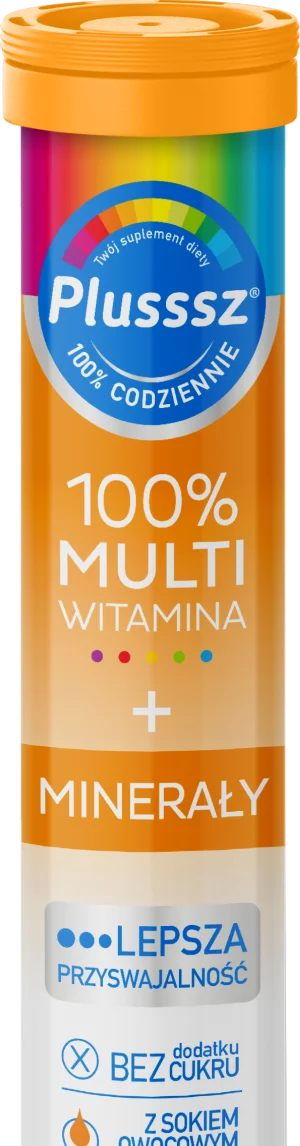
Water absorbs across the gut wall via osmosis. Sodium in solution actively speeds up that transport mechanism by stimulating co-transporter proteins in the intestinal lining. This is why an electrolyte solution, especially one that is hypotonic (lower osmolarity than blood), absorbs faster than plain water. Products like those from Plusssz UK's electrolyte range are formulated specifically to sit in this hypotonic zone, delivering faster absorption without the sugar load that higher-osmolarity sports drinks carry.
The data consistently shows that high-sugar isotonic drinks, common from several established competitors in the UK market, slow gastric emptying compared to lower-sugar or sugar-free alternatives. For athletes prioritising clean nutrition, a no-added-sugar electrolyte product is the more functional choice for both sports hydration summer sessions and everyday active hydration.
Not all hydration products and strategies deliver equally in UK summer conditions. The table below compares three common approaches athletes use during summer training sessions.
Hydration Approach |
Best Suited For |
Key Limitation in UK Summer Training |
|---|---|---|
Plain water only |
Sessions under 30 minutes in mild temperatures |
No electrolyte replacement. Risk of hyponatraemia on longer efforts. Does not compensate for humidity-driven sweat loss. |
High-sugar isotonic sports drinks (e.g., standard commercial isotonics) |
High-intensity sessions over 60 minutes where carbohydrate fuelling is also needed |
High osmolarity slows absorption. Added sugar increases caloric load. Not suitable for athletes managing body composition during summer training blocks. |
No-added-sugar electrolyte formula (e.g., Plusssz UK electrolyte products) |
Most summer training sessions from 45 minutes upward, including sessions where carbohydrate fuelling comes from food rather than drink |
Requires carbohydrate supplementation separately on very long efforts. Not a standalone fuel source for ultra-endurance events. |
The clearest takeaway from this comparison is that product choice should match session type, not be a one-size-fits-all decision. For the majority of UK athletes doing structured summer training sessions of 45 to 90 minutes, a quality no-added-sugar electrolyte formula handles hydration more effectively than either plain water or a high-sugar sports drink.
Athletes who are training alongside a broader nutrition plan, particularly those using a daily multivitamin complex to cover micronutrient gaps that summer training intensity creates, should also ensure their multivitamin includes magnesium and B vitamins, both of which support energy metabolism during the increased demands of summer training blocks.
Target 150 to 200 millilitres every 15 to 20 minutes during moderate to hard efforts lasting more than 45 minutes. For most adults, this means consuming at least 500 to 600 millilitres per hour during summer outdoor sessions in the UK, increasing to 750 millilitres or more in high humidity or on particularly hot days.
Yes. Overdrinking plain water without electrolyte replacement leads to hyponatraemia, a dangerous drop in blood sodium levels. Symptoms include nausea, headache, confusion, and in severe cases seizures. This risk is highest during very long events such as marathons or sportives where athletes drink more than they sweat. Pairing fluid intake with a sodium-containing electrolyte product significantly reduces this risk.
For sessions under 30 to 40 minutes at low to moderate intensity in mild UK summer conditions, plain water is adequate. Once sessions exceed 45 minutes, intensity rises, or temperatures and humidity climb, electrolyte replacement becomes genuinely important rather than optional. The sports hydration summer guideline is simple: the longer and hotter the session, the more critical electrolytes become.
Cramping when drinking adequate fluid is almost always a sodium and magnesium deficit, not a pure dehydration problem. Plain water does not replace these minerals. Switching from plain water to an electrolyte drink containing sodium, potassium, and magnesium during and after sessions typically resolves this issue within one to two weeks of consistent use.
For hydration purposes, no-added-sugar electrolyte drinks are actually more effective because they have lower osmolarity, meaning fluid moves across the gut wall more efficiently. Where high-sugar drinks hold an advantage is in simultaneous carbohydrate delivery during very high-intensity efforts over 90 minutes. For most summer training sessions focused on hydration rather than fuelling, a no-added-sugar electrolyte formula is the superior choice.
Yes. Seniors experience a reduced thirst sensation as part of normal ageing, meaning they consistently underdrink relative to actual need, especially in summer heat. Women training around hormonal cycle phases also experience fluctuating fluid retention and electrolyte balance. Both groups benefit from proactive scheduled drinking during summer sessions rather than relying on thirst signals, and both groups benefit from electrolyte products that include magnesium given its role in muscle function and sleep quality.
What is your current hydration routine during summer training sessions, and have you found a particular approach that works consistently for you? Share your experience in the comments.