Most athletes lose somewhere between 500mg and 2,500mg of sodium per hour during intense exercise, yet the conversation rarely goes beyond "drink more water." The reality is that water alone does not replace what sweat removes. Sodium, potassium, magnesium form the core trio of key electrolytes in sport, and if any one of them drops below functional levels, your performance follows. This guide breaks down exactly what each mineral does, when deficiency becomes a real problem, and how to address it practically, without guesswork.
Key Insight |
Explanation |
|---|---|
Sodium drives fluid retention |
Without adequate sodium, water consumed during exercise passes through quickly without restoring intracellular hydration. |
Potassium prevents cramping and fatigue |
Low potassium disrupts the electrical signals muscles need to contract and relax, leading to premature fatigue and cramps. |
Magnesium is depleted by sweat and stress |
Athletes lose magnesium through sweat and cortisol production, making deficiency far more common than most people realise. |
Drinking water without electrolytes can make things worse |
Plain water dilutes remaining sodium and potassium further, a condition known as hyponatraemia that can impair coordination and cognition. |
The sodium-potassium pump governs every muscle contraction |
This cellular mechanism requires both minerals in balance. Disrupting either side reduces muscular efficiency directly. |
Magnesium supports sleep and hormone regulation |
Recovery is not just about post-workout nutrition. Low magnesium reduces sleep quality, which compounds performance decline over time. |
No-added-sugar electrolyte formulas matter |
High-sugar drinks spike insulin and can impair fat oxidation during steady-state endurance sessions, making clean formulas a better choice for most athletes. |
Electrolytes are minerals that carry an electrical charge when dissolved in water. Inside the human body, that electrical charge drives everything from nerve impulses to muscle contractions to the movement of water between cells. Without sufficient electrolyte minerals, the body cannot maintain the internal environment that physical performance demands.
The three most important electrolytes for sportspeople are sodium, potassium, and magnesium. Each serves a distinct physiological role, but they do not operate in isolation. Disrupting one affects the others. That interdependence is why a simplistic approach, such as taking a single mineral in isolation or relying only on food sources, often fails athletes who train consistently.
According to the British Nutrition Foundation, athletes and physically active individuals have significantly higher electrolyte requirements than sedentary adults, particularly during prolonged or high-intensity sessions. The gap between requirement and intake is where problems begin.
Sodium is the dominant electrolyte in extracellular fluid, meaning it controls how much water your body retains outside of cells. During exercise, sodium is lost through sweat at a rate that varies considerably between individuals. Research published in the Journal of the International Society of Sports Nutrition puts average sweat sodium loss between 460mg and 1,840mg per litre of sweat, with some athletes losing considerably more.
Consuming sodium before a session primes the body to hold fluid rather than excrete it. In practice, athletes who hydrate with a sodium-containing drink 30 to 60 minutes before training arrive at the start of their session in better fluid balance than those who drink plain water. This is not a marginal difference. It consistently shows up in endurance performance data as a measurable reduction in early fatigue.
A common mistake is waiting until thirst hits before addressing sodium. Thirst is a delayed signal. By the time it registers during moderate-intensity training, fluid and sodium loss are already affecting cardiovascular efficiency.
Hyponatraemia (dangerously low blood sodium) is not limited to ultramarathon runners. Any athlete who drinks large volumes of plain water over a session lasting more than 90 minutes without replacing sodium is at risk. Symptoms include nausea, headache, confusion, and in severe cases, seizure. The fix is straightforward: include sodium in your hydration strategy, not as an afterthought.
Pro tip: If your training sessions regularly exceed 60 minutes or you exercise in hot conditions, aim for an electrolyte drink that provides at least 300mg of sodium per 500ml serving. Plain water and high-sugar sports drinks with minimal sodium will not adequately replace what you lose.
Potassium is the primary electrolyte inside cells, working in direct opposition to sodium. The sodium-potassium pump, a protein found in every cell membrane, uses energy to move sodium out and potassium in, maintaining the electrical gradient that allows muscles and nerves to fire. When potassium levels fall, this pump becomes less effective and muscle performance drops noticeably.
The UK Reference Nutrient Intake for potassium is 3,500mg per day for adults. Active individuals may need more, particularly those doing multiple sessions per week. Sweat losses of potassium are lower than sodium, roughly 150mg to 500mg per litre of sweat, but they accumulate. An athlete training twice daily may need targeted supplementation on top of a high-vegetable diet to maintain adequate levels.
Foods like bananas, sweet potatoes, and spinach are frequently cited as potassium sources. They are useful, but relying solely on food during a heavy training block is an unreliable strategy. Digestive transit and absorption rates mean food-based potassium arrives slowly. A well-formulated electrolyte supplement delivers it in a bioavailable form at the right time.
The data consistently shows that acute muscle cramps during or after exercise correlate with multiple electrolyte imbalances, not just dehydration. Potassium deficiency specifically impairs the muscle's ability to fully relax after contraction, which is the physiological mechanism behind the cramping sensation. Addressing potassium as part of a combined electrolyte protocol produces better outcomes than isolated magnesium supplementation alone.
Magnesium is involved in over 300 enzymatic processes in the human body, including protein synthesis, energy production, and neuromuscular transmission. Despite this, it consistently appears in research as one of the most common deficiencies among athletes. A 2017 review in the journal Nutrients estimated that up to 57% of the US population does not meet the recommended daily intake, and athletes are in a higher-risk category due to elevated sweat losses and increased metabolic demand.
"Magnesium deficiency appears to negatively affect exercise performance and amplifies the negative consequences of strenuous exercise such as oxidative stress." - Nielsen and Lukaski, Magnesium Research, 2006
Recovery is not passive. Sleep quality directly determines how well the body repairs muscle tissue, regulates hormones, and consolidates training adaptations. Magnesium plays a key role in activating the parasympathetic nervous system and regulating melatonin. Athletes with low magnesium status consistently report worse sleep, higher cortisol levels, and slower recovery times. This is a compounding problem because poor sleep increases cortisol, which further depletes magnesium.
In practice, magnesium supplementation taken in the evening has shown improvements in sleep onset and sleep quality in multiple clinical trials. For athletes training hard across a full week, this is not optional support. It is a foundational recovery tool.
Magnesium is required for the activation of vitamin D, which in turn controls calcium absorption. Athletes who are low in magnesium may therefore experience reduced bone mineral density over time, even if their calcium and vitamin D intake appears adequate. This matters particularly for women athletes, senior active adults, and anyone in a calorie-restricted phase.
Pro tip: Magnesium glycinate or magnesium citrate forms are absorbed more readily than magnesium oxide. When choosing a supplement, check the form of magnesium used, not just the total milligram content on the label.
These three minerals are not interchangeable and they are not independent. Sodium determines how much fluid the body retains. Potassium works with sodium to power the electrical activity of every muscle and nerve. Magnesium enables the enzymatic processes that produce the energy those muscles run on. Remove any one, and the other two cannot compensate fully.
A common clinical picture in overtrained athletes is a simultaneous drop in all three. Heavy sweat losses, elevated cortisol, and inadequate dietary intake create a deficit that affects hydration, contractile function, and energy metabolism at the same time. This is why electrolyte products that address only sodium, or only sodium and potassium without magnesium, leave a meaningful gap in the formula.
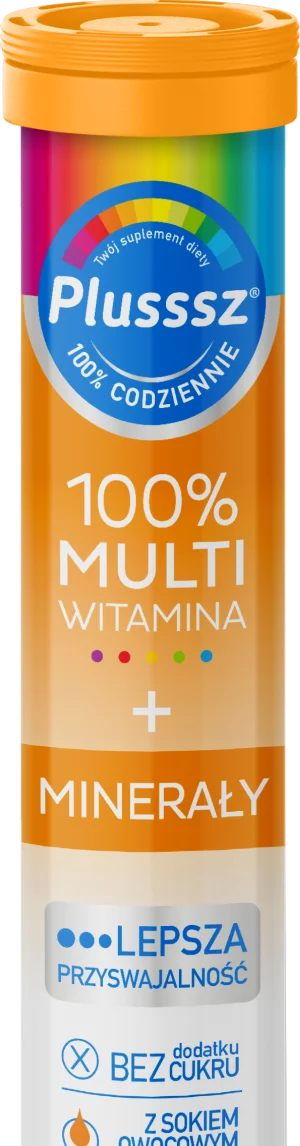
The Plusssz approach to electrolyte formulation specifically targets this trio in a no-added-sugar format, which matters because excess sugar in hydration drinks can impair fat oxidation during lower-intensity sessions, a consideration that matters to endurance athletes in particular. If you are comparing electrolyte options in the UK market, look at whether the formula includes all three minerals at physiologically relevant doses, not just trace amounts added for label appeal.
Understanding which source works best in different situations helps active individuals make smarter decisions rather than defaulting to whatever is most convenient at the time.
Source Type |
Strengths |
Limitations for Sportspeople |
|---|---|---|
Whole food sources (bananas, spinach, nuts, salt) |
Nutrient-dense, includes fibre and co-factors, no additives |
Slow digestion limits intra-session use, difficult to dose precisely, impractical during training |
High-sugar sports drinks (e.g. standard isotonic drinks) |
Fast energy delivery, sodium included, widely available |
High sugar content impairs fat oxidation, low magnesium, not suitable for low-intensity or weight-conscious athletes |
No-added-sugar electrolyte supplements (e.g. Plusssz electrolyte formulas) |
Precise dosing, all three key electrolytes in bioavailable forms, no glycaemic spike, suitable for all session types |
Requires consistent habit, cost is higher than plain water but lower than most branded sports drinks per serving |
Deficiency rarely announces itself clearly. Most athletes attribute the symptoms to overtraining, under-eating, or poor sleep without identifying the specific cause. Here is what to watch for across all three minerals.
Persistent headaches during or after training, unusual fatigue in early stages of a session, nausea without illness, and a feeling of being bloated on water that does not quench thirst are all consistent with low sodium. A common mistake is increasing plain water intake in response, which worsens the imbalance.
Muscle cramps that occur during or after training, heart palpitations during rest, general weakness that does not resolve with a rest day, and constipation are all associated with low potassium. Athletes who crash hard after sessions without obvious reason should check dietary potassium intake before assuming they need more protein.
Difficulty sleeping despite fatigue, twitching or eye tremors, heightened anxiety, and reduced training output despite adequate calorie and protein intake are classic low-magnesium indicators. The data consistently shows that magnesium is the last mineral most people think to replace and the one most likely to be running low in high-training populations.
Supplementation strategy should match training demand. A recreational runner doing two sessions per week has different requirements from a cyclist training eight to ten hours per week. The following framework is based on what works in practice across these different activity levels.
Take a sodium-containing electrolyte drink 30 to 60 minutes before the session. This pre-loads fluid balance and reduces early cardiovascular drift during exercise. Aim for 200mg to 400mg of sodium in this pre-session window. Potassium and magnesium at this stage are less critical but useful if the formula includes them.
For sessions under 45 minutes at moderate intensity, plain water is sufficient for most people. For sessions over 60 minutes, or any high-intensity interval session, a combined sodium and potassium electrolyte is the minimum requirement. Target roughly 500ml of electrolyte fluid per hour of training, adjusted for sweat rate and temperature.
Post-session is the optimal window to replace magnesium, both because muscle repair processes are active and because evening magnesium intake supports sleep. A combined electrolyte product that includes magnesium, or a separate magnesium supplement taken within two hours of finishing training, produces measurable improvements in next-day readiness among athletes who implement it consistently.
Plusssz formulations for active adults are specifically designed to support this three-phase hydration approach, with electrolyte blends that cover all three key minerals without added sugar or unnecessary fillers. If you have been recommended Plusssz by a training partner or friend, this is the framework their recommendation fits into.
Sodium primarily controls fluid retention and prevents hyponatraemia during prolonged exercise. Potassium governs muscle contraction and nerve signalling through the sodium-potassium pump. Magnesium supports over 300 enzymatic processes including energy production and muscle relaxation. All three must be maintained simultaneously for optimal performance. Focusing on any single one while neglecting the others produces incomplete results.
The UK daily recommendation for sodium is approximately 2,400mg, but active individuals training at moderate to high intensity for more than an hour per day may need significantly more to offset sweat losses. Sweat sodium concentration varies between individuals, but a working range for athletes doing daily training is 3,000mg to 4,500mg of total daily sodium, sourced from food and targeted electrolyte supplementation. This should be adjusted based on sweat rate, session duration, and environmental heat.
For low-activity individuals, a diet rich in vegetables, legumes, nuts, and whole grains can meet baseline potassium and magnesium requirements. For athletes training multiple times per week, food alone is an unreliable strategy. Sweat losses, absorption variability, and the precision timing required for intra-session replenishment make a well-formulated supplement a more practical and consistent solution, particularly for potassium during training and magnesium in the recovery window.
You restore fluid balance partially but leave the sodium-potassium pump less efficient, which means muscles still underperform electrically. Cramping risk remains elevated, and without magnesium, energy production and muscle relaxation are still impaired. A sodium-only electrolyte drink addresses the most visible symptom of dehydration but not the full underlying deficit. This is a limitation of some popular single-mineral hydration products in the UK market.
Yes. Excess sodium raises blood pressure and strains kidney function. Excess potassium, known as hyperkalaemia, can disrupt heart rhythm in severe cases. Excess magnesium typically causes loose stools before reaching dangerous levels, which is why it is considered the safest of the three to supplement moderately. For most athletes following product-label dosing on a well-formulated supplement, the risk of over-supplementation is low. The risk of chronic under-supplementation in active individuals is considerably higher and more commonly overlooked.
For hydration and electrolyte replacement, yes, no-added-sugar formulas are equally or more effective because they deliver the minerals without the insulin response. Traditional high-sugar sports drinks were designed partly to provide quick carbohydrate energy. If your goal is pure electrolyte replenishment without the energy load, a no-added-sugar formula is the better choice. If you need both energy and electrolytes in a single product during a long endurance session, a combined carbohydrate and electrolyte product has its place, but it should not be the default for every session.
If you train regularly and have been using electrolytes, we would like to know which of these three minerals you found made the biggest difference to your performance or recovery when you started supplementing it consistently.