Most sports drinks on the UK market contain between 20g and 30g of sugar per serving. For anyone training more than three times a week, that adds up fast, and not in a way that supports performance. The rise of no added sugar electrolytes is not a trend driven by fad diets. It is a direct response to what the research says about sugar and hydration, and what active people actually need when they sweat. If a friend pointed you toward this article, it is likely because they have already made the switch and noticed the difference.
Key Insight |
Explanation |
|---|---|
Sugar is not required for electrolyte absorption |
Sodium, potassium, and magnesium are absorbed efficiently without glucose when formulated correctly in a no added sugar electrolyte product. |
Standard sports drinks can spike and crash energy |
High sugar content causes rapid glycaemic response followed by fatigue, which is counterproductive during sustained training sessions. |
A sugar-free sports drink suits daily hydration, not just sport |
No added sugar electrolytes work for office hydration, recovery days, and commuters just as well as gym sessions. |
Electrolyte ratios matter more than flavour |
Products with the right sodium-to-potassium ratio (roughly 2:1) replicate what the body loses in sweat more accurately than flavour-first formulations. |
Not all sugar-free products are equal |
Some use artificial sweeteners with known gut-irritation effects. Look for products using natural alternatives like stevia or no sweetener at all. |
Magnesium is frequently missing from cheap electrolyte products |
Magnesium supports muscle function and sleep quality. Its absence from many mainstream drinks is a gap that active individuals should address deliberately. |
Healthy hydration supports more than just thirst |
Consistent electrolyte intake improves cognitive focus, reduces cramp frequency, and supports cardiovascular efficiency during training. |
No added sugar electrolytes are hydration formulas containing the essential minerals lost through sweat, primarily sodium, potassium, magnesium, and chloride, without any added sugars or glucose syrups in the ingredient list. They may use natural low-calorie sweeteners for palatability, or in some cases, no sweetener at all.
The distinction matters legally as well as nutritionally. Under UK food labelling law, a product labelled "no added sugar" must not have had any sugar added during manufacture. This is different from "sugar-free", which refers to the total sugar content falling below 0.5g per 100ml. Knowing the difference helps you read labels accurately when comparing products.
In practice, the best formulations include electrolytes in forms that have high bioavailability, meaning the body can actually use them rather than simply excrete them. Magnesium citrate, for example, is better absorbed than magnesium oxide. These formulation details are what separate a well-engineered hydration product from a flavoured salt tablet.
The original rationale for sugar in sports drinks was sound: during prolonged endurance events lasting over 90 minutes, carbohydrates help sustain energy output. The problem is that the sports drink industry applied this logic to every product, for every type of exercise, including 30-minute gym sessions and office workers grabbing a drink from a vending machine.
High-sugar drinks cause a rapid rise in blood glucose. During a short or moderate-intensity workout, this is rarely necessary, and the subsequent insulin response can trigger fatigue before you finish. A common mistake is reaching for a sugary electrolyte drink before a 45-minute strength session, which does nothing for performance and adds empty calories.
According to data reviewed by the British Nutrition Foundation, the average UK adult already exceeds the recommended daily free sugar intake of 30g. Adding a 500ml sports drink with 26g of sugar to a workout routine pushes that figure well beyond the threshold without meaningful benefit for most training contexts.
Repeated exposure to high-sugar, acidic drinks erodes dental enamel over time. This is well-documented in sports dentistry research. Beyond teeth, regular high-sugar hydration habits contribute to insulin resistance risk over years of use, which is the opposite of what a health-conscious active individual is aiming for.
The data consistently shows that for sessions under 75 minutes, hydration and electrolyte replacement can be achieved entirely without added sugar, with no performance compromise. The sugar is there for flavour appeal and cost, not because it serves your training.
Electrolytes regulate fluid balance at the cellular level. When sodium levels drop through sweat loss, the body triggers thirst and can experience reduced power output, cramping, and impaired thermoregulation. Replacing these minerals without adding a sugar load gives the body exactly what it lost without complicating blood glucose management.
Sodium is the primary electrolyte lost in sweat, and it is the one that drives the thirst response. A well-formulated no added sugar electrolyte product will contain between 300mg and 600mg of sodium per serving, depending on sweat intensity. This range is sufficient to prompt fluid retention in tissues and prevent hyponatraemia during longer sessions.
Potassium works alongside sodium in the sodium-potassium pump, the mechanism that controls muscle contraction and nerve signalling. Low potassium during exercise contributes directly to muscle cramps and slower recovery. Most standard sports drinks underdose potassium relative to sodium because potassium has a bitter taste that is harder to mask without sugar.
Pro tip: If you experience calf cramps in the final third of a run or cycling session, the issue is almost always a potassium and magnesium deficit rather than dehydration alone. A no added sugar electrolyte blend addressing all three minerals will resolve this faster than plain water or a sugary drink.
Magnesium is involved in over 300 enzymatic reactions in the body, including muscle relaxation, protein synthesis, and sleep quality. It is consistently underrepresented in mainstream sports drinks. Active individuals are disproportionately deficient in magnesium because exercise increases urinary magnesium excretion. A sugar-free sports drink that includes meaningful magnesium dosage, at least 50mg per serving, provides a recovery benefit that most competitors simply do not offer.
The UK sports hydration market offers several approaches, and not all of them serve active individuals equally. Below is a direct comparison of the main product types available.
Product Type |
Key Characteristics |
Best For |
|---|---|---|
Traditional Sugar-Based Sports Drink (e.g., standard isotonic formats from Science in Sport or High Five) |
Contains 20-30g sugar per serving, designed for endurance events, rapid energy delivery via carbohydrates |
Endurance athletes in events lasting 90+ minutes where carbohydrate fuelling is essential |
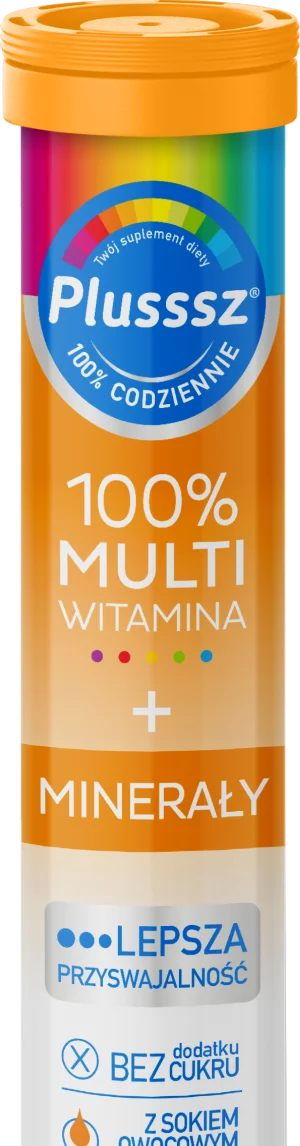
No Added Sugar Electrolyte Formula (e.g., Plusssz UK electrolyte range) |
Zero or minimal sugar, full electrolyte profile including magnesium, designed for daily use and training hydration |
Gym training under 90 minutes, daily healthy hydration, weight-conscious users, and those managing sugar intake |
ORS-Style Oral Rehydration Salts |
Medically formulated, often contains small amounts of glucose to aid sodium absorption, not designed for sport performance |
Illness recovery and severe dehydration, not a daily training supplement |
The honest takeaway from this comparison is that traditional sugar-based drinks serve a specific and narrow use case. The majority of people using them are doing so out of habit or marketing influence, not because they are competing in a three-hour cycling event. For everyday training, a no added sugar electrolyte product is the more rational choice on every metric that matters: calorie load, metabolic response, and daily usability.
Healthy hydration is not just about what you drink during a workout. The pattern of fluid and electrolyte intake across an entire day determines how well the body performs, recovers, and maintains cognitive function. A single serving of electrolytes before a gym session is a start, but the bigger picture involves hydration consistency from waking to sleeping.
"Even mild dehydration of 1-2% of body weight can impair cognitive performance and mood, independent of physical activity." - European Journal of Nutrition, hydration and cognitive function research summary
Morning hydration is particularly important. After six to eight hours of sleep without fluid intake, the body wakes in a mild deficit. Starting the day with water and a no added sugar electrolyte supplement replenishes overnight losses without triggering a sugar spike before breakfast. This habit is especially useful for active individuals who train early.
Pro tip: Mix your no added sugar electrolytes into 400ml of room temperature water first thing in the morning before coffee. Caffeine is a mild diuretic, and going into your first cup of the day already electrolyte-replenished reduces the net fluid deficit that morning coffee creates.
The short answer is that almost every active individual benefits. But there are specific groups for whom switching to a sugar-free sports drink is particularly impactful.
Strength training sessions under 90 minutes do not deplete glycogen stores to a level that requires carbohydrate replacement during exercise. Adding 25g of sugar via a sports drink during a weight session serves no physiological purpose and actively works against body composition goals for anyone in a caloric deficit.
Hormonal fluctuations across the menstrual cycle affect electrolyte requirements, particularly sodium and magnesium. Research indicates that progesterone increases sodium excretion in the luteal phase, meaning women may need higher electrolyte intake at specific points in their cycle. A no added sugar electrolyte formula allows for increased serving frequency without adding sugar load.
The thirst mechanism becomes less reliable with age. Older active individuals are at higher risk of dehydration without feeling thirsty. A regular no added sugar electrolyte supplement supports consistent fluid regulation without the metabolic drawbacks of sugar, which is relevant for anyone managing blood glucose through diet.
Public Health England data shows that UK adults consume an average of 58g of free sugars per day, nearly double the 30g maximum recommendation. For someone actively reducing that figure, switching hydration to a no added sugar electrolyte product is one of the simplest and highest-impact single changes they can make.
Reading an electrolyte product label accurately takes about 90 seconds and tells you almost everything you need to know about whether the product is worth using. Here is what to check, in order of importance.
First, confirm the sodium content per serving. Anything below 200mg is too low to have a meaningful hydration effect. A quality no added sugar electrolyte will sit between 300mg and 600mg of sodium per serving. Second, check for potassium. It should be present at a meaningful dose, at least 150mg per serving, not as a token inclusion at 10mg. Third, look for magnesium and confirm the form. Magnesium citrate or magnesium malate are preferable to magnesium oxide, which has poor absorption rates.
On the sweetener side, check whether the product uses sucralose or acesulfame K, both of which have been associated with gut microbiome disruption at regular doses. Products using stevia or no sweetener avoid this issue entirely. Finally, look at the overall ingredient list length. Shorter is usually better. If the list runs to 20 ingredients for what should be a simple mineral drink, the formulator is prioritising shelf appeal over function.
In practice, the products that perform best for active individuals are the ones with transparent labelling, clear mineral dosages, and no proprietary blends that obscure how much of each electrolyte you are actually getting per serving.
Yes. Electrolyte absorption does not depend on glucose for sessions under 90 minutes. Sodium absorption in the small intestine uses sodium-glucose co-transporters, but the body has multiple absorption pathways. A well-formulated no added sugar electrolyte product delivers effective mineral replacement without requiring glucose in the drink itself.
Absolutely, and this is one of the strongest arguments for choosing no added sugar formulas. Regular daily use adds no sugar burden, meaning you can hydrate with electrolytes before work, during exercise, and in the evening without any dietary trade-offs. Traditional sugary drinks are not suitable for everyday multiple-serving use.
Yes, particularly for rehydration and muscle cramp prevention. However, post-workout recovery for muscle repair also requires protein and carbohydrates from food. The electrolyte product handles fluid and mineral rebalancing. Treat them as complementary to your post-workout nutrition, not a replacement for it.
This is an underappreciated area. During the luteal phase, progesterone increases sodium and water excretion, so electrolyte needs are higher. Some women find that increasing their no added sugar electrolyte intake by 50% during the week before menstruation reduces bloating, fatigue, and cramping. Because there is no sugar involved, increasing serving frequency carries no caloric cost.
The key differentiators are the no added sugar commitment across the range, the inclusion of magnesium at meaningful doses, and the formulations built around specific demographics including active women, men, and seniors. Many competitors use a one-size-fits-all formula that ignores the physiological differences between training populations. Plusssz addresses those differences directly in the product design.
Electrolyte absorption begins within 15 to 30 minutes of consumption when the stomach is not overly full. Sodium absorption starts almost immediately in the upper small intestine. You will not feel a dramatic sensation, but plasma electrolyte levels begin normalising within half an hour, which is why pre-session hydration is more effective than waiting until you are already thirsty during training.
If you have made the switch from sugary sports drinks to no added sugar electrolytes, we want to hear what difference you noticed in your training and recovery - share your experience in the comments or pass this along to whoever got you started on the topic.