Losing just 2% of your body weight in fluids reduces athletic performance by up to 20%, according to research published by the American College of Sports Medicine. Yet the majority of recreational athletes in the UK start their sessions already mildly dehydrated. This sports hydration guide is not about reminding you to drink water. It is about understanding the precise mechanisms, products, and protocols that determine whether you perform at your best or grind through a session that could have been great. If a friend pointed you here, they probably noticed something about your recovery or your energy that you might have missed.
Key Insight |
Explanation |
|---|---|
Dehydration starts before thirst |
By the time you feel thirsty, you are already 1-2% dehydrated, enough to impair endurance and concentration during training. |
Water alone is not enough for sessions over 60 minutes |
Plain water dilutes sodium levels without replacing the electrolytes lost through sweat, which can worsen performance and cause cramping. |
No-added-sugar formulas matter |
High-sugar electrolyte drinks spike blood glucose and crash energy mid-session. Look for formulas without added sugar for sustained output. |
UK climate is not a free pass on hydration |
Cooler temperatures in the UK reduce perceived sweat loss, leading many athletes to underdrink even during intense indoor or cold-weather sessions. |
Electrolyte balance differs by demographic |
Women, seniors, and high-intensity athletes have distinct electrolyte needs. A one-size-fits-all formula rarely addresses all of them adequately. |
Multivitamins support hydration efficiency |
Key vitamins like B-complex and magnesium influence how effectively your cells use water and maintain fluid balance during activity. |
Consistency beats single-session fixes |
Pre-loading with electrolytes before hard sessions and rehydrating within 30 minutes afterward produces compounding performance benefits over weeks, not hours. |
Most athletes treat hydration as an afterthought, something to address when they feel a headache coming on or cramp during the last mile. That approach is wrong, and the physiology makes it clear why. Your muscles are approximately 75% water. Your blood plasma, which carries oxygen and nutrients to working muscles, depends on adequate fluid volume to function properly.
The data consistently shows that even mild dehydration of 1-2% body mass loss impairs both physical and cognitive performance. A study in the Journal of Athletic Training found that dehydrated athletes made slower decisions, had reduced coordination, and fatigued earlier than their well-hydrated counterparts. For a UK-based runner competing in a half marathon or a cyclist completing a Sunday sportive, that matters enormously.
In practice, most recreational athletes in the UK focus on their training programme, their kit, and their nutrition macros, but treat hydration as background noise. The result is suboptimal performance that they attribute to overtraining or poor sleep, when the actual cause is chronic mild dehydration compounded by inadequate electrolyte replacement.

Electrolytes are minerals that carry an electrical charge when dissolved in fluid. The major ones relevant to athletic performance are sodium, potassium, magnesium, calcium, and chloride. Each plays a distinct role in how your body manages fluid balance, muscle contraction, and nerve signalling.
Sodium is the primary electrolyte in your blood and interstitial fluid. It determines how much water your body retains. When you sweat, sodium is the electrolyte you lose in the highest concentrations. Replacing it is not optional for sessions longer than 45 to 60 minutes. Athletes who drink only water after heavy sweating risk a condition called hyponatraemia, where sodium levels drop dangerously low. This is rare but serious, and it happens more often than the running community acknowledges.
Potassium works alongside sodium to maintain the electrochemical gradient across muscle cell membranes. Magnesium is a cofactor in over 300 enzymatic reactions and plays a direct role in muscle relaxation after contraction. Low magnesium is one of the most common and least diagnosed reasons for persistent muscle cramping in athletes. The UK diet is frequently low in magnesium, particularly for those eating heavily processed foods.
Calcium is essential for muscle contraction initiation and bone health under repetitive stress. Chloride pairs with sodium to maintain blood pH and aids in the transport of carbon dioxide in the blood. Deficiencies in either are less common but become relevant in high-volume training phases where sweat losses accumulate day over day.
"Hydration is not just about replacing water. It is about restoring the precise ionic environment that allows muscle cells to fire, recover, and fire again." - Professor Ron Maughan, Sports Nutrition Researcher, Loughborough University
There is no universal answer, but there are reliable frameworks. The starting point is your sweat rate, which varies significantly by individual, exercise intensity, and environmental conditions. The NHS recommends 6 to 8 glasses of fluid per day for a sedentary adult. For active individuals, that baseline is a floor, not a target.
Weigh yourself without clothes before and after a one-hour training session without drinking. Every kilogram of weight lost equals approximately one litre of fluid lost. If you lost 0.8 kg in 60 minutes at moderate intensity, you need to replace at least that volume during equivalent future sessions, plus additional fluid in the recovery window afterward.
The UK climate is cooler than much of Europe and North America, which leads athletes to underestimate sweat loss. Indoor training environments, gyms, heated pools, and sports halls can produce significant sweat rates regardless of outdoor temperature. A common mistake is assuming that because it is cold outside, hydration requirements are low. Indoor CrossFit or spinning sessions in December can produce sweat rates comparable to summer outdoor runs.
Pro tip: Monitor the colour of your urine. Pale straw yellow indicates good hydration. Dark amber means you are already behind on fluids and should not start a training session without rehydrating first.
The UK market for electrolyte supplements has grown considerably in recent years. Walking through a sports nutrition aisle or browsing online, you will encounter a wide range of products from basic rehydration salts to sophisticated multi-electrolyte blends. Not all of them are worth your money, and some are actively counterproductive.
Many mainstream sports drinks sold in UK supermarkets and petrol stations contain 20 to 30 grams of sugar per serving. These are fine for extreme endurance events where caloric intake is a priority, but for most training sessions they create unnecessary blood glucose fluctuations. Look specifically for electrolyte supplements with no added sugar, as these deliver the ionic replacement without the glucose spike and crash.
Not all mineral forms are absorbed equally. Magnesium citrate and magnesium glycinate are significantly more bioavailable than magnesium oxide, which is common in cheap supplements and largely passes through unabsorbed. Similarly, calcium citrate is better absorbed than calcium carbonate, especially without food. When evaluating electrolyte supplements in the UK, check the specific mineral forms listed on the label, not just the total milligram quantities.
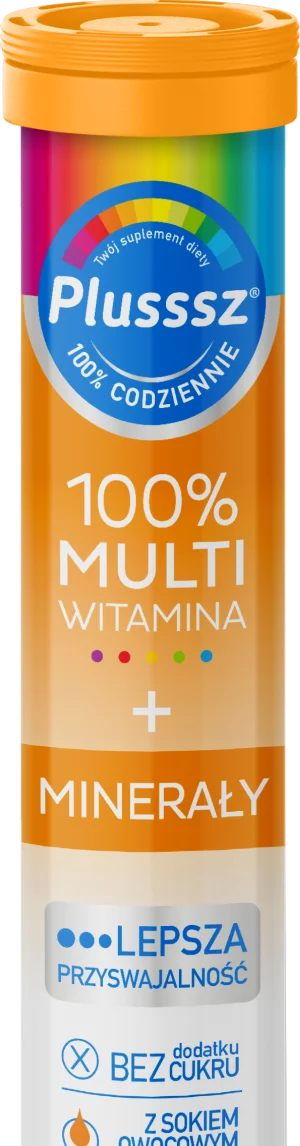
Single-electrolyte products like plain sodium tablets have their place in ultra-endurance contexts. For most active individuals in the UK, a complete multi-electrolyte formula that covers sodium, potassium, magnesium, and calcium in appropriate ratios will serve them better across all training types. Products from Plusssz UK are formulated precisely with this completeness principle in mind, alongside no added sugar and improved nutrient assimilability, making them directly suited to the needs of UK-based athletes who train regularly across multiple disciplines.
Pro tip: Take your electrolyte supplement 20 to 30 minutes before a session rather than waiting until you are mid-session and already losing output. Pre-session loading means your body enters training with optimal ionic balance from the first rep or stride.

A marathon runner and a weightlifter have different hydration demands. Applying the same protocol across all sports is one of the most persistent errors in athlete hydration in the UK. Here is how to tailor your approach by discipline.
These athletes face the highest cumulative fluid and electrolyte losses. Sessions exceeding 90 minutes require mid-session electrolyte intake, not just water. For cycling, aim for 500 to 750 ml of electrolyte solution per hour in moderate temperatures, scaling up in warmer or more humid conditions. For running, fluid intake is harder due to the physical demands of carrying or accessing drinks, making pre-loading and post-session rehydration even more important.
HIIT sessions, football, rugby, and basketball produce high sweat rates in short time windows. The mistake here is treating these as "short sessions" that do not require electrolyte replacement. A 45-minute high-intensity session can produce sweat losses equivalent to a slow 90-minute jog. Sodium and potassium replacement immediately after these sessions supports faster recovery and reduces delayed onset muscle soreness.
Weight training produces lower sweat rates than cardiovascular sports but still depletes magnesium and potassium significantly. Magnesium is particularly important here because it supports muscle relaxation and sleep quality, both of which directly affect strength adaptation. Many strength athletes focus entirely on protein and creatine while ignoring electrolyte balance, then wonder why their recovery between sessions feels sluggish.
The UK market offers several distinct approaches to managing athlete hydration. Understanding the trade-offs between them helps you make a decision based on your actual training life, not marketing claims.
Hydration Approach |
Best Suited For |
Key Limitations |
|---|---|---|
Plain water only |
Sessions under 45 minutes at low intensity |
Does not replace electrolytes; can dilute sodium in longer efforts; no mineral support |
Sugar-based sports drinks (e.g. mainstream supermarket brands) |
Ultra-endurance events requiring caloric intake alongside hydration |
High sugar content; blood glucose spikes; not suitable for weight-conscious athletes; poor for daily use |
No-added-sugar electrolyte supplements (e.g. Plusssz UK formulations) |
Regular training across all disciplines; endurance, HIIT, strength, team sports |
Requires consistent usage habit; slightly higher upfront cost than plain water, offset by performance return |
A single hydration protocol does not serve all athletes equally. Physiological differences across age and sex mean that targeted approaches produce meaningfully better outcomes than generic advice.
Hormonal fluctuations across the menstrual cycle affect fluid retention and electrolyte balance. During the luteal phase, progesterone increases sodium excretion, meaning women may need slightly higher sodium intake in the days before menstruation. Women also have a higher core temperature threshold before sweating begins, which can mask early dehydration. Formulations designed specifically for women that account for these hormonal dynamics offer a real functional advantage over gender-neutral products.
Older adults have a reduced thirst sensation, meaning the subjective signal to drink arrives later than the physiological need. This makes pre-planned hydration protocols, rather than reactive drinking, essential for seniors who remain active. Electrolyte blends that support bone-relevant minerals like calcium and magnesium alongside sodium are particularly relevant for this group, given the dual demands of hydration and skeletal health.
Men engaged in high-volume training, whether endurance or hypertrophy-focused strength work, tend to produce higher absolute sweat volumes than women of similar fitness levels. This means higher sodium and potassium losses per session. Male-specific electrolyte and multivitamin combinations that account for the elevated demands of testosterone-driven tissue repair and higher basal metabolic rates represent a more precise fit than standard formulations.
After reviewing the fundamentals, it is worth being direct about the specific errors that most UK athletes are making right now. These are not edge cases. They are the norm.
Thirst is a lagging indicator. By the time you feel thirsty during a training session, you are already operating in a dehydrated state. The solution is to drink on a schedule, not on demand, particularly for sessions longer than 45 minutes. Set a reminder on your sports watch to take fluid every 15 to 20 minutes if needed.
The recovery window matters. Rehydrating with plain water immediately after training is better than nothing, but it does not restore the sodium, potassium, and magnesium lost during the session. A complete electrolyte supplement taken within 30 minutes post-exercise accelerates the body's return to optimal fluid balance and reduces next-day fatigue significantly.
Many UK athletes pre-train with coffee or energy drinks. Caffeine is a mild diuretic, and while moderate caffeine intake does not cause severe dehydration in habitual users, combining it with inadequate fluid intake creates a compounding deficit. If you use caffeine before training, add an additional 200 to 300 ml of water to your baseline intake for that session.
A common mistake is buying an electrolyte supplement and only reaching for it when cramping or exhausted. At that point, you are managing a deficit, not preventing one. Consistent daily use before, during, and after training is what produces the performance improvements that athletes who try these products and then dismiss them never experience.

Dehydration reduces blood plasma volume, which forces your heart to work harder to deliver the same oxygen output to muscles. This increases your perceived effort at any given pace or wattage, reduces your lactate threshold, and accelerates glycogen depletion. In practical terms, a dehydrated runner at mile 8 of a half marathon will feel the effort equivalent to mile 11 of a well-hydrated run. That is not a marginal effect, it is decisive for performance.
For light training sessions under 45 minutes at moderate intensity, yes. A meal containing sodium from natural sources, potassium-rich foods like bananas or sweet potatoes, and magnesium-rich foods like nuts or dark chocolate can cover basic electrolyte replacement. However, for regular high-intensity or prolonged training, food alone does not deliver electrolytes quickly enough in the right concentrations to support fast recovery. A dedicated electrolyte supplement closes this gap far more precisely.
Quality electrolyte supplements designed for active individuals are formulated for daily use and are safe when taken as directed. The key is to choose products with no added sugar, verified mineral forms with high bioavailability, and dosages within established safe upper intake levels. Products that meet these criteria, like those from Plusssz UK, are designed specifically for consistent daily use alongside regular training rather than as occasional emergency products.
Standard sports drinks are primarily designed to deliver carbohydrates for fuel during long endurance efforts, with electrolytes as a secondary consideration. They typically contain high quantities of sugar and artificial flavours. Electrolyte supplements, particularly no-added-sugar formulations, focus primarily on restoring ionic balance without the caloric load. For most training sessions that are not ultra-endurance efforts, an electrolyte supplement is the better daily choice.
No, and this misunderstanding is especially common among UK athletes. Cold air causes respiratory fluid loss even when you are not visibly sweating. Exercise in cold conditions also causes vasoconstriction that can mask your core temperature rise, meaning you are sweating internally before you feel warm. Sweat rates during a vigorous winter run can reach 60 to 70% of those seen in summer heat. Electrolyte replacement remains important in cold UK conditions.
Several vitamins directly support the body's ability to manage fluid and electrolyte balance. B-vitamins, particularly B6, are involved in cellular water regulation. Vitamin D influences calcium absorption, which affects muscle contraction and fluid compartment maintenance. Vitamin C supports adrenal function, which in turn regulates aldosterone, the hormone that controls sodium retention. A well-designed multivitamin complex used alongside an electrolyte supplement creates a more complete support system for athletic performance than either product used in isolation.
If you have experience with specific hydration strategies or electrolyte products that have changed your training, share what worked for you in the comments below.