Most people over 50 who train regularly are chronically under-hydrated and don't know it. Research from the British Nutrition Foundation shows that older adults experience a reduced thirst response, meaning the sensation of thirst arrives late, often after dehydration has already affected performance and cognitive function. For active adults, this is not a minor inconvenience. It affects muscle recovery, joint lubrication, and even how well vitamins absorb. Electrolytes for seniors UK is a growing search category precisely because this group is finally getting the specialist attention it deserves, and generic sports hydration products are not cutting it.
| Key Insight | Explanation |
|---|---|
| Thirst signals become unreliable after 50 | Older adults lose up to 40% of kidney concentration ability, meaning dehydration sets in before thirst is felt. Scheduled fluid intake matters more than drinking to thirst. |
| Sodium and potassium are the two most important electrolytes for seniors | These regulate fluid balance, muscle contraction, and nerve signalling. Both are commonly depleted through sweat and are under-consumed in typical UK diets after 50. |
| Vitamin D3 and B12 absorption declines significantly with age | Gastric acid production drops after 50, reducing intrinsic factor and therefore B12 uptake. Vitamin D synthesis through skin also decreases, making supplementation essential in the UK climate. |
| No-added-sugar formulas matter more for older adults | Blood glucose regulation becomes less efficient with age. Electrolyte drinks with high sugar content can cause spikes and crashes that undermine performance and recovery. |
| Magnesium supports sleep quality and reduces cramping | Many UK adults over 50 are deficient in magnesium. Supplementing it improves deep sleep, which is when the majority of muscle repair occurs. |
| Hydration affects vitamin absorption directly | Water-soluble vitamins like B-complex and vitamin C require adequate hydration to circulate effectively. Dehydration creates a bottleneck that makes even high-quality multivitamins less effective. |
| Timing electrolyte intake around exercise is more effective than random dosing | Taking electrolytes 20 to 30 minutes before activity and within 45 minutes after exercise produces measurably better hydration retention and faster recovery in adults over 50. |

The human body is roughly 60% water in young adulthood. By age 70, that figure drops to around 50% due to a reduction in muscle mass, which holds more water than fat tissue. This is not simply an aesthetic change. It has real consequences for how the body manages heat, transports nutrients, and flushes waste products during and after physical activity.
The kidneys become less efficient at concentrating urine as we age, which means more water is lost passively throughout the day. Combined with the blunted thirst response mentioned earlier, this creates a situation where many active adults over 50 are operating at a hydration deficit before their workout even begins.
Hydration for older adults is not the same problem as hydration for a 25-year-old athlete. The physiology is different. The solutions need to be different too. Plain water alone is often not enough, because without adequate electrolytes, the fluid consumed is not retained at the cellular level where it is actually needed.
After 50, adults can lose between 1% and 2% of muscle mass per year without resistance training. Muscle is metabolically active and retains intracellular fluid. Less muscle means less total body water storage, which amplifies the impact of even mild dehydration during exercise.
This is why hydration support designed specifically for older adults, such as the Plusssz Electrolytes SENIOR formula, prioritises electrolyte balance rather than just fluid volume. It accounts for the reduced buffering capacity of an older physiology.
Electrolytes are minerals that carry an electrical charge when dissolved in fluid. The four that matter most for active adults over 50 are sodium, potassium, magnesium, and calcium. Each plays a specific role that becomes more critical as the body's regulatory systems become less precise with age.
Sodium is the primary electrolyte in extracellular fluid and governs how much water the body retains. Potassium is its intracellular counterpart and is essential for normal heart rhythm and muscle contraction. Magnesium acts as a cofactor in over 300 enzymatic reactions, including those involved in protein synthesis and energy production. Calcium, beyond its role in bone density, is the trigger for muscle fibre activation.
Products designed for elite endurance athletes, including several popular UK competitors, are formulated around the physiology of people aged 20 to 35 exercising at high intensity for extended durations. They often contain high sugar concentrations to fuel rapid energy demands. For an adult over 50 doing regular gym sessions, cycling, swimming, or walking, this formulation is mismatched.
A common mistake is assuming that any electrolyte drink will serve the same purpose. In practice, older adults need a formulation that delivers meaningful electrolyte doses without the sugar load, and ideally includes magnesium and zinc alongside the standard sodium and potassium. The absence of added sugar is not a marketing point. It is a physiological requirement for this demographic.
Pro tip: Check the sodium content of your electrolyte drink. For active adults over 50, a range of 300 to 600mg of sodium per serving is appropriate for moderate exercise. Anything below 100mg is effectively flavoured water.
Not all vitamins are equally important at every life stage. For active adults over 50 in the UK, a small number of nutrients are consistently under-supplied through diet alone and have a disproportionate impact on performance, recovery, and general health.
Vitamin D3 is the clearest case. The UK receives insufficient sunlight for adequate skin synthesis for roughly six months of the year, and the NHS advises supplementation for all adults from October to March. For adults over 50, the conversion of sun exposure to active vitamin D is already less efficient, meaning year-round supplementation is often warranted. Vitamin D3 directly supports muscle function, immune response, and calcium absorption.
Vitamin B12 absorption depends on a protein called intrinsic factor, produced by the stomach lining. After 50, gastric acid production declines in many adults, reducing intrinsic factor availability. Studies estimate that up to 20% of adults over 60 have some degree of B12 deficiency, many of them without obvious symptoms until neurological or fatigue-related problems emerge.
Vitamins for active seniors need to account for this bioavailability issue. Methylcobalamin forms of B12 are more readily absorbed than cyanocobalamin, particularly for those with reduced gastric acid. This distinction matters in how supplements are formulated.
Intense physical activity temporarily suppresses immune function. Zinc plays a direct role in immune cell production and inflammatory regulation. Older adults tend to have lower dietary zinc intake and reduced absorption efficiency, making it a priority nutrient for anyone training regularly past 50.
"Micronutrient deficiencies in older adults are often subclinical, meaning they do not produce obvious symptoms but consistently impair physical performance, immune response, and cognitive function over time." - British Nutrition Foundation, Nutrition and Ageing Report
There are broadly three approaches active adults over 50 take to hydration and electrolyte management. Each has a different profile of effectiveness, practicality, and cost. The comparison below reflects what the data actually shows rather than what manufacturers prefer to claim.

| Approach | Strengths | Weaknesses for Adults Over 50 |
|---|---|---|
| Plain water plus a balanced diet | Low cost, no supplementation required, works well for sedentary individuals | Insufficient electrolyte replacement after moderate to intense exercise, blunted thirst signal means intake is often too low, does not address B12 or D3 shortfalls |
| Generic sports electrolyte drinks (e.g., mainstream high-street brands) | Convenient, widely available, delivers electrolytes quickly | Often high in sugar or sweeteners, formulated for younger athletes, may contain inadequate magnesium, not designed for the specific absorption challenges of older physiology |
| Age-specific electrolyte formula such as Plusssz Electrolytes SENIOR combined with a targeted multivitamin | Formulated for reduced thirst response and lower sugar tolerance, includes magnesium and zinc, no added sugar, pairs hydration with nutrient support for whole-body recovery | Requires consistent daily use to see full benefit, slightly higher upfront cost than generic options |
The data consistently shows that matched formulations outperform generic alternatives when the target population has specific physiological characteristics. Adults over 50 are not a niche edge case. They represent one of the fastest-growing segments of active gym and outdoor sport participants in the UK, and they deserve products built for their actual biology.
The most common error with electrolyte supplementation is treating it as an emergency measure rather than a daily habit. Waiting until you feel tired, cramped, or thirsty means you are already behind. For active adults over 50, building electrolyte intake into a structured daily routine produces consistently better outcomes than reactive dosing.
Plusssz Electrolytes SENIOR is designed to work as part of a broader nutritional approach. It delivers sodium, potassium, magnesium, and calcium in proportions calibrated for moderate to regular physical activity in older adults, without the sugar content that undermines blood glucose stability.
On training days, take one serving approximately 20 to 30 minutes before activity with 500ml of water. Take a second serving within 45 minutes of completing exercise. On rest days, one serving in the morning supports baseline electrolyte levels without over-supplementing.
Combining this routine with a senior-specific multivitamin addresses the full spectrum of nutritional gaps that exercise creates in older adults. The hydration formula supports the physical performance and recovery side, while the multivitamin covers the micronutrient side, particularly D3, B12, and zinc.
Pro tip: If you are new to electrolyte supplementation, introduce it gradually over the first week rather than starting at full dose immediately. This allows your digestive system to adjust, particularly if you have been relying on plain water as your only hydration strategy.
A common mistake is assuming that drinking plenty of tea or coffee counts as adequate fluid intake. Both caffeine-containing beverages have a mild diuretic effect and contribute to electrolyte loss rather than replenishment. For habitual tea drinkers in the UK, which is most of the population, this can create a net hydration deficit over the course of a day.
Another frequent error is drinking large volumes of water in a short period before exercise, rather than maintaining consistent hydration throughout the day. This approach dilutes blood sodium, which can impair muscle function and, in extreme cases, cause hyponatremia. The fix is simple: drink 200 to 250ml of fluid every hour during waking hours, not just around exercise.
Bananas for potassium and salty snacks for sodium are often cited as the dietary approach to electrolyte management. In practice, the quantities needed to match what is lost during a 45-minute moderate-intensity workout are impractical through food alone. A single workout in warm conditions can result in losses of 1 to 2 grams of sodium, which would require eating quantities of food that conflict with training goals.
This is where a well-formulated electrolyte drink earns its place in a senior athlete's routine. It delivers specific, measured electrolyte doses efficiently, without the caloric load or digestive burden of relying on food sources alone.
A practical supplement routine for active adults over 50 does not need to be complex. Complexity reduces compliance, and consistency matters far more than the sophistication of the stack. Three components cover the vast majority of needs for this demographic: a senior-specific electrolyte formula, a targeted multivitamin, and consistent hydration habits.
Morning is the best time for multivitamins, as fat-soluble vitamins including D3 absorb better with food. Electrolytes should be timed around activity as described above. Magnesium, if taken separately or as part of an evening supplement, supports sleep quality and overnight muscle recovery, which is when adaptation to training actually occurs.
When evaluating any electrolyte or multivitamin product for use over 50, check for: no added sugar or low sugar content, meaningful doses of magnesium (at least 100mg per serving), B12 in methylcobalamin form, D3 rather than D2, and zinc inclusion. Products that do not show these on the label are unlikely to deliver the specific benefits this age group needs.
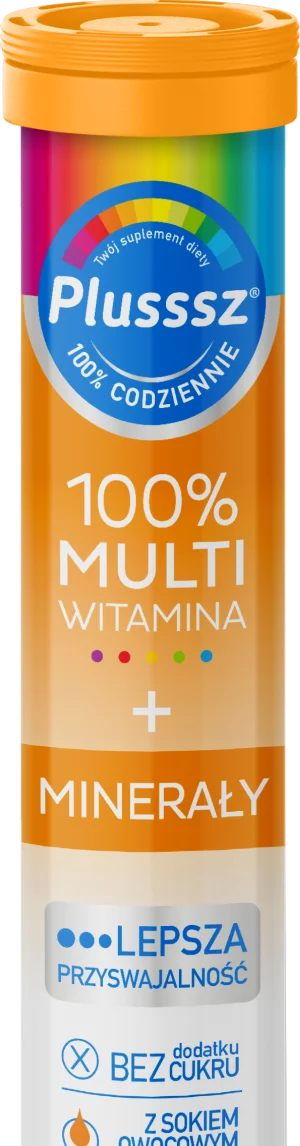
Plusssz positions its senior-specific formulas around exactly these criteria, which is why comparing it directly against generic hydration brands reveals clear formulation differences rather than minor ingredient variations. The difference is not marketing. It is chemistry and dosing.
The general recommendation is 1.5 to 2 litres of fluid per day for sedentary adults, but active adults over 50 should aim for 2 to 2.5 litres on training days, accounting for fluid lost through sweat. This total should include electrolyte-containing fluids on days when exercise exceeds 30 minutes, not just plain water.
This depends on the sodium content of the product and the individual's clinical situation. Adults managing hypertension should consult their GP before using sodium-containing electrolyte supplements. Low-sodium or balanced electrolyte formulas may be more appropriate in that context. Plusssz Electrolytes SENIOR uses a moderate sodium profile suitable for most healthy active adults, but individual medical advice always takes priority.
Yes. Daily use on rest days at a single serving helps maintain baseline electrolyte levels, which supports kidney function, prevents subclinical dehydration, and ensures you start each training session from an adequate hydration baseline. There is no benefit to restricting electrolyte supplementation to exercise days only.
Senior-specific electrolyte formulas differ in two key ways. First, they typically omit or minimise added sugars, reflecting the reduced blood glucose tolerance of older adults. Second, they include a broader mineral profile, particularly magnesium and zinc, which are commonly deficient in this age group and play important roles in recovery, sleep, and immune function that standard sports drinks do not prioritise.
Electrolytes and multivitamins serve different functions. Electrolytes replace minerals lost through sweat and regulate fluid balance. Multivitamins address the broader spectrum of micronutrient needs including B vitamins, vitamin D, vitamin C, and trace minerals. For active adults over 50, both are typically needed because exercise increases demand across all these categories simultaneously.
The UK's latitude means that UVB radiation sufficient for skin synthesis of vitamin D is only available from approximately April to September, and even then, skin efficiency at producing vitamin D declines with age. The NHS recommends supplementation for all adults from October to March, and many senior health specialists recommend year-round supplementation for those over 60, particularly those who are active indoors or live in northern England and Scotland.
We would love to hear how you are managing hydration and nutrition in your training routine as an active adult over 50 - share your experience or questions below so the community can benefit from your insight.